
Jeong: The Quiet Warmth of South Korea
When my brothers and I were little, we used to knock on the door of the elderly couple who lived upstairs whenever we got hungry. They weren’t our grandparents. They weren’t even relatives. But because we lived downstairs, they treated us like family. The moment they opened the door, they would welcome us in with the kind of warmth that made the whole building feel like one home.
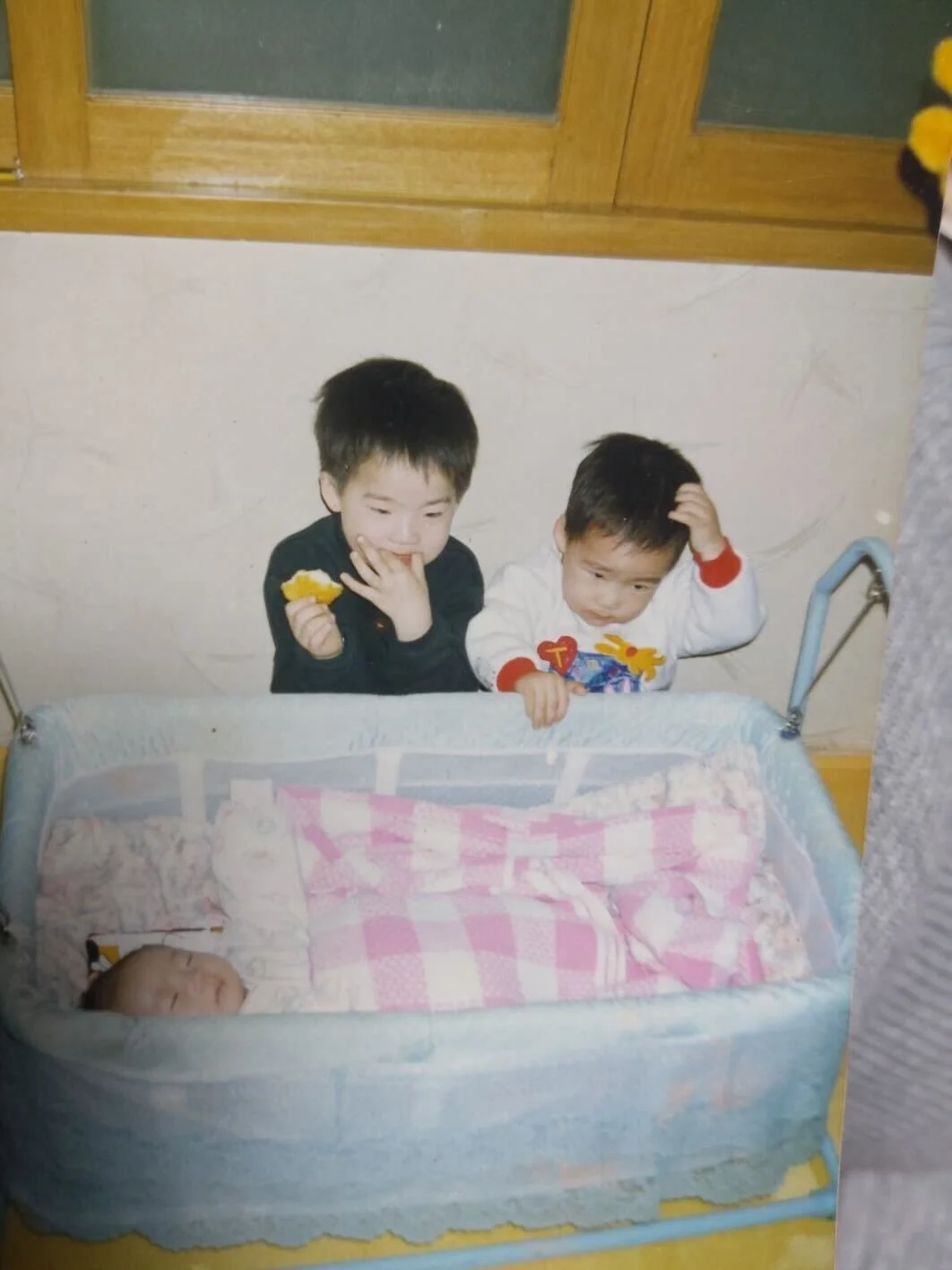
“Oh, our kids are here. You must be hungry. Come in and eat first.”
Looking back, it wasn’t only them. I grew up being raised, in small ways, by the whole neighborhood. We shared food. We checked in on each other. We spent weekends with the family next door as if we were cousins, packing lunchboxes and going out together. In Korea, there’s even a word for this kind of closeness: iut sachon 이웃 사촌, which means something like “neighbors closer than relatives.” At the center of that feeling is a word that is famously difficult to translate ‘jeong, 정’.
What is jeong?
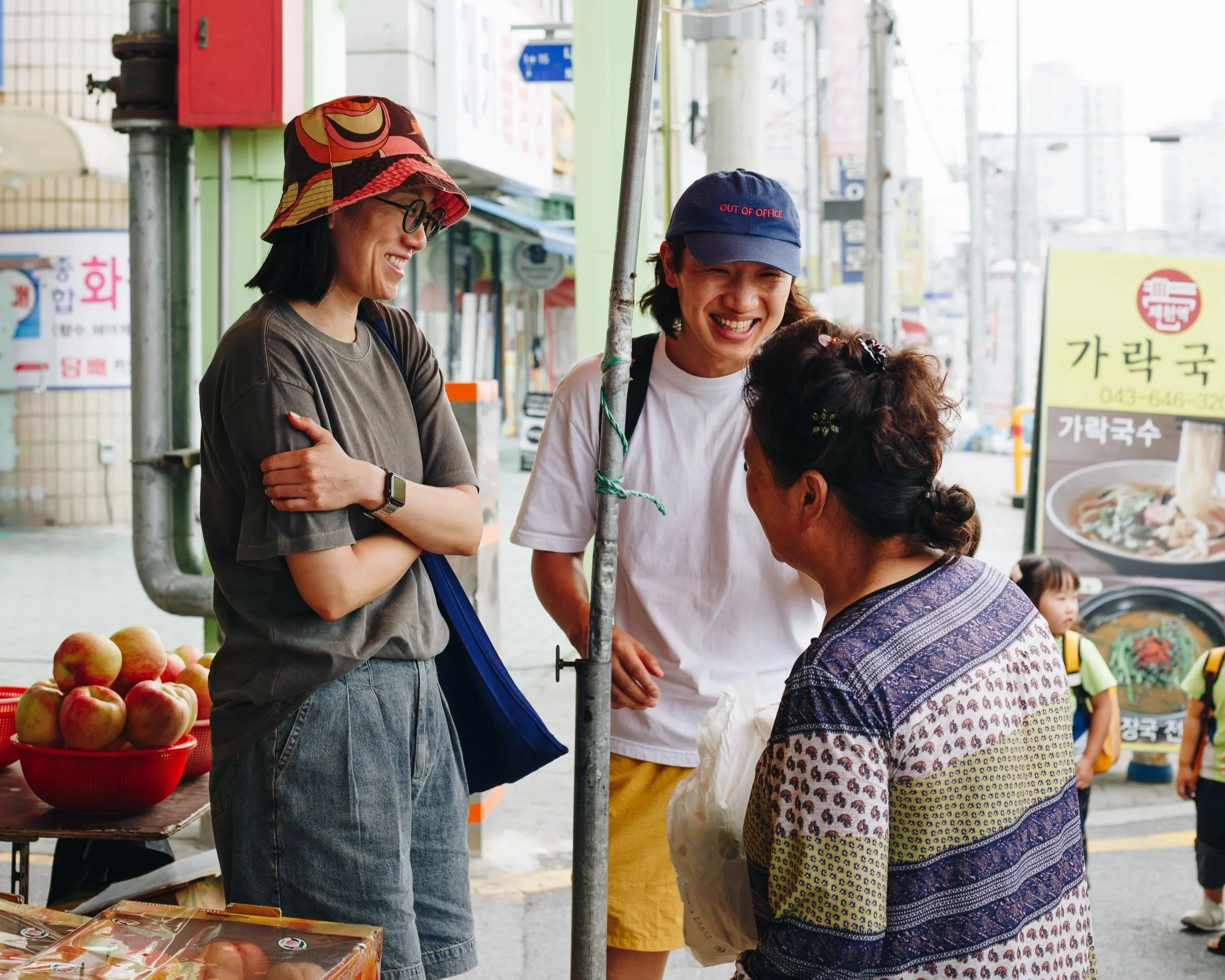
The easiest way to explain jeong is this:
it is the warmth that builds between people over time.
It can look like affection, care, attachment, or quiet loyalty. But it is more than any single one of those things. Jeong is what grows when people share life closely—through repeated acts of care, ordinary routines, meals, worries, and time. It is less about one grand gesture and more about the slow bond that forms between people who keep showing up for one another.
That is why jeong can be hard to define neatly. It is not exactly friendship, and not exactly love. It can exist between family members, old friends, neighbors, teachers and students, regular customers and shop owners, or even people who have only just met but instinctively begin taking care of one another. In Korea, you often feel jeong before you fully understand the word.
More than a neighborhood feeling
And jeong doesn’t stay inside the home or the neighborhood.
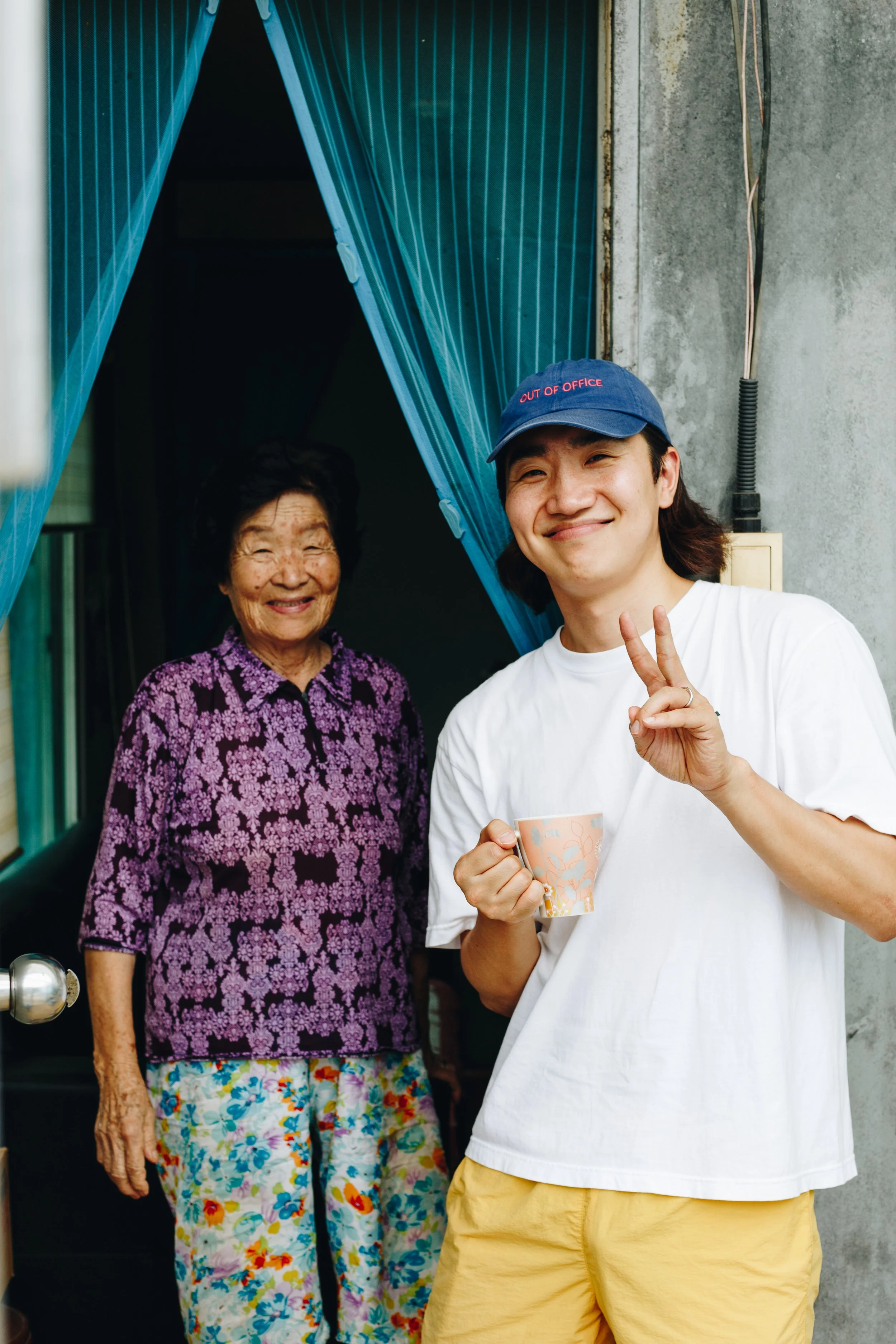
You can feel it in markets, where vendors speak to you with surprising warmth. You can feel it in small restaurants, when someone quietly brings you an extra side dish and tells you to eat more. You can feel it when you ask for directions while traveling and the conversation suddenly becomes, “Have you eaten yet? Are you warm enough?”.
To some visitors, this can feel unusual at first. In many places, kindness comes with a little distance. In Korea, warmth often steps a little closer. That is one of the reasons travel here can feel so memorable. Sometimes, what stays with you is not just where you went, but how you were received.
A recent reminder on Saryang Island
I felt the Jeong again just last week.
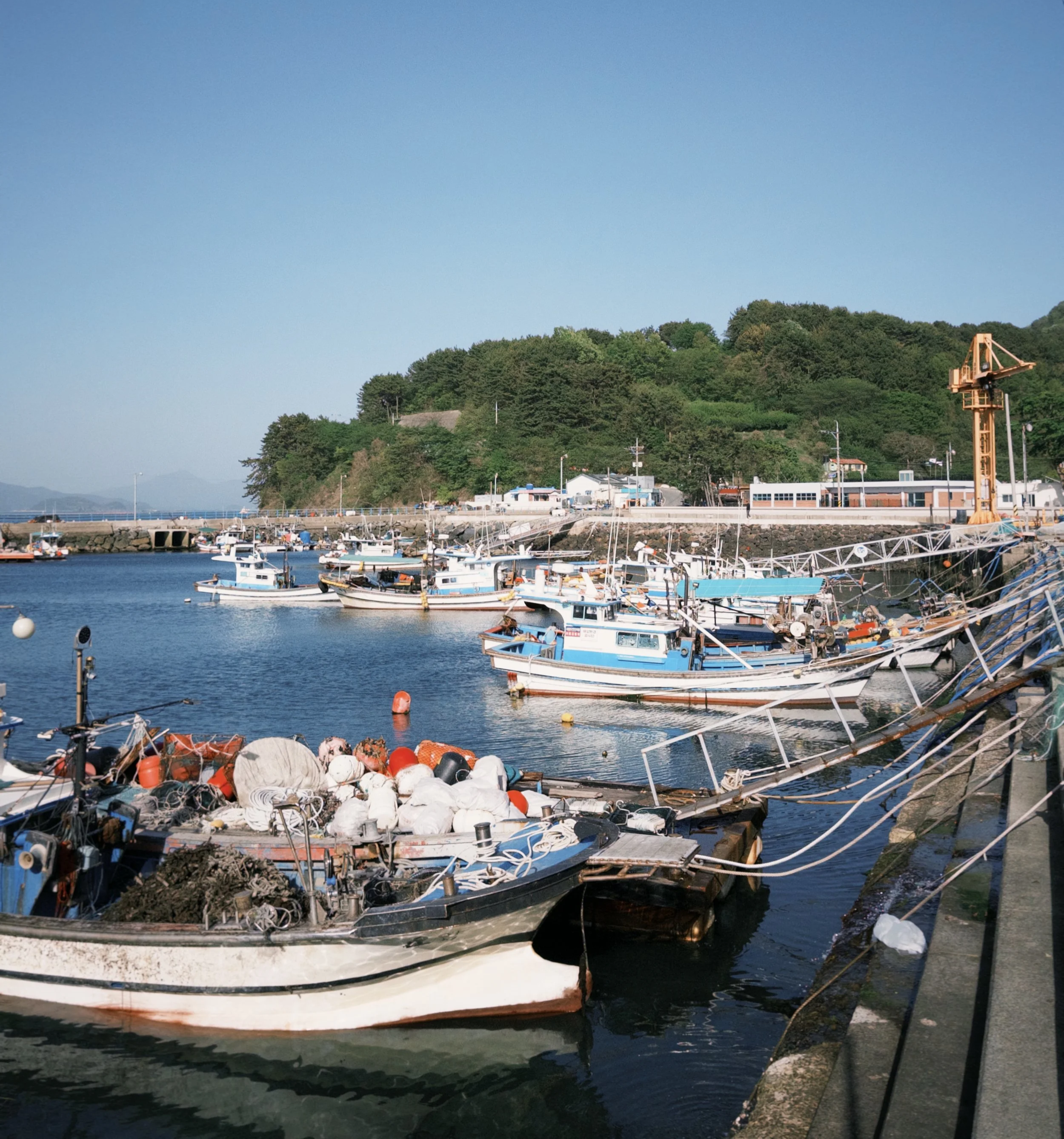
We were on a research trip in Tongyeong 통영, trying to design a more thoughtful kind of journey. From there, it takes about forty minutes by ferry to reach Saryangdo 사량도, a small island where daily life still feels closely tied to the sea. At Goodmate, we always begin with people. We believe locals usually know the best answers.
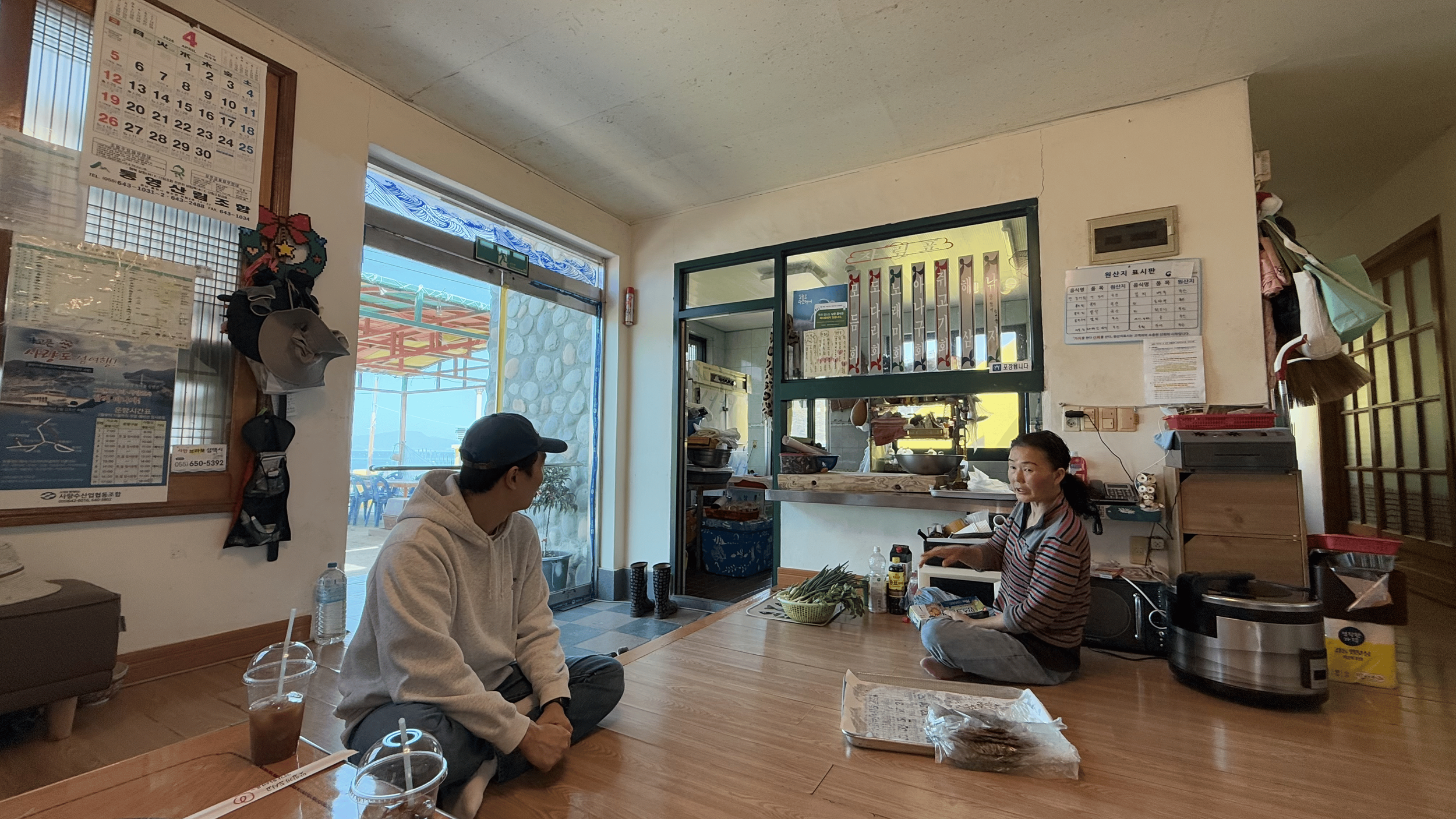
So as soon as we arrived, we went to meet the people who actually live there.
At one point, we visited the home of a woman who runs a restaurant in the village and serves as the head of the local women’s association. She welcomed us with both arms open, listened carefully to why we had come, and began sharing stories about the village that you would never find online.
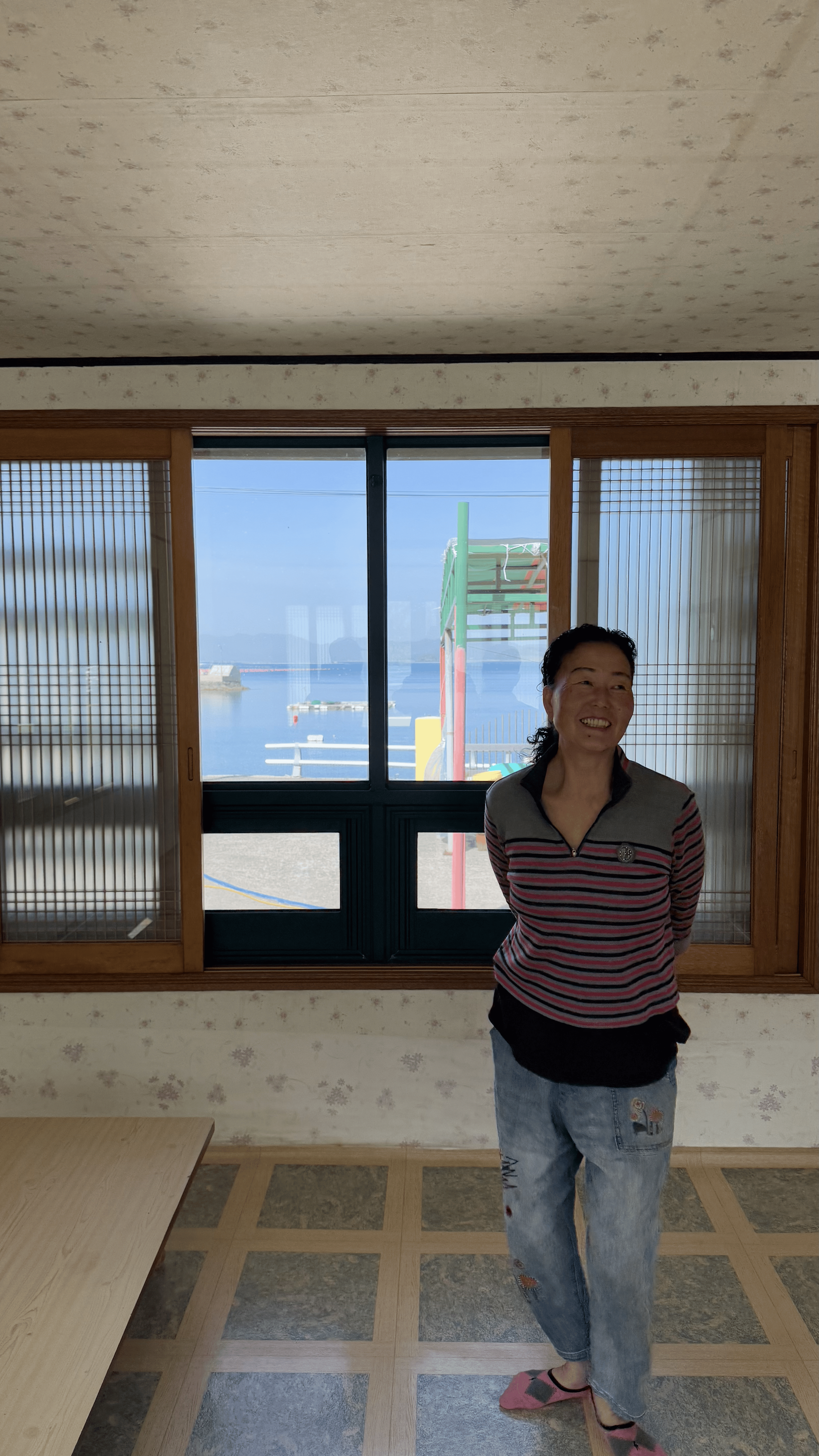
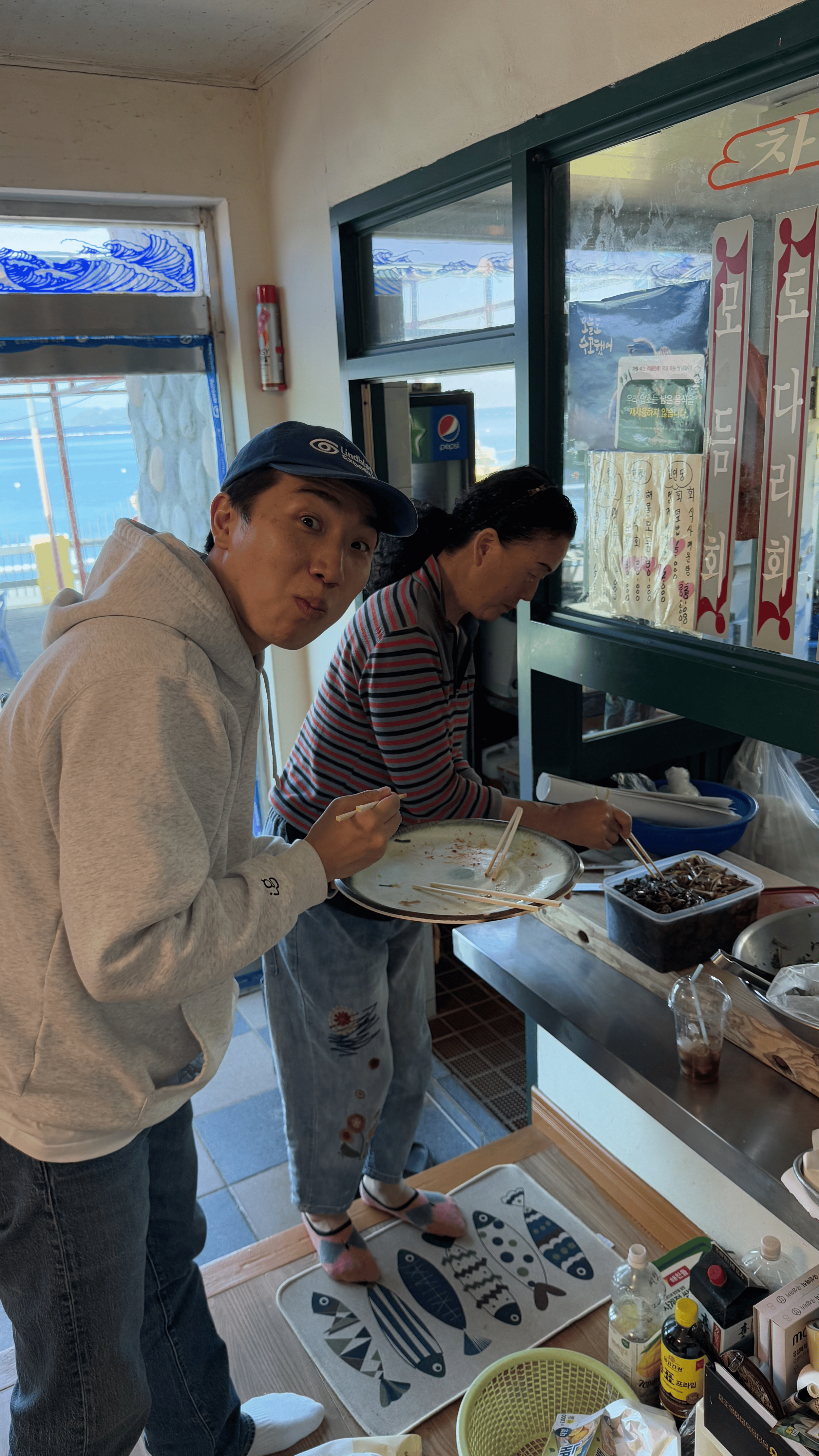
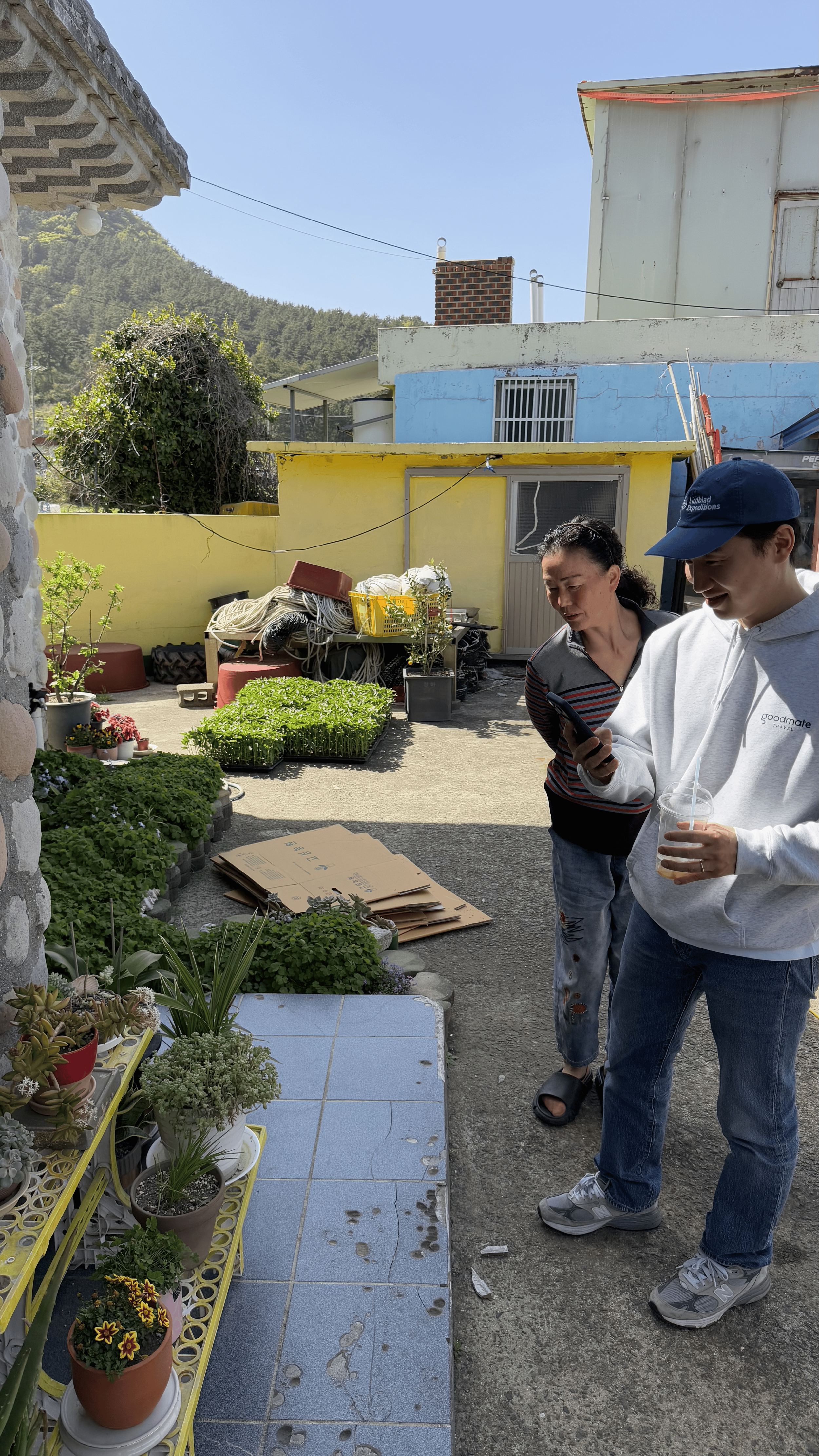
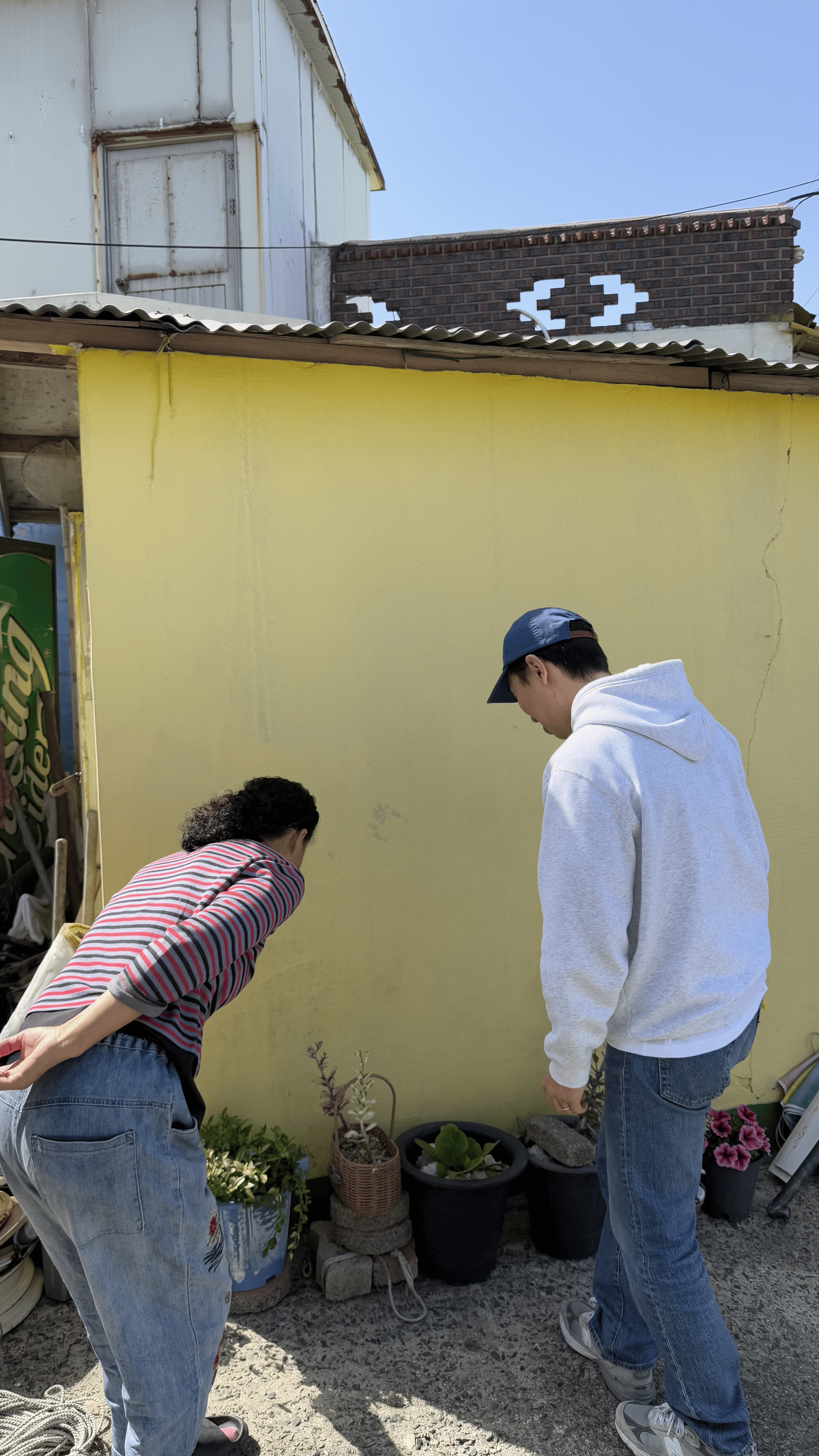
We told her we had already eaten. She ignored that friendly. Instead, she kept placing food in front of us—homemade Korean pancake, pickled vegetables, kimchi—urging us to try this, then that, then one more thing. The food was wonderful, but what moved me more was the feeling behind it. She wasn’t feeding customers. She was taking care of people. And it wasn’t only her. As we met more locals around the island, we kept hearing the same kind of welcome in different forms.
“Thank you for coming all this way. You look just like my grandchild. It’s so good to see young people working this hard.”
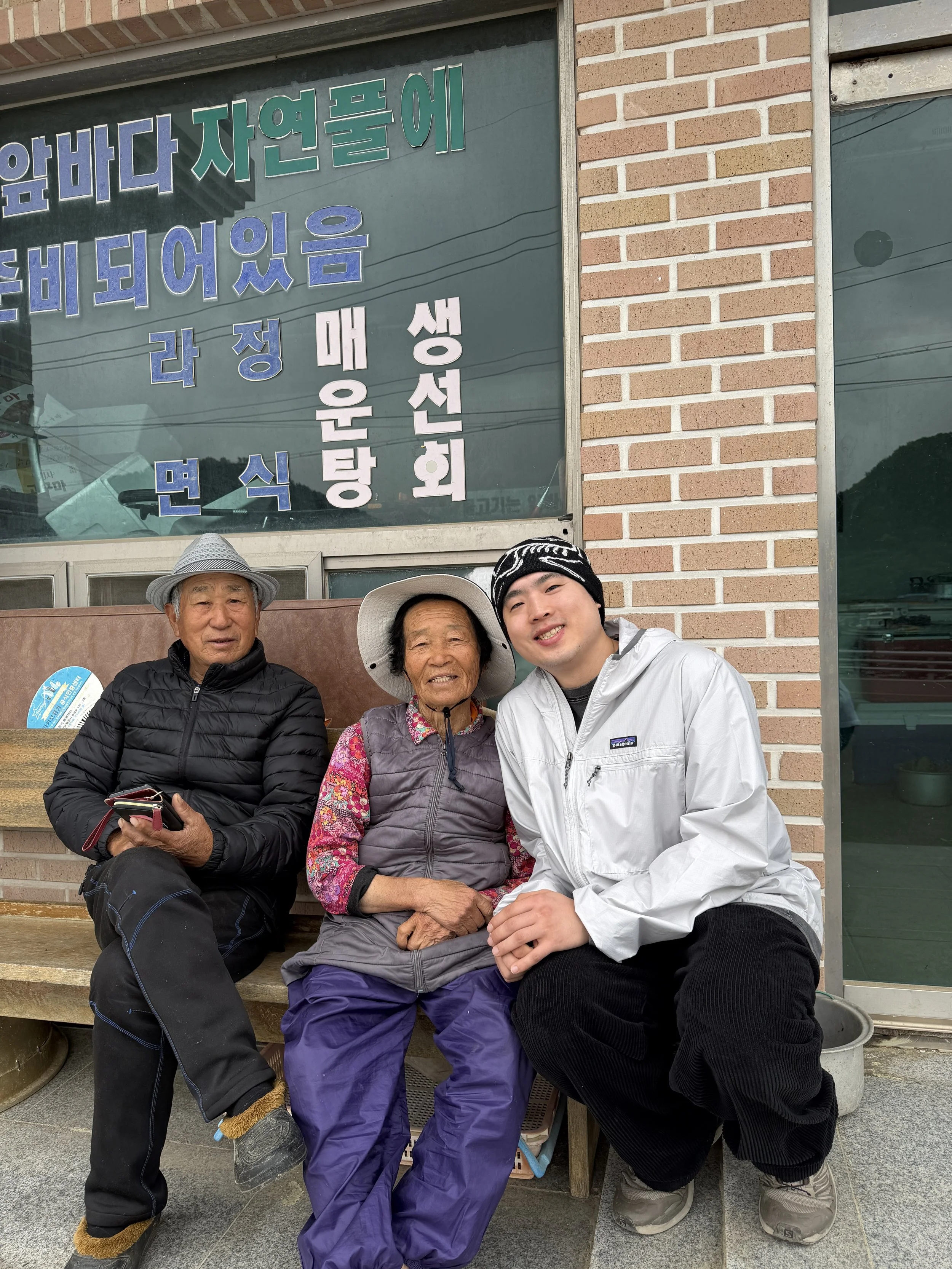
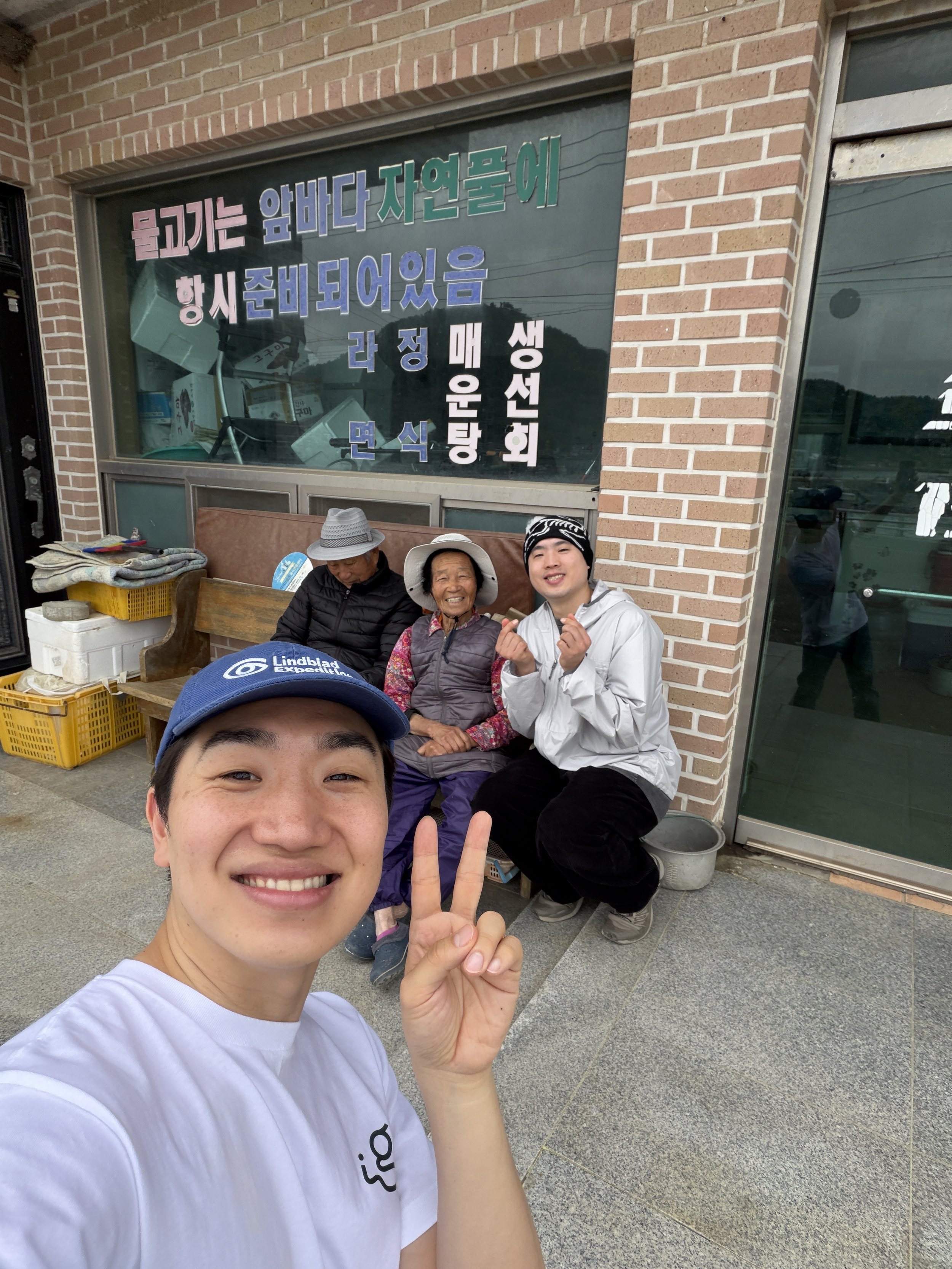
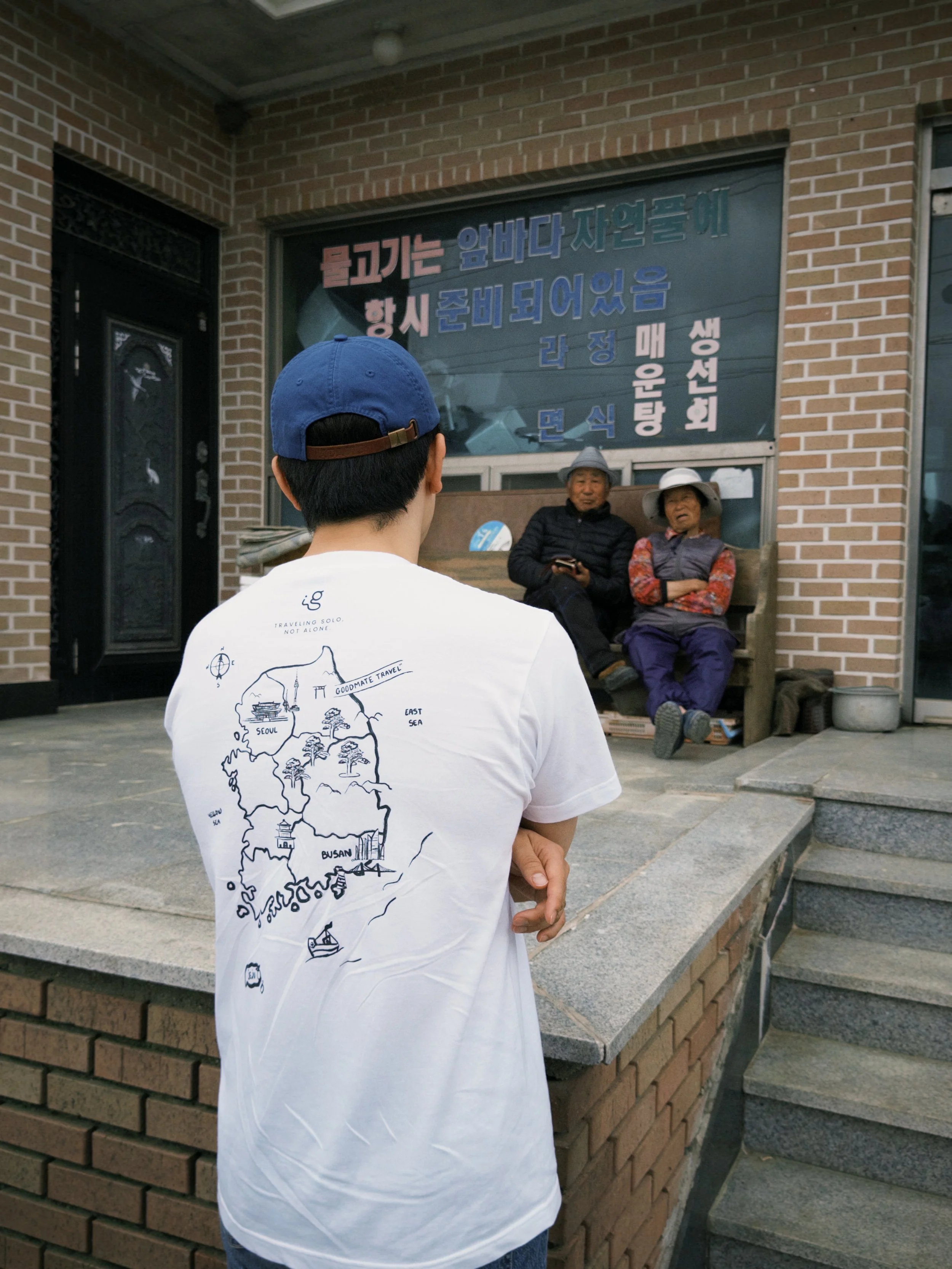
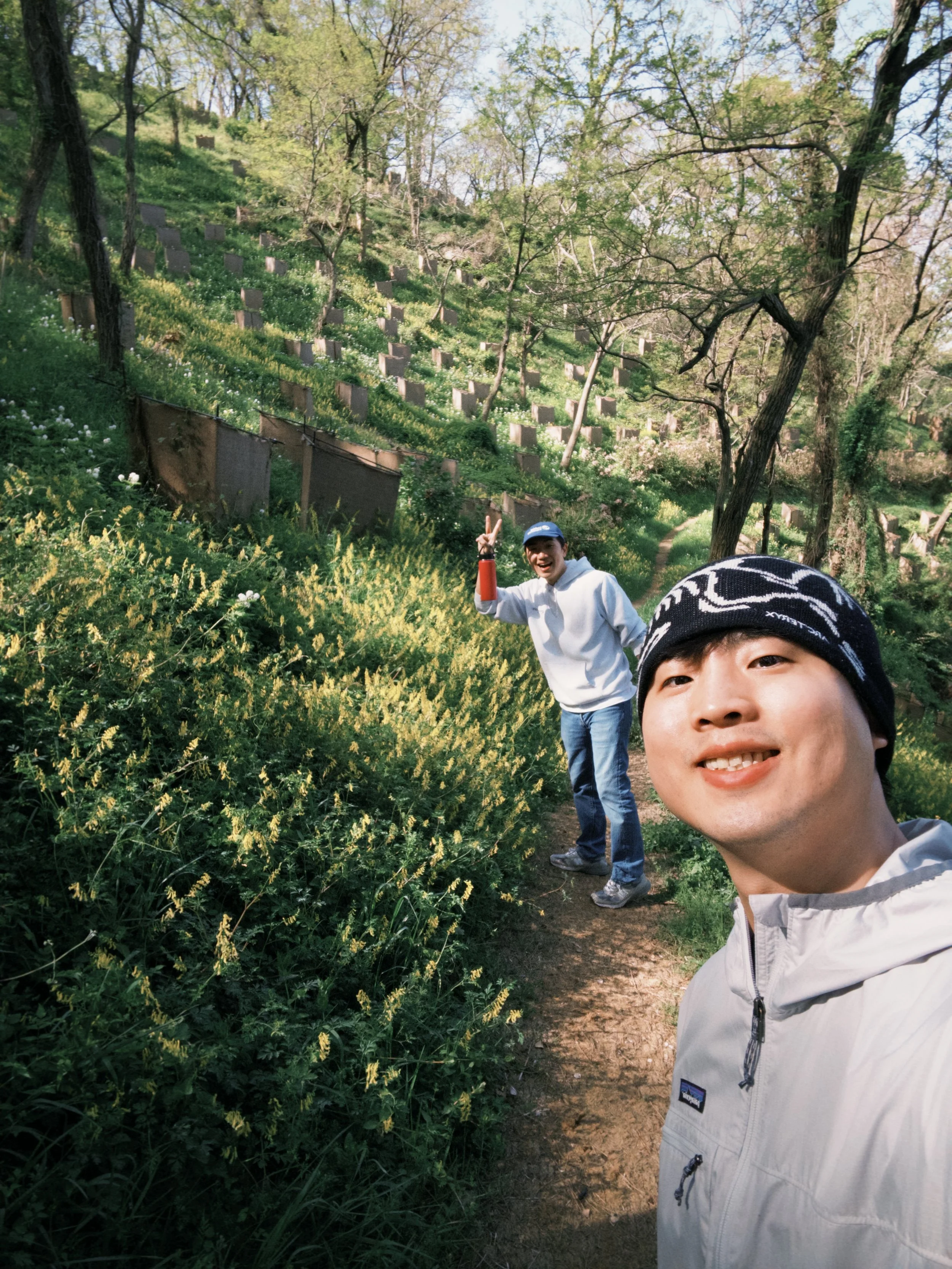
To be honest, it stayed with me. In Seoul, this kind of warmth can feel harder to come by these days. Life is faster. People are busier. So to be received with that kind of open-heartedness again felt deeply moving. It reminded me that jeong is still here.
Why it matters
For travelers, jeong is one of the most beautiful parts of Korea, because it often appears in the smallest moments.
A shop owner slipping extra fruit into your bag. A restaurant owner asking if you’ve eaten enough. A local grandmother insisting you sit for a while before you go. These moments may seem small, but together they shape the feeling of a place.
And maybe that is the simplest way to understand Jeong. It is the instinct to care for someone simply because they are in front of you. I hope this culture of jeong stays alive in Korea. And I truly hope more travelers get to experience it too.
At Goodmate, this is the kind of travel we believe in—travel shaped by people, not just places. If you want to experience a more human side of Korea, one built on warmth, care, and real connection, we’d love to welcome you on a Goodmate Original Tour.
