
When it rains, I think of my mother's doenjang-jjigae, the soybean paste stew she used to make. On hot summer days, it's my father's cold yeolmu-guksu, noodles with young radish greens. Neither dish is hard to find in Korea. I could probably have both delivered to my door in half an hour. But they wouldn't taste quite the same.
In Korea, we have a word for home-cooked meals: jipbap. Literally, it means "home rice," but there's more to it than that. It's the food you grew up eating, the familiar flavors you return to, and the comfort of having someone make a meal just for you.
When I started planning Korean Food & Culture Retreat, I kept thinking about how to share this part of Korean life with our guests. We could take them to wonderful restaurants, of course. But what if we could bring them into a Korean home, where the food comes with family stories, a little chaos, and no one is in a hurry to clear the table? That's when I thought of my uncle.
A little house in Jangheung
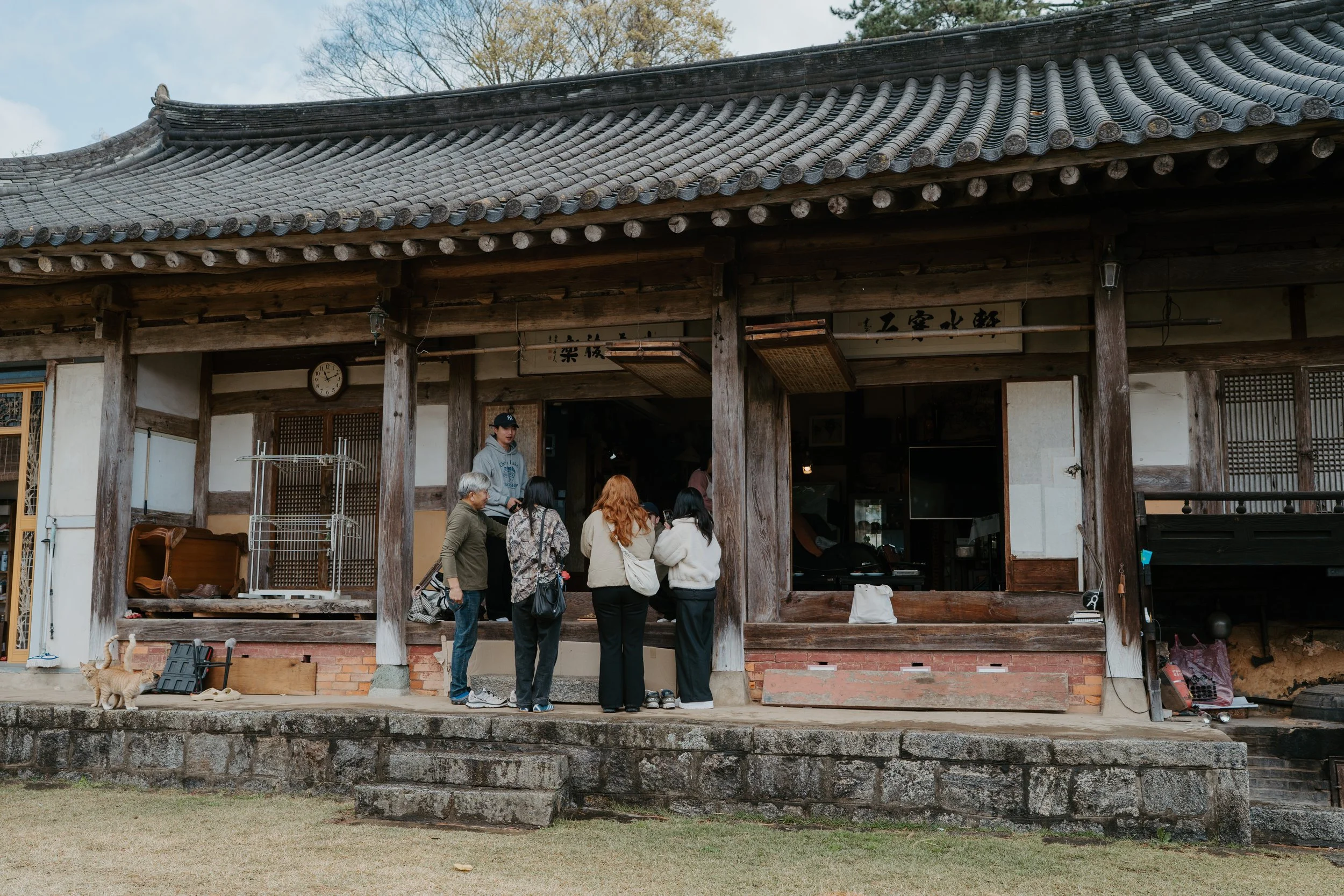
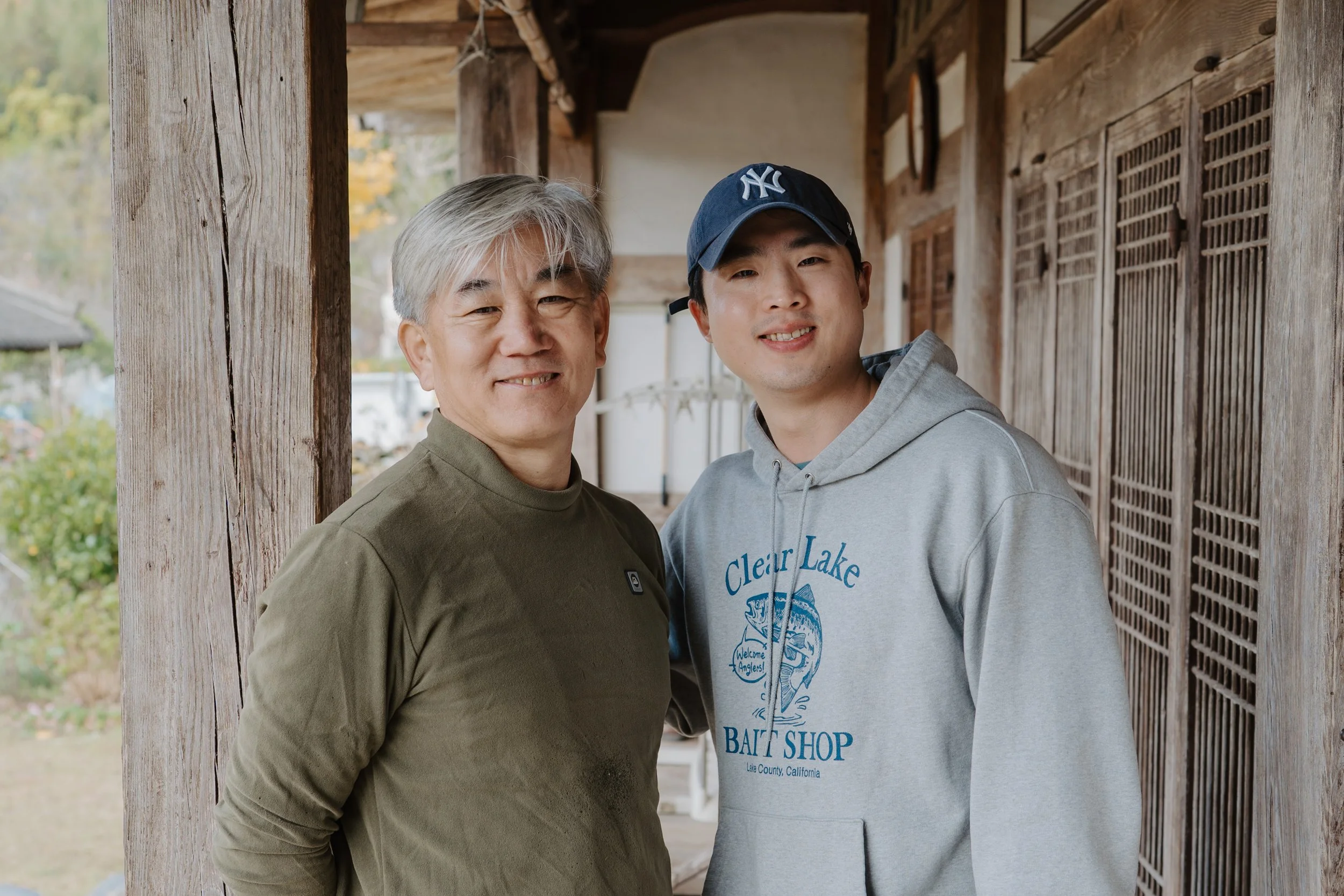
A few years ago, my aunt and uncle left the city and moved to Haengwon, a quiet village in Jangheung, southwestern Korea. They grow shiitake mushrooms and all sorts of vegetables, make their own doenjang and gochujang, and seem to have settled happily into countryside life. Our extended family gets together at their house at least once a year, usually around a table in the yard. This time, I brought some friends from overseas.
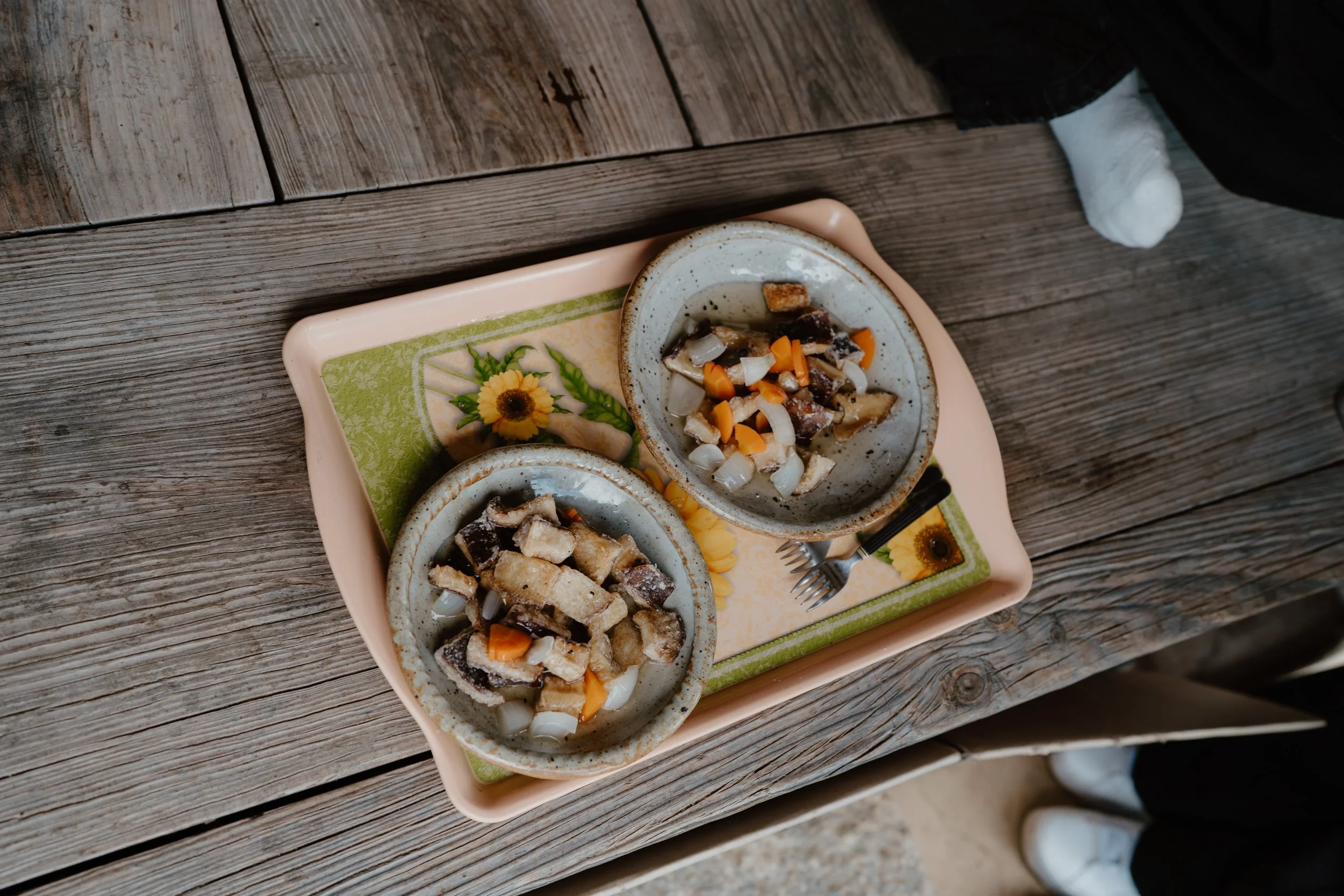
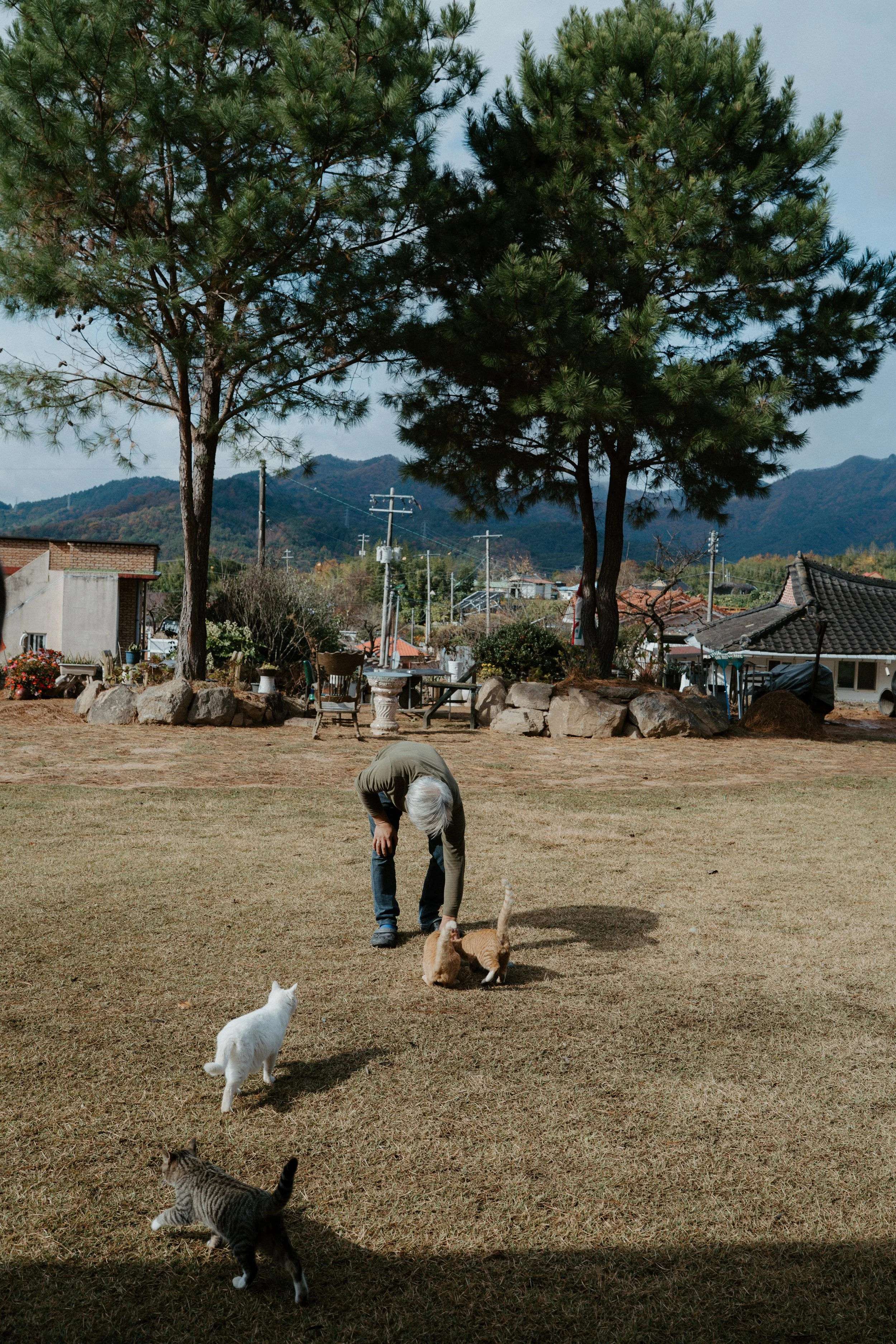
It had been raining all morning, but the clouds cleared just as we arrived. The yard was bright with sunlight. Dogs and cats were wandering around, and my aunt and uncle came out to greet us. We hadn't even sat down properly when the first dish arrived: crispy, sweet-and-sour fried shiitake mushrooms, made with mushrooms they'd grown themselves. A pretty good way to say welcome, I'd say. And lunch was still to come.
What's on a Korean family table?
If you've eaten Korean food at a restaurant, you've probably noticed all those little dishes filling the table. They're called banchan, side dishes served alongside rice and often soup. Rather than arriving in separate courses, everything usually comes together, and everyone shares. At home, what's on the table often depends on the season, the region, and what's available in the kitchen.
My aunt and uncle had prepared quite a feast. There was grilled hanwoo, Korean beef that Jangheung is known for, along with fish and gim (roasted seaweed) from the coastal region. We also had different kinds of namul, seasoned vegetables and greens they'd grown on the hillside behind their house. I loved how much of the meal came from the surrounding area. The mushrooms from their farm, the vegetables from the hillside, the seafood from a coast not far away.
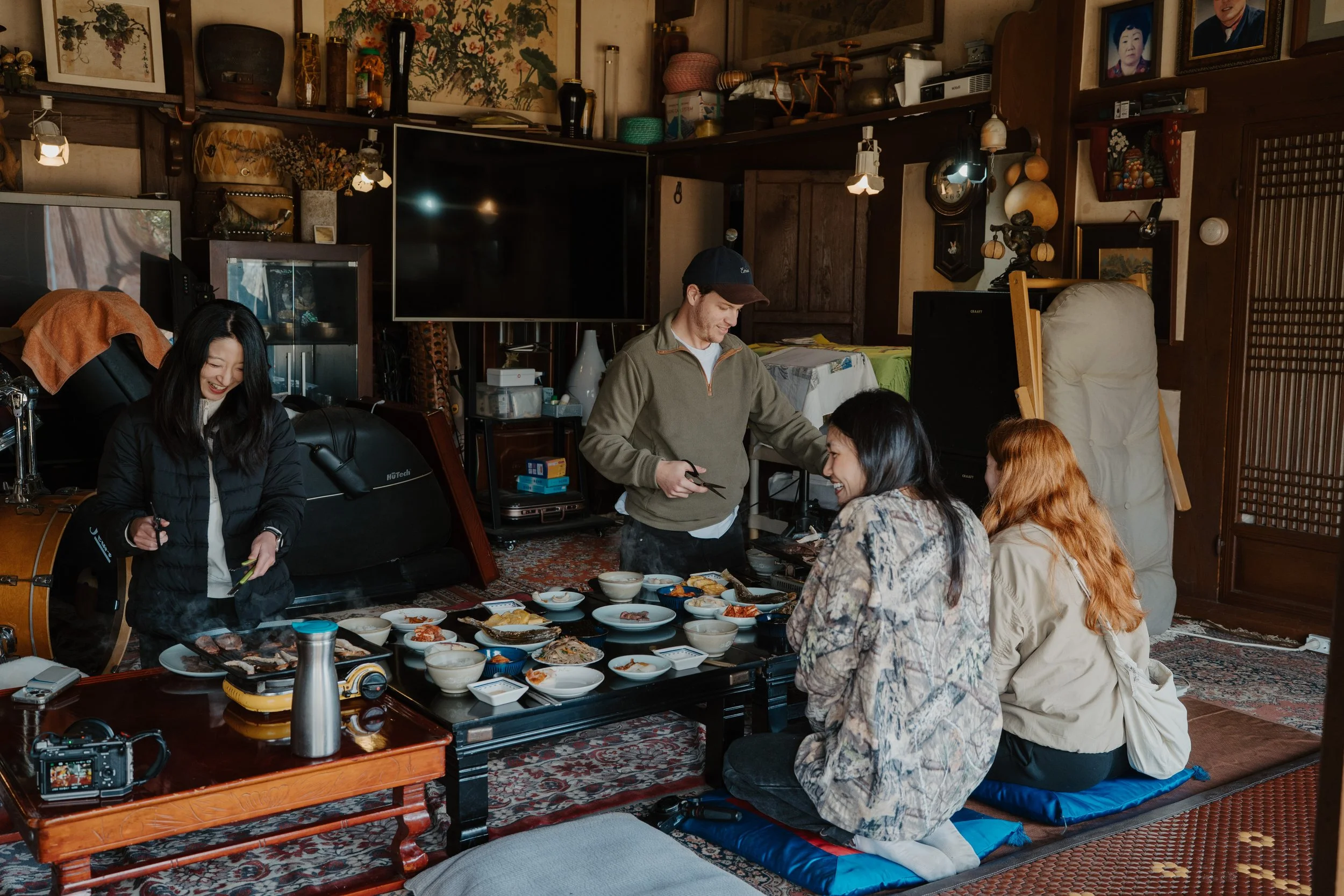
Of course, not every Korean family eats like this every day. A normal weeknight dinner might be nothing more than rice, soup, kimchi, and a few side dishes left in the fridge. And that's still jipbap. It's not really about how much food is on the table. It's about who's making it, who you're eating with, and the familiar little things that make you feel at home.
One table, different memories
One of the guests was Abigail. She was born in Korea and adopted by a family in the United States when she was just eight months old. Twenty-seven years later, she was finally visiting Korea again.
After lunch, she told us how special it had been to experience a Korean home-cooked meal during this trip. I found myself thinking about that for a while. For me, my uncle's house is familiar. I've eaten there with my family, spent afternoons in the yard, and returned year after year.
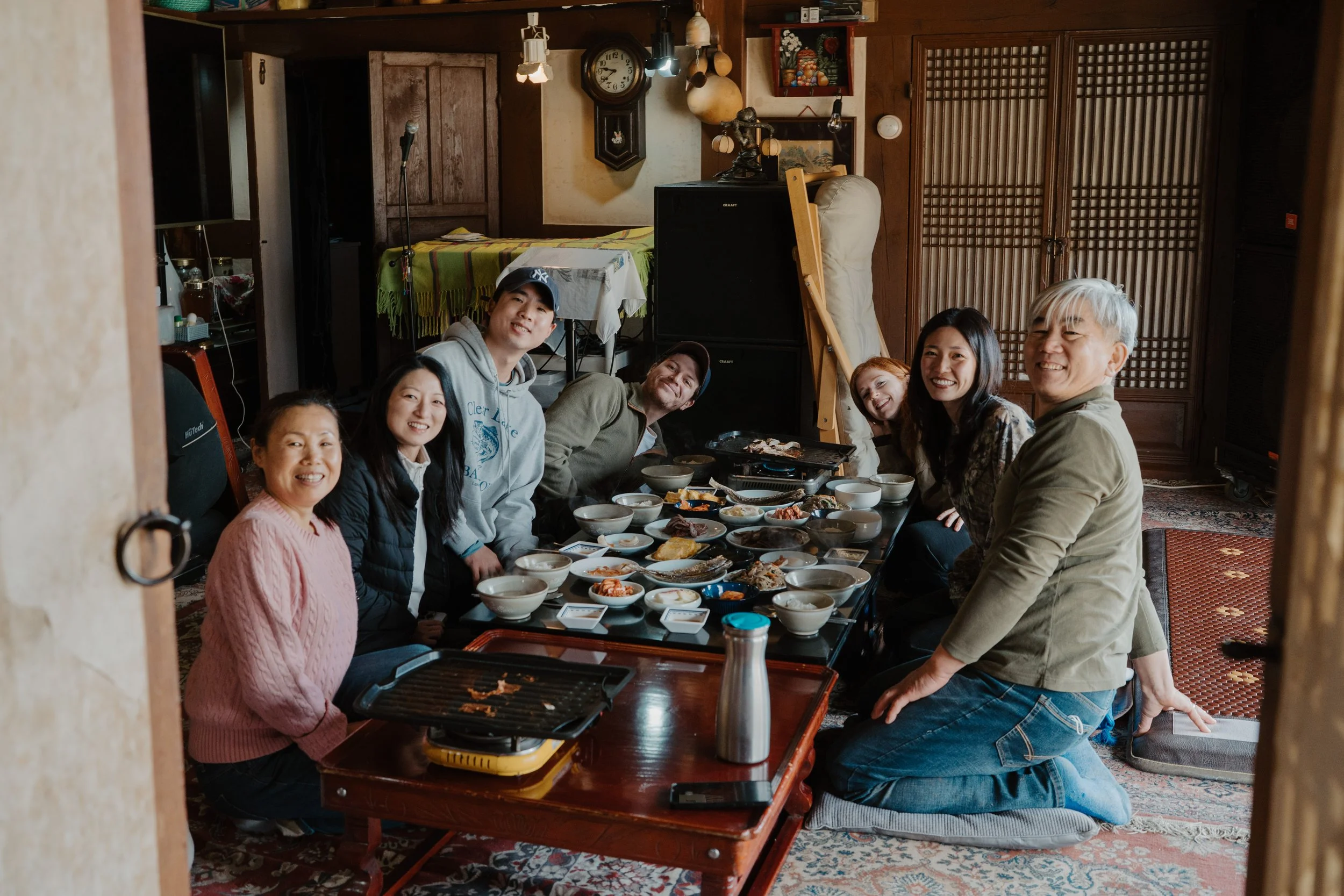
For her, everything was new. She was visiting the country where she was born, and here she was, sitting down to a meal with a Korean family. I can't know everything that afternoon meant to her. But hearing her talk about it made me see something I'd taken for granted in a different light. We'd all eaten the same food. Yet I knew we wouldn't all remember that lunch in quite the same way.
More than a meal
I brought my friends to my uncle's house thinking I was sharing something familiar. But after listening to my friends’ stories, I began to see that afternoon a little differently.
I'd known that yard for years. The food, the family gatherings, the way my aunt and uncle welcome people into their home. None of it had ever seemed particularly unusual to me. But perhaps that's exactly what made it worth sharing.
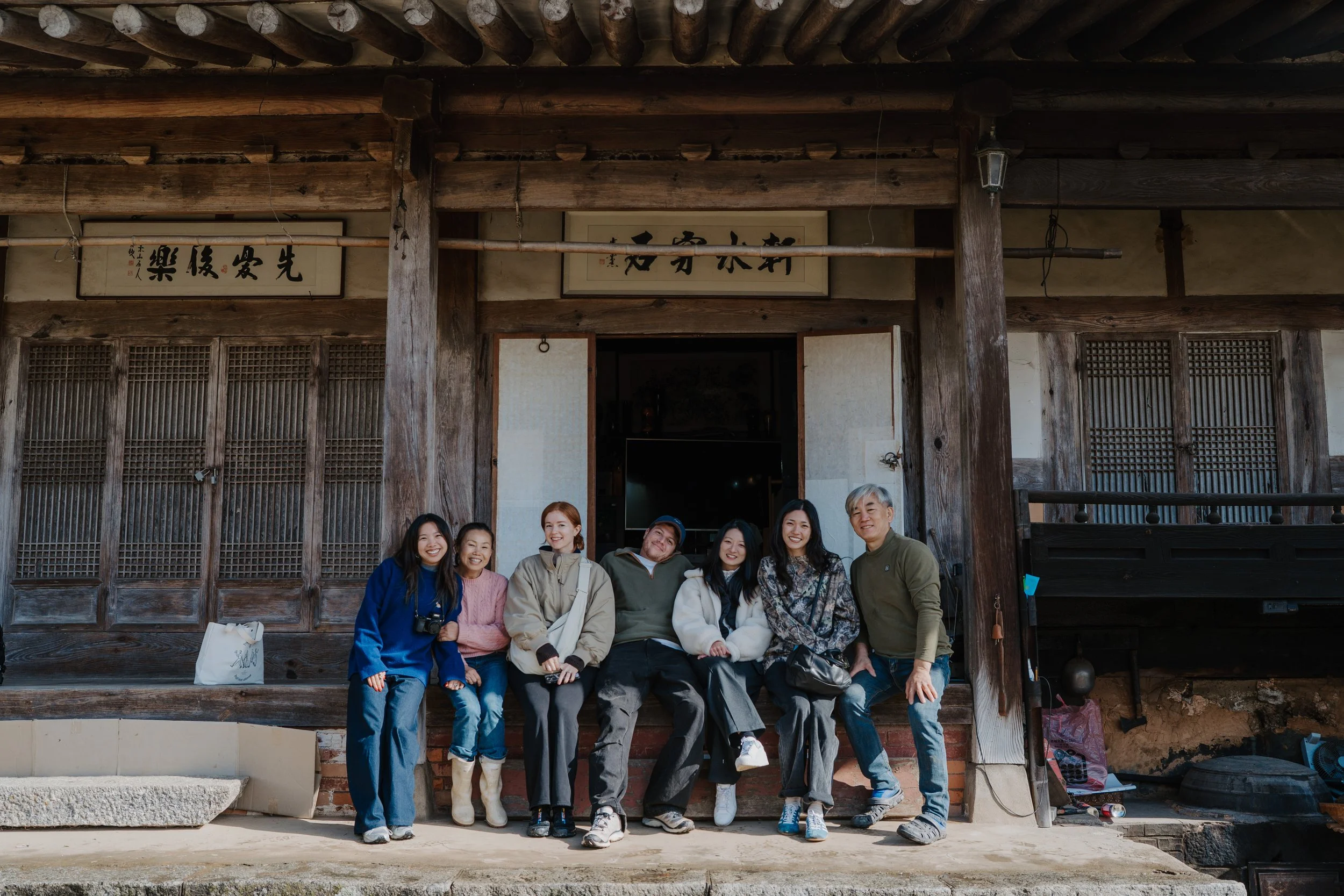
A restaurant can introduce you to Korean food. Sitting down at someone's home gives you a glimpse of the life around it. The vegetables growing in the backyard, the recipes a family has made for years, and the care that goes into preparing a meal for people they've just met.
It's a side of Korea I hope more travelers get to experience, especially in smaller towns like Jangheung, where there's so much to discover beyond the usual tourist routes.
That's also why we're creating our Korean Food & Culture Retreat. Over six days, we'll travel beyond Seoul, meet local food makers, discover the stories behind Korean cooking, and share a home-cooked meal with a local family in Jangheung.
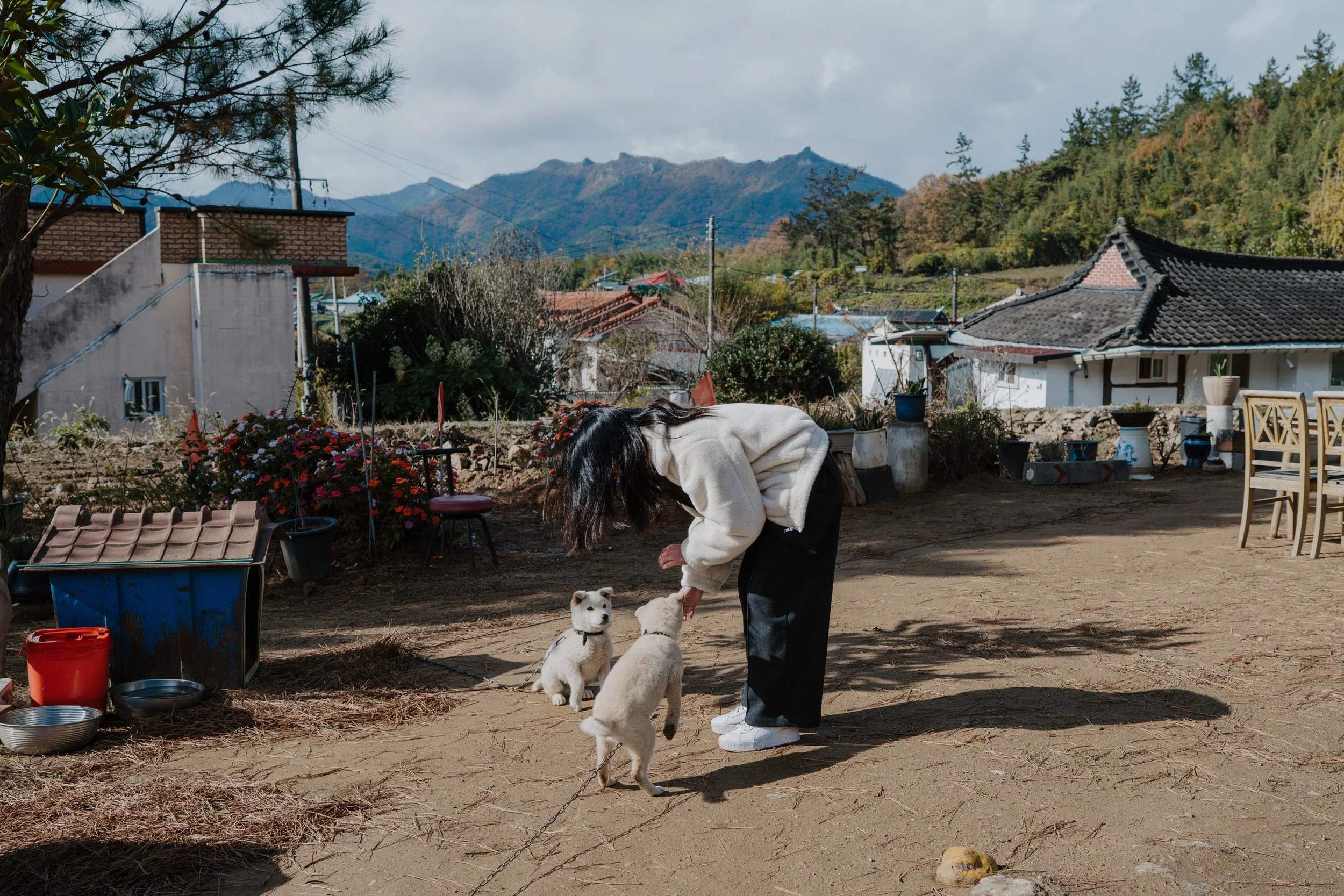
When I think back on that afternoon, I remember the food, of course. But I also remember how generously my aunt and uncle welcomed everyone, and how much that simple invitation meant to our friends.
I hope our future guests return home with a few new favorite Korean dishes. But even more, I hope they remember the people who made them. Because I can order a bowl of doenjang-jjigae almost any night of the week. What I can't order is another afternoon quite like that one.
