
Some of Korea’s most comforting dishes take just minutes to cook. But the flavors that make them special can take years.
I traveled through small towns in Korea, looking for ideas for a new Goodmate food tour. I expected to come home with a list of great things to eat. Instead, I spent much of the trip standing beside old clay jars and listening to people who had dedicated years to making what was inside them.
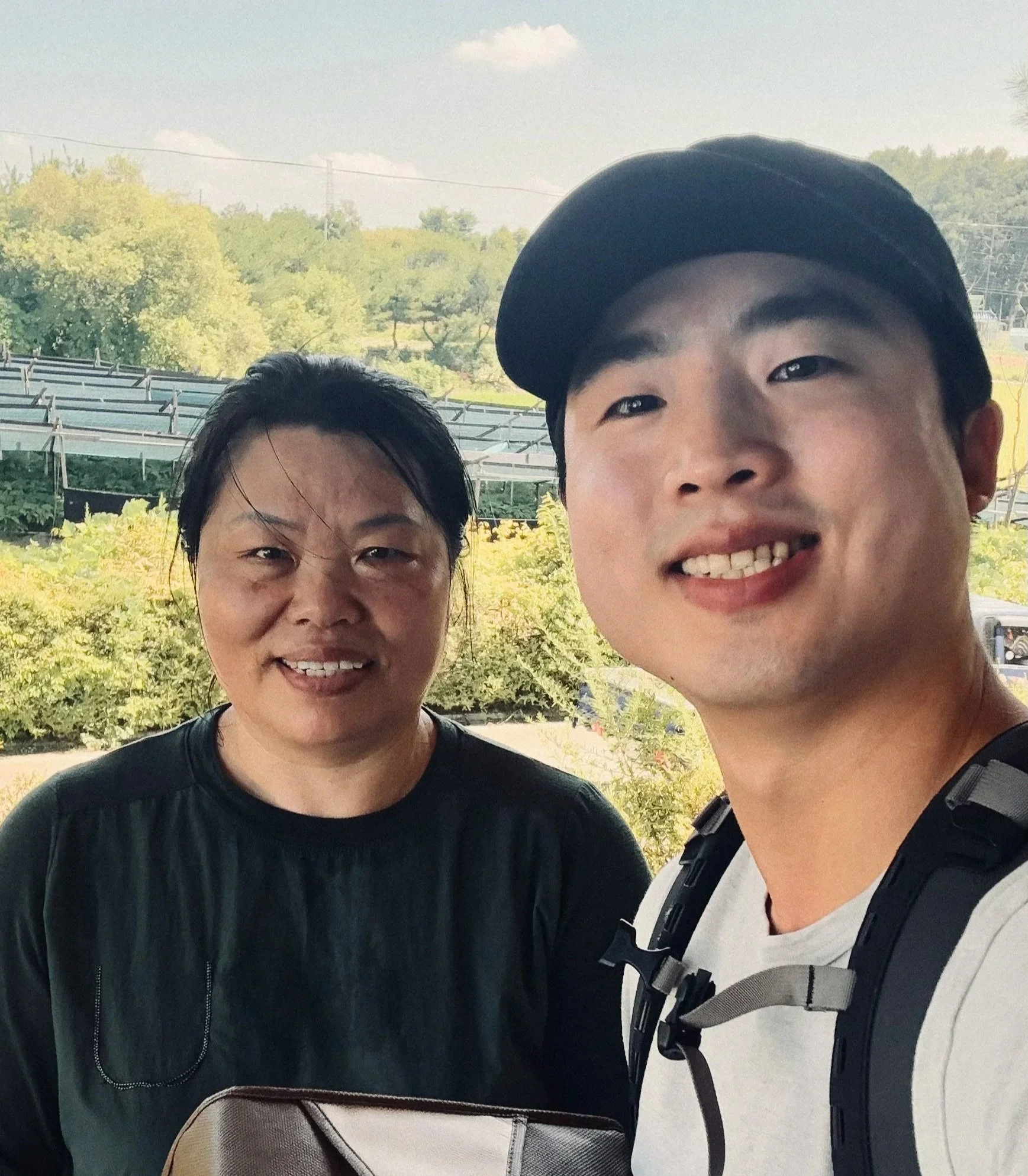
In Chungju, I met Ms. Kim Myung-sook, who makes traditional Korean fermented foods. She walked me past rows of earthenware jars, and every time I thought I'd seen everything, she had one more thing she wanted to show me.
She seemed in no hurry. Neither was the food. I had come looking for new flavors. But standing there, I began wondering what I was really tasting when I ate something that took years to make. And whose time was inside it?
The jars are not sleeping
There's an entire world of flavor hiding in the seasonings of a Korean kitchen.
Gochujang 고추장, the red chili paste that brings together heat, sweetness, and a deep savory flavor. Ganjang 간장, the soy sauce found in everything from marinades to everyday side dishes. And doenjang 된장, the soybean paste that gives our stews their comforting depth.
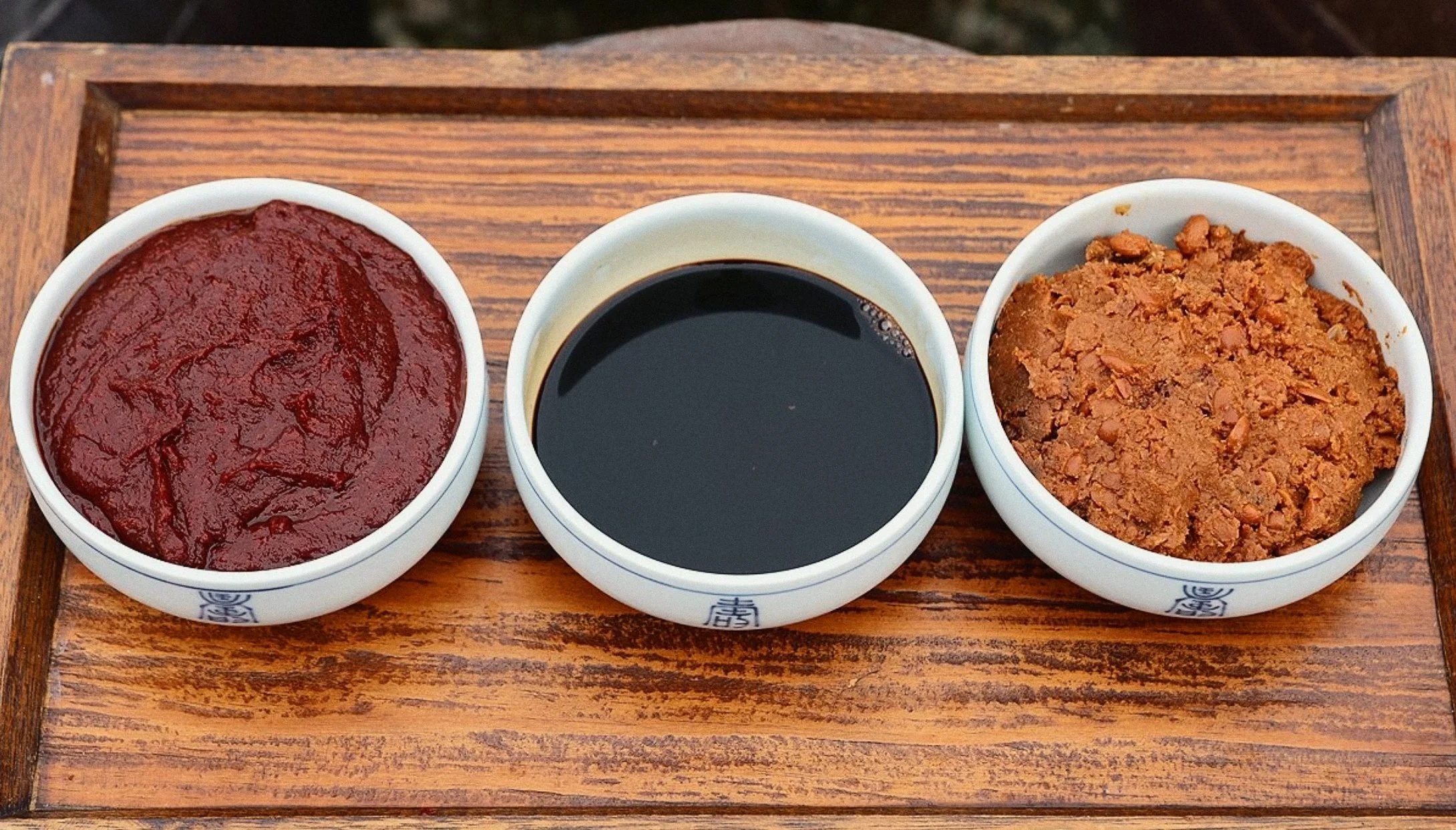
Together, they're known as jang 장, and they've helped shape the taste of Korean food for generations. Traditionally, doenjang and ganjang begin with soybeans cooked and shaped into blocks called meju. After fermentation, they're placed in saltwater, eventually producing both soybean paste and soy sauce.
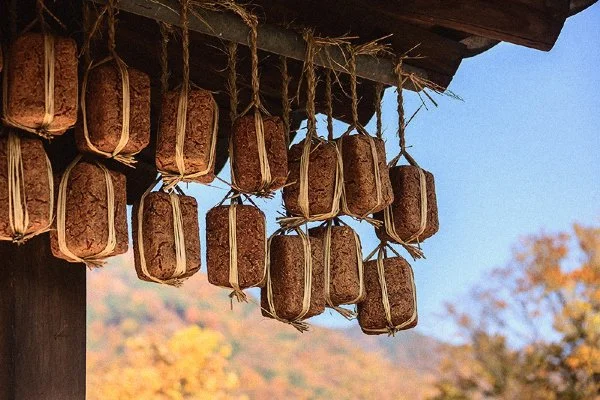
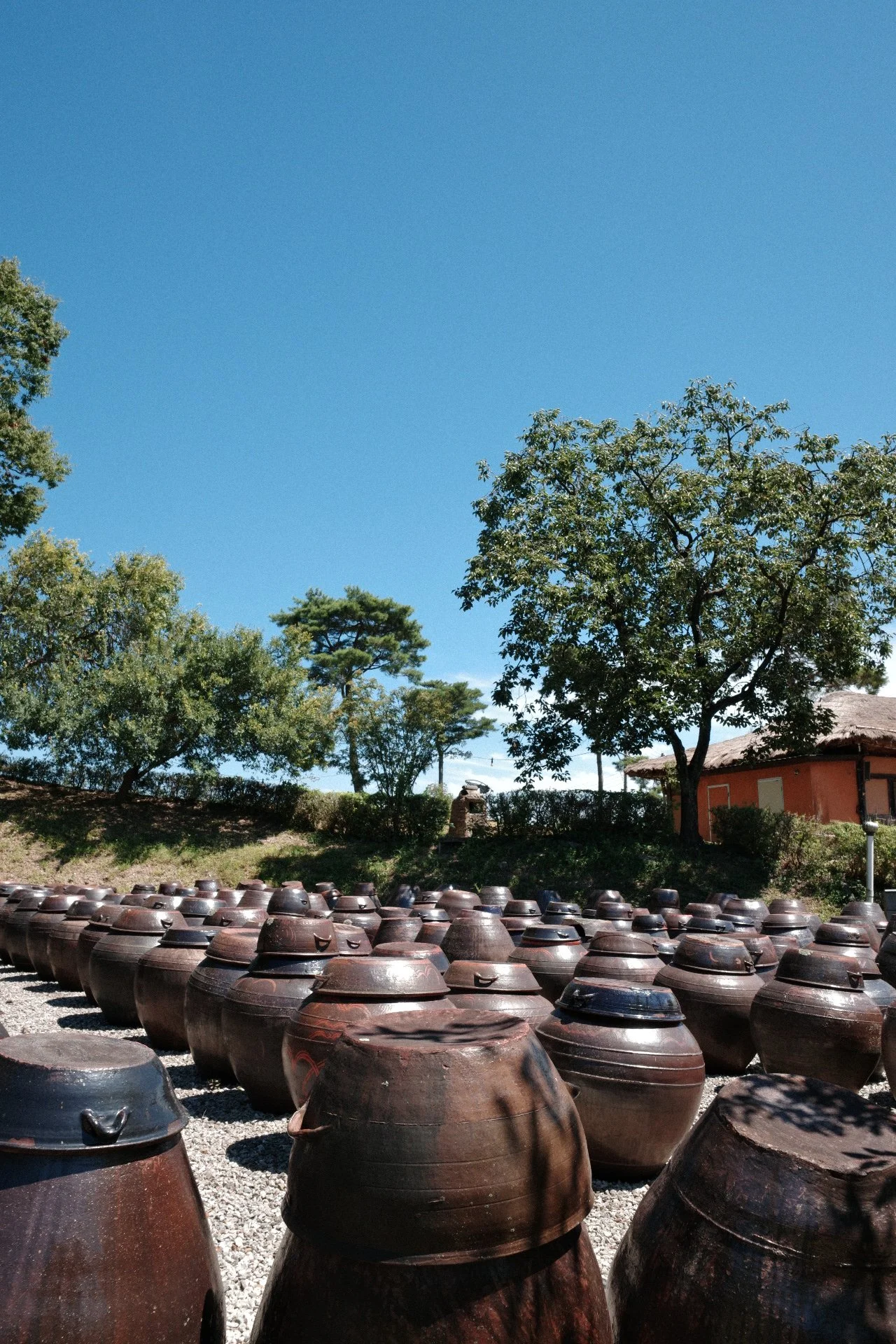
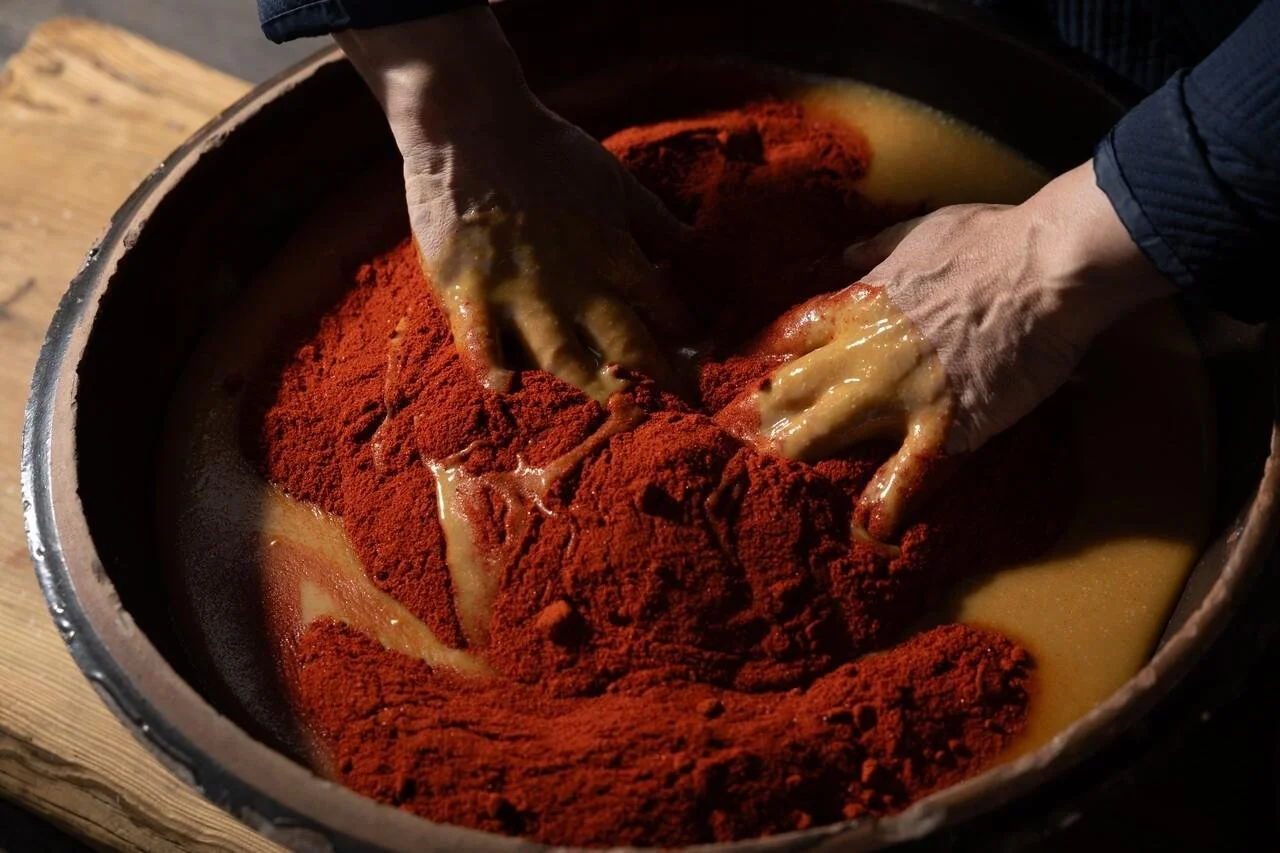
But here's what a recipe doesn't tell you. How do you know when something has fermented enough? What happens when the weather changes? When should you open a jar, adjust its conditions, or simply leave it alone? The answers come from experience. Waiting is not the absence of work. Sometimes it is the work.
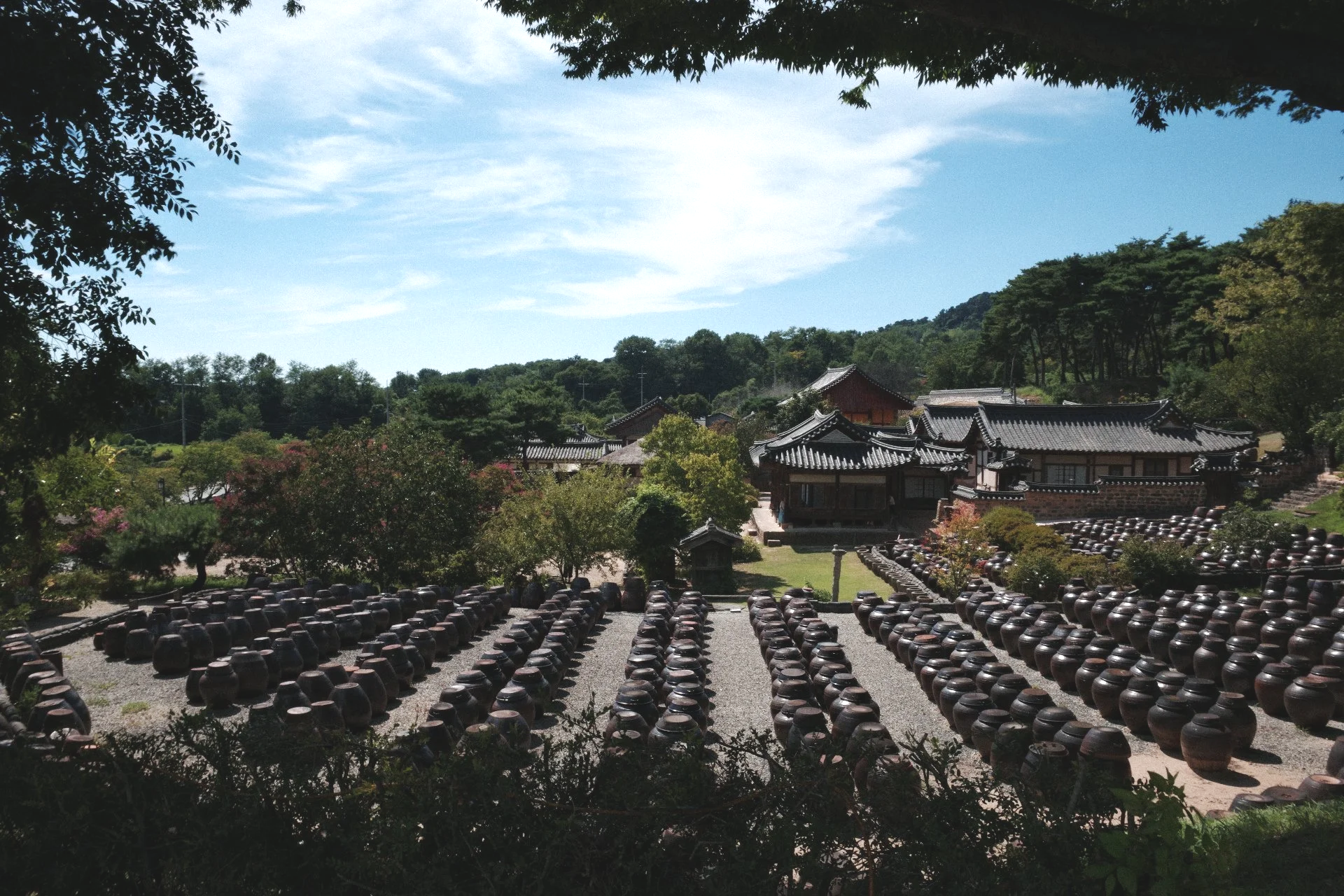
For generations, families developed their own ways of making jang. Even with similar ingredients, the results could be different. One household's doenjang might taste stronger or earthier than another's. The same ingredients, different hands, different years. And perhaps that's why these sauces have always been more than seasonings. They carry the habits of the people who make them.
When yesterday's kimchi becomes tomorrow's dinner
One of my favorite things about Korean food is that yesterday's ingredients often have another life waiting for them. Take kimchi.
When it's freshly made, the cabbage is crisp, the seasoning bright, and the flavors lively. As it ferments, the sourness grows stronger. Eventually, that same kimchi might become too sharp for someone's taste as a side dish.
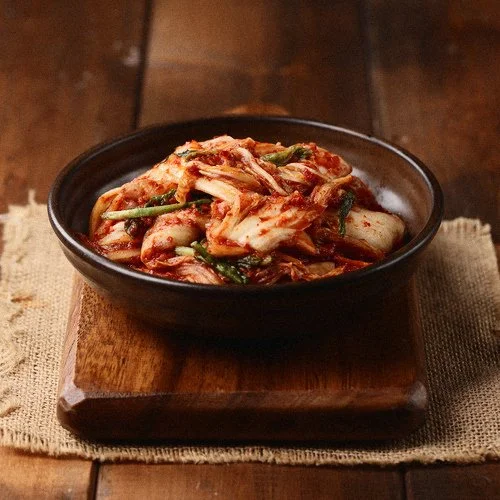
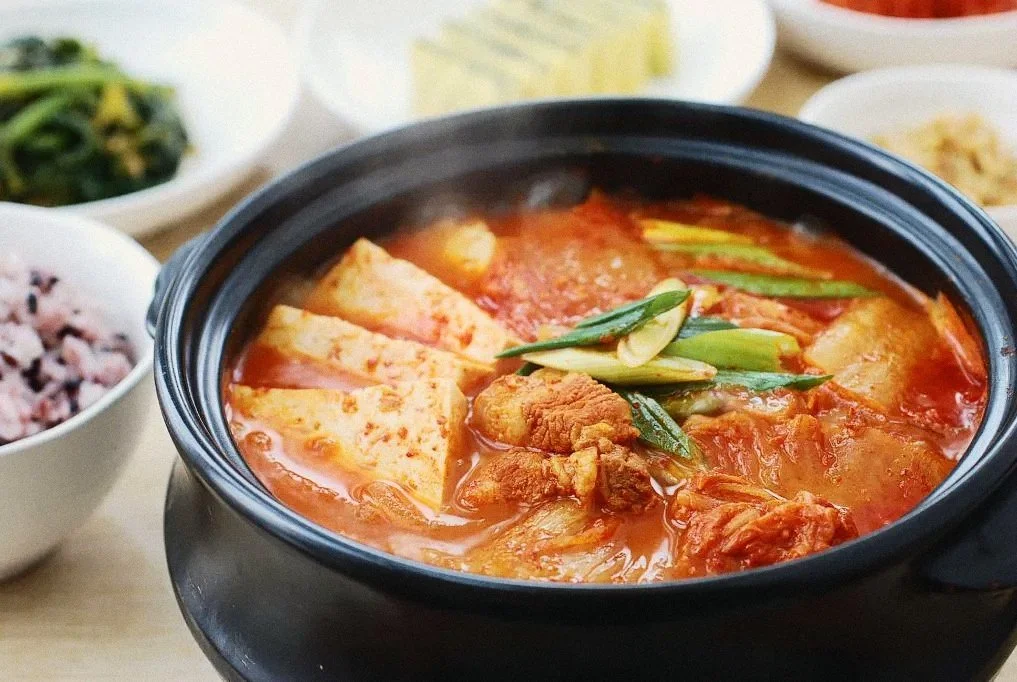
But put it in a pot with pork or tofu, let it simmer, and suddenly it's perfect for kimchi-jjigae. What was too sour for one meal becomes exactly right for another. There's something wonderfully practical about that.
And long before kimchi reaches the dinner table, it brings people together through a tradition called kimjang. Every late autumn, Korean families and neighbors have traditionally gathered to prepare kimchi for the winter. There are cabbages to salt, seasonings to mix, and plenty of work to share.
If you asked me what the best kimchi I've ever tasted was, I wouldn't name a restaurant or a special recipe. I'd take you back to my grandmother's house. When I was little, our whole family would gather there for kimjang, working side by side, chatting, and sharing the freshly made kimchi. I still remember how good it tasted that day, surrounded by the people I loved.
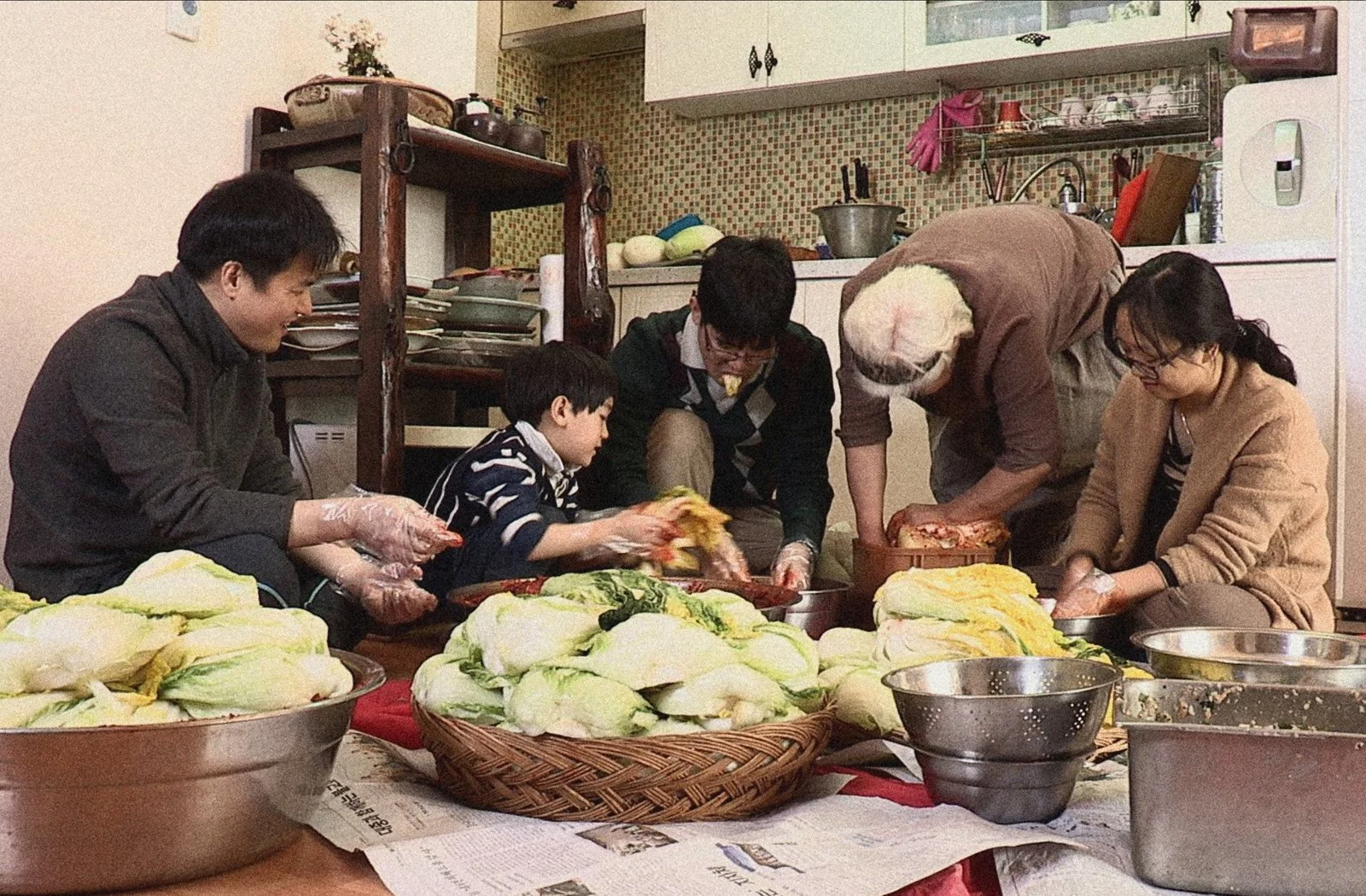
Years later, I can't remember exactly how that kimchi tasted. But I can still picture everyone together, the care that went into making it, and the warmth of those days. That's what kimjang means to me. Not just preparing food for the winter, but creating memories that last long after the kimchi is gone.
Recipes were passed down not just through written instructions, but through years of making something together. A jar of kimchi could carry the taste of a particular household. And sometimes, the memory of everyone who helped make it.
A little of the sea, saved for later
Not every Korean fermented food begins on a farm. In Gangyeong, a town known for its salted seafood, a shopkeeper opened a door to a cold storage room. Chilly air rushed out, revealing rows of containers filled with Jeotgal. The smell was unmistakable. Jeotgal is made by salting seafood, often allowing it to ferment over time. It has a powerful, deeply savory taste, and honestly, it's not always love at first bite.
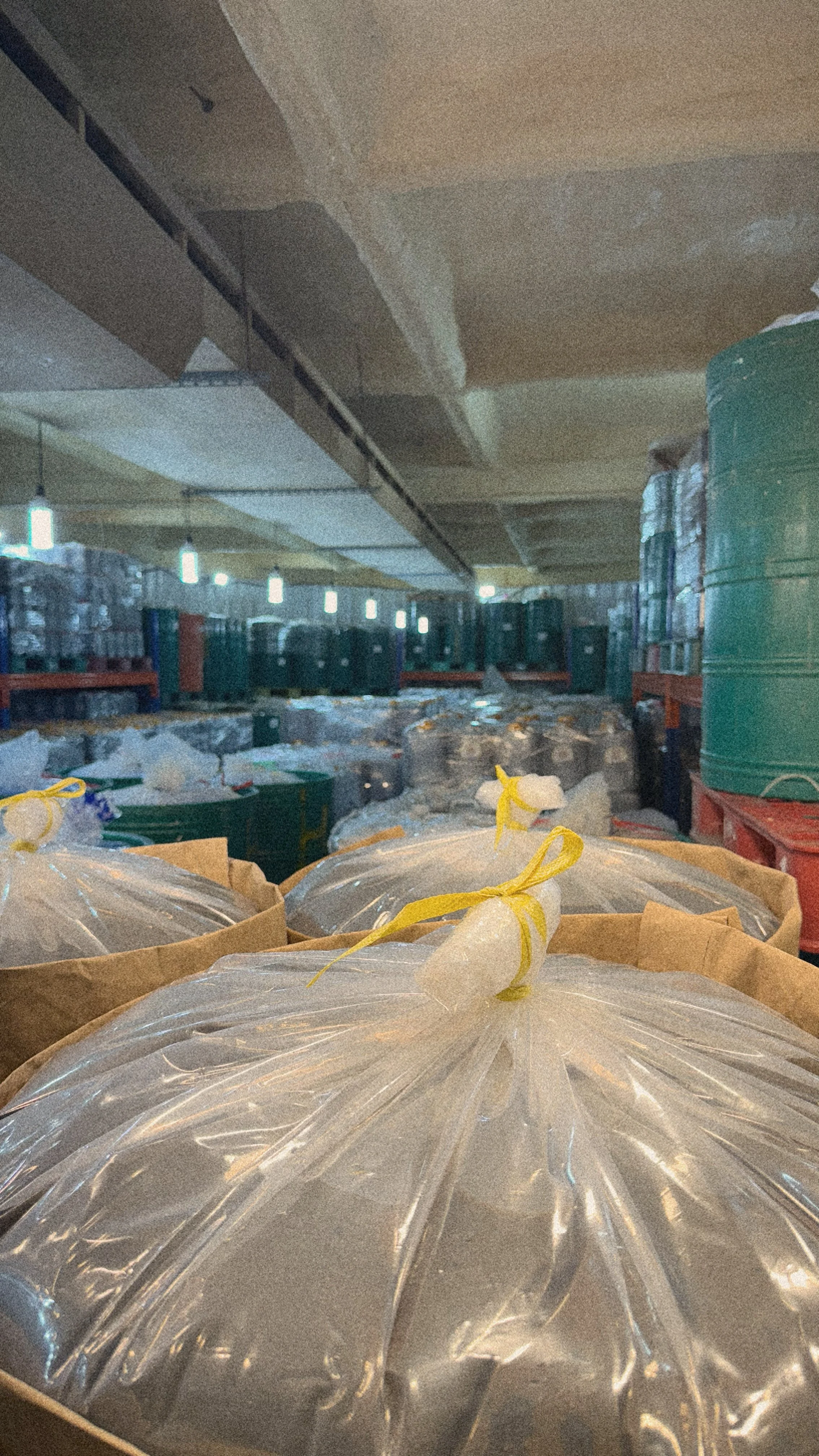
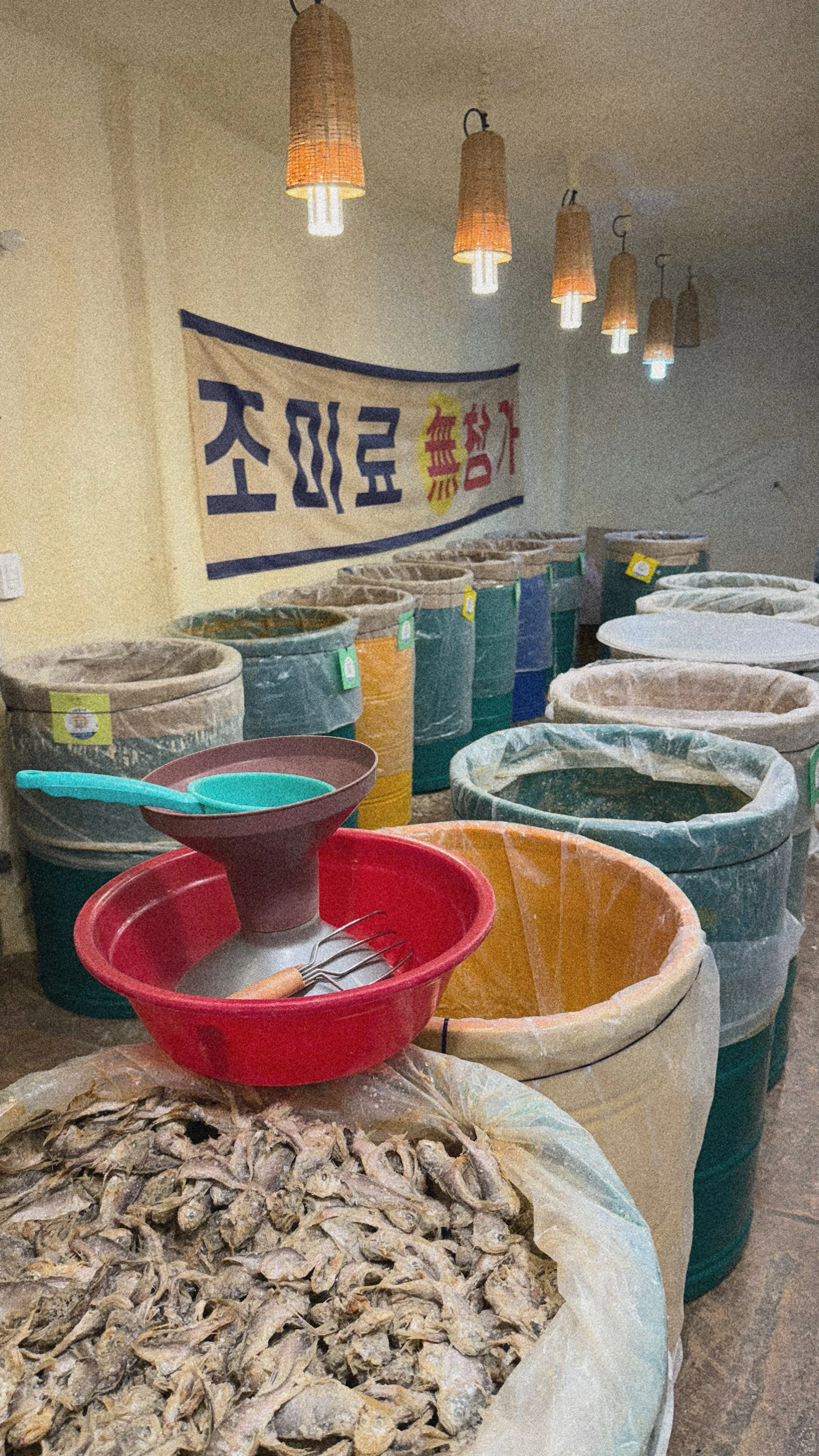
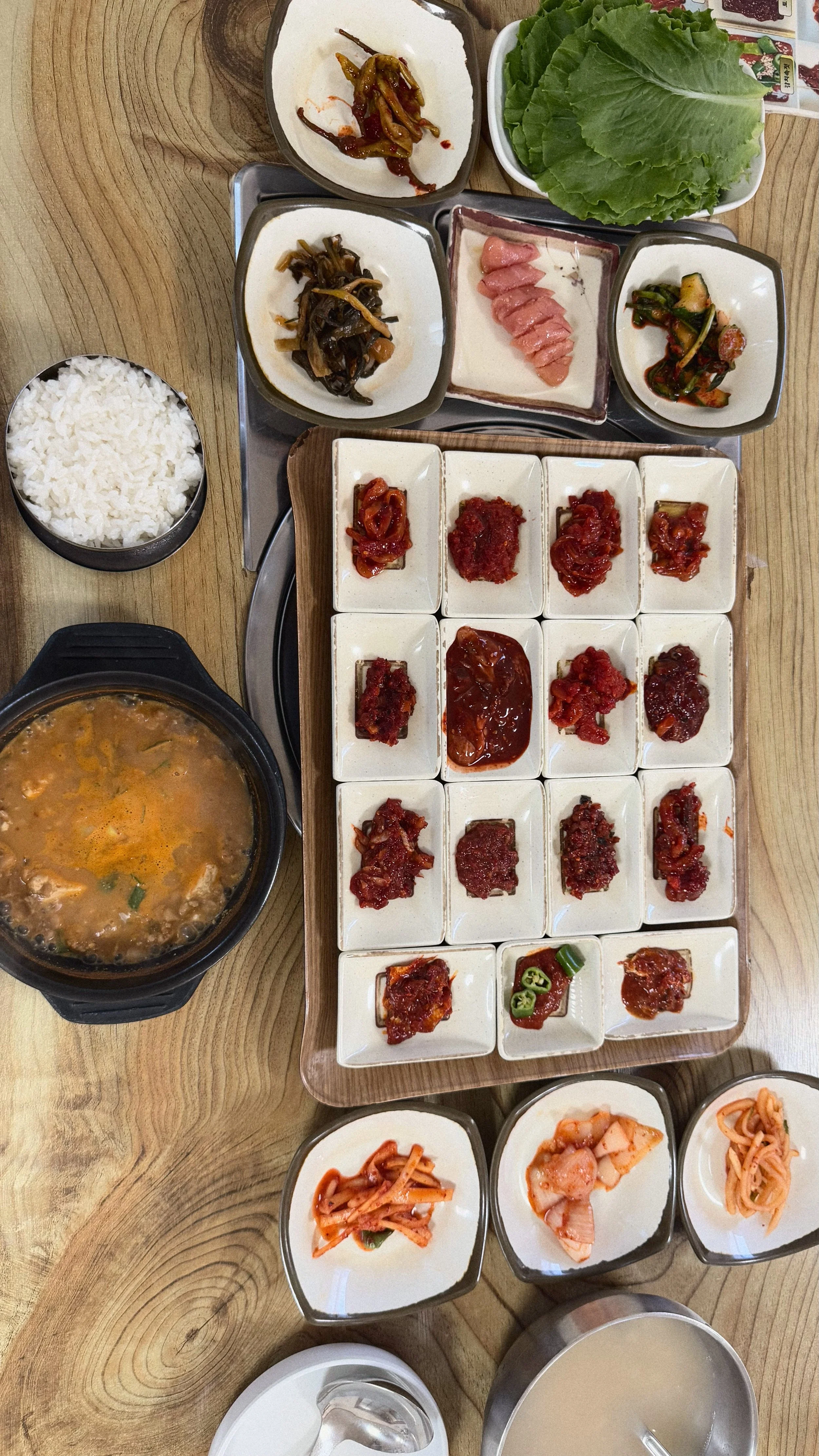
But something interesting happens when you use just a little. A spoonful can transform a bowl of rice or add depth to a batch of kimchi. The seafood that once swam in Korean waters becomes part of the seasoning that helps preserve vegetables grown on land.
The sea meets the field, right there in a jar. That was something I hadn't fully appreciated before visiting Gangyeong. The same idea runs through so much of Korean fermentation. Different regions learned to work with what their land and waters provided, using salt, microorganisms, and time to make food last and develop new flavors.
What began as a practical way to prepare for another season eventually became part of how an entire country eats.
What really gets passed down
In Sunchang, I made gochujang alongside Master Kang Soon-ok, a Korean food master who has spent years perfecting her craft. After making the paste, we used it to cook tteokbokki together. I'd eaten tteokbokki countless times before. But making it with someone who knew the ingredients so intimately gave me a different appreciation for that familiar dish.
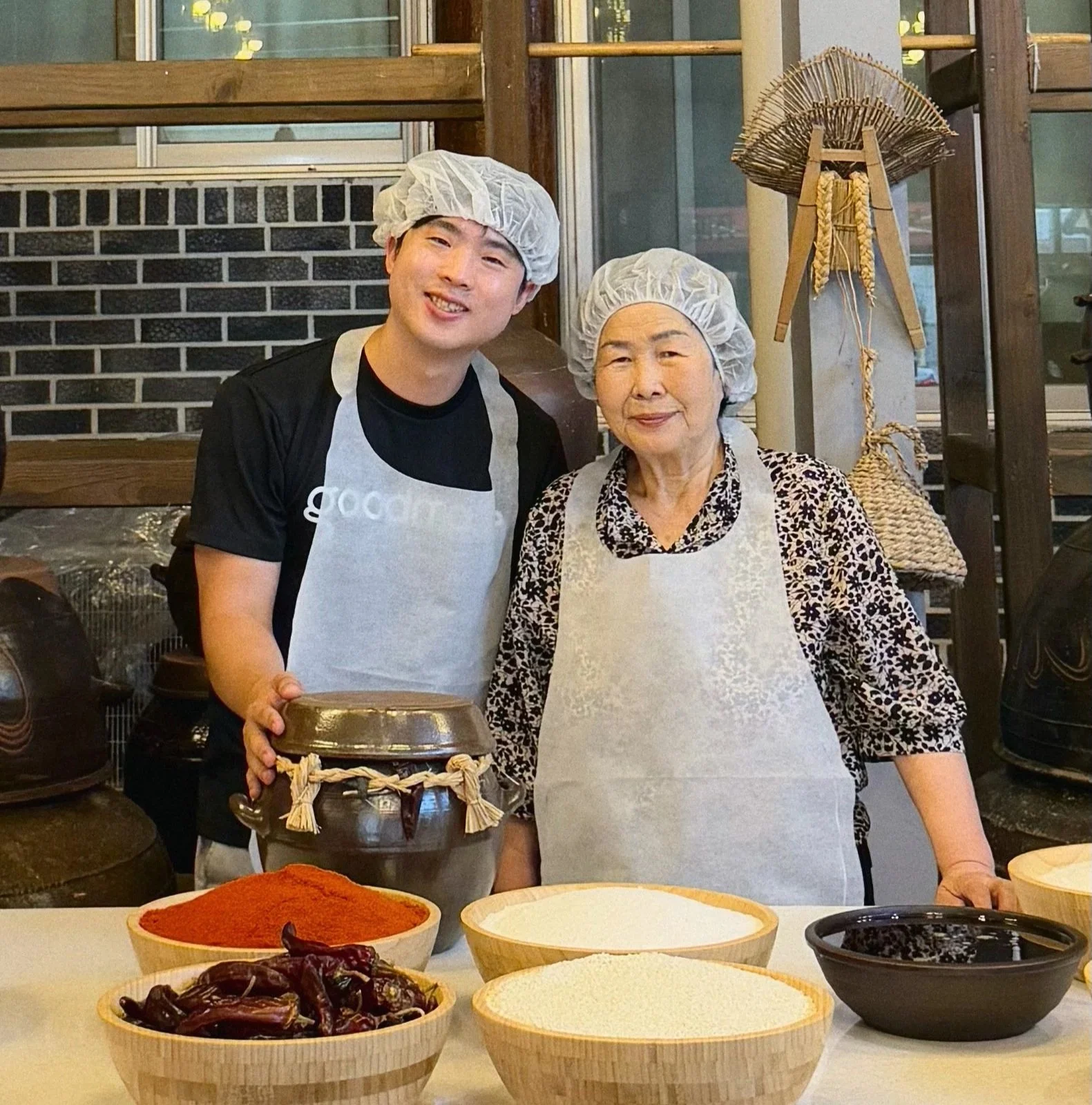
It made me realize something. We often talk about preserving traditional food as if the most important thing is keeping the recipe exactly the same. But a recipe alone cannot tell you everything. It doesn't always explain why someone prefers one ingredient over another, how they recognize the right smell, or when years of experience tell them something is ready.
Those things live in people. Of course, most of us don't spend months making our own jang anymore. We buy doenjang and kimchi at supermarkets, and there's nothing wrong with that. Convenience is part of modern Korean life, too. Tradition doesn't mean everyone must return to making everything by hand. But perhaps it does mean remembering the people who still know how, and making sure there's someone willing to learn from them.
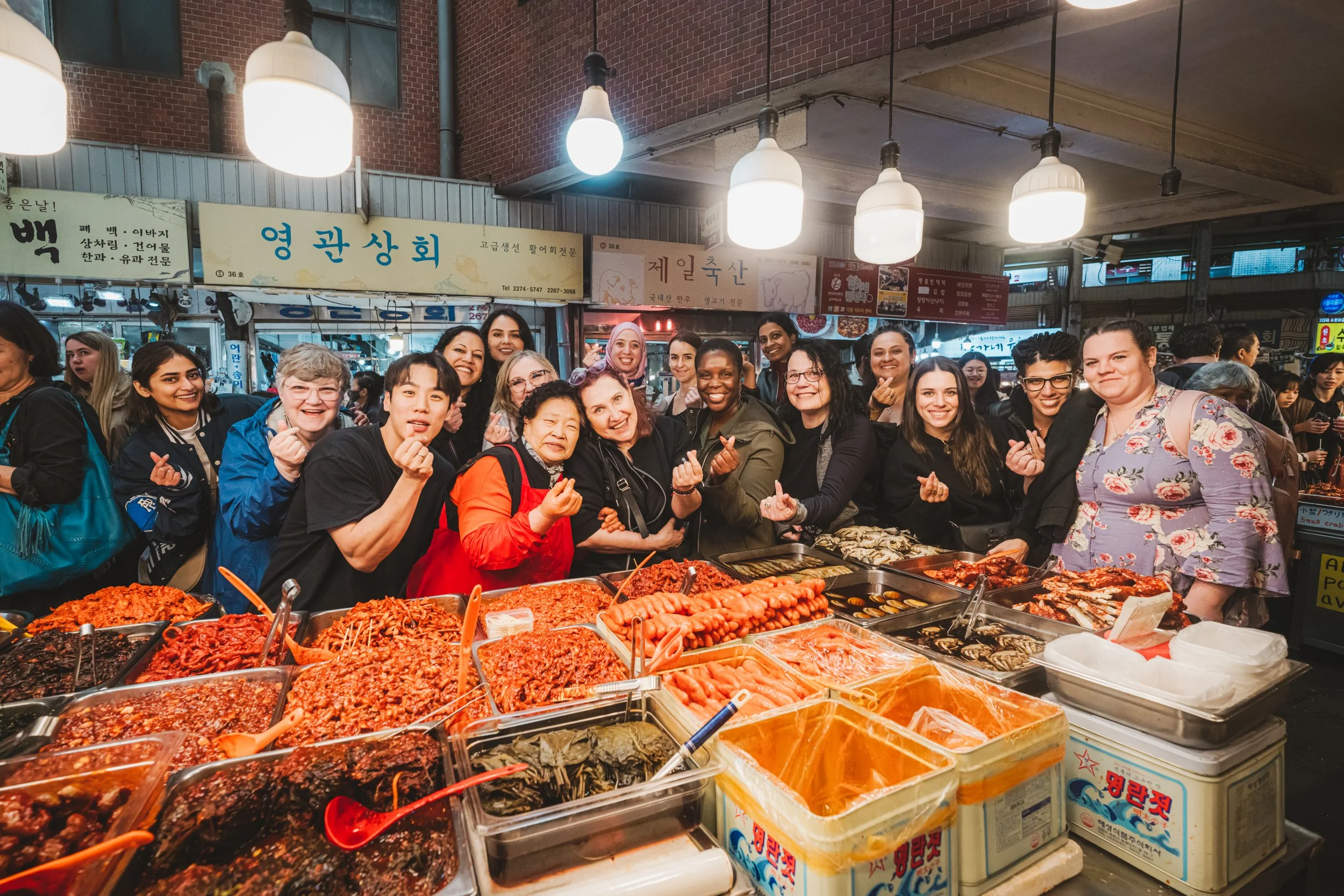
On the way home, I kept thinking about the people I'd met. How they always had one more thing to show me, one more story to share. I'd gone looking for something delicious to introduce to our future guests. But what stayed with me were the people who had spent years making it.
That's what I hope our guests discover, too. Not just a new flavor, but the person behind it. Because when someone welcomes you into their world and shares something they've spent years learning, you're receiving much more than food.
You're being given a little of their time. And that's something worth traveling for. It's also the kind of Korea we hope to share on our Korea Discovery Tour. Beyond the famous sights, we want you to meet the people, hear their stories, and experience the warmth that makes a place feel special. We'd love to save you a seat at our table.
