
Seoul After Dark: Juno | The Stage Changed
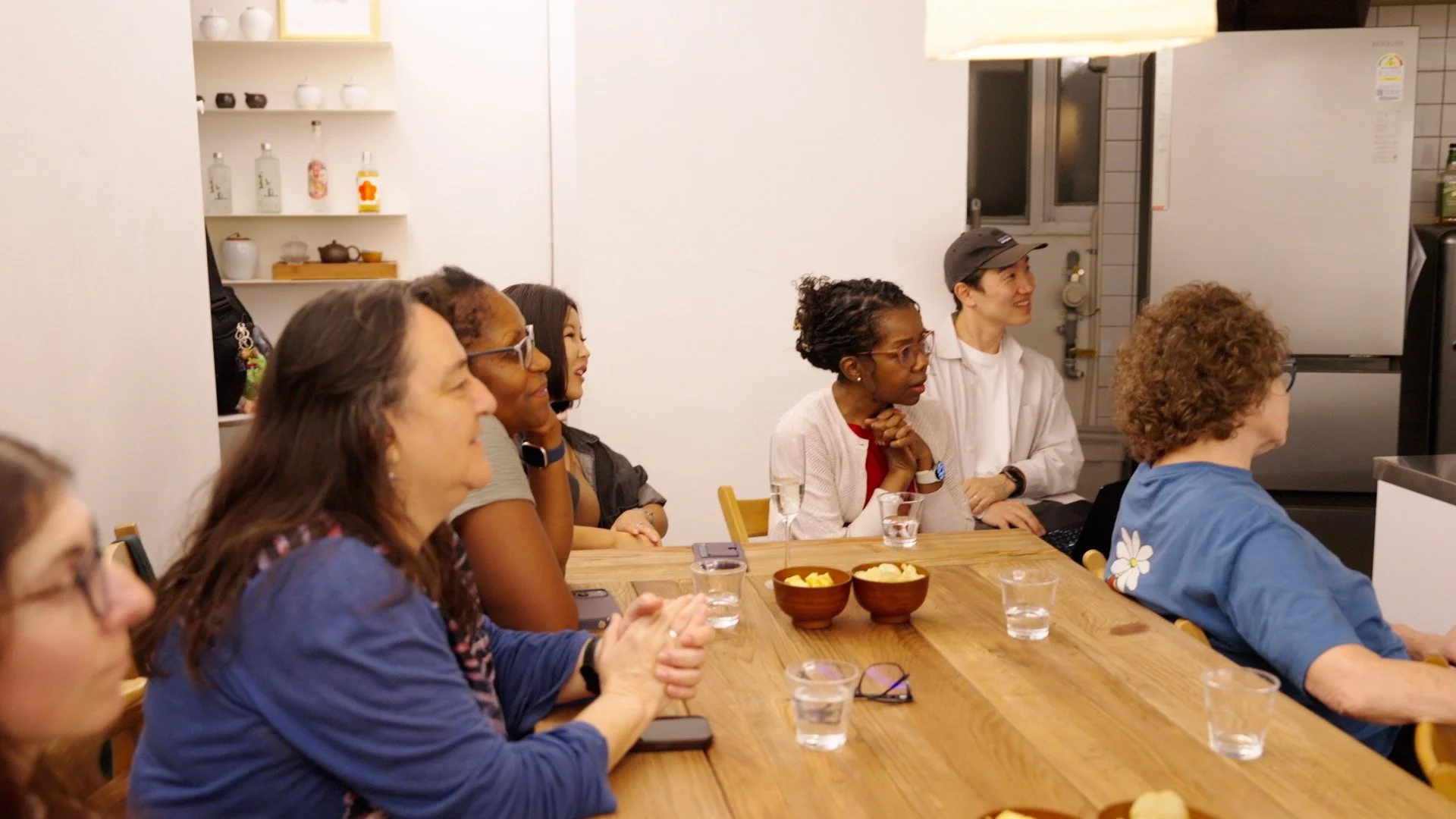
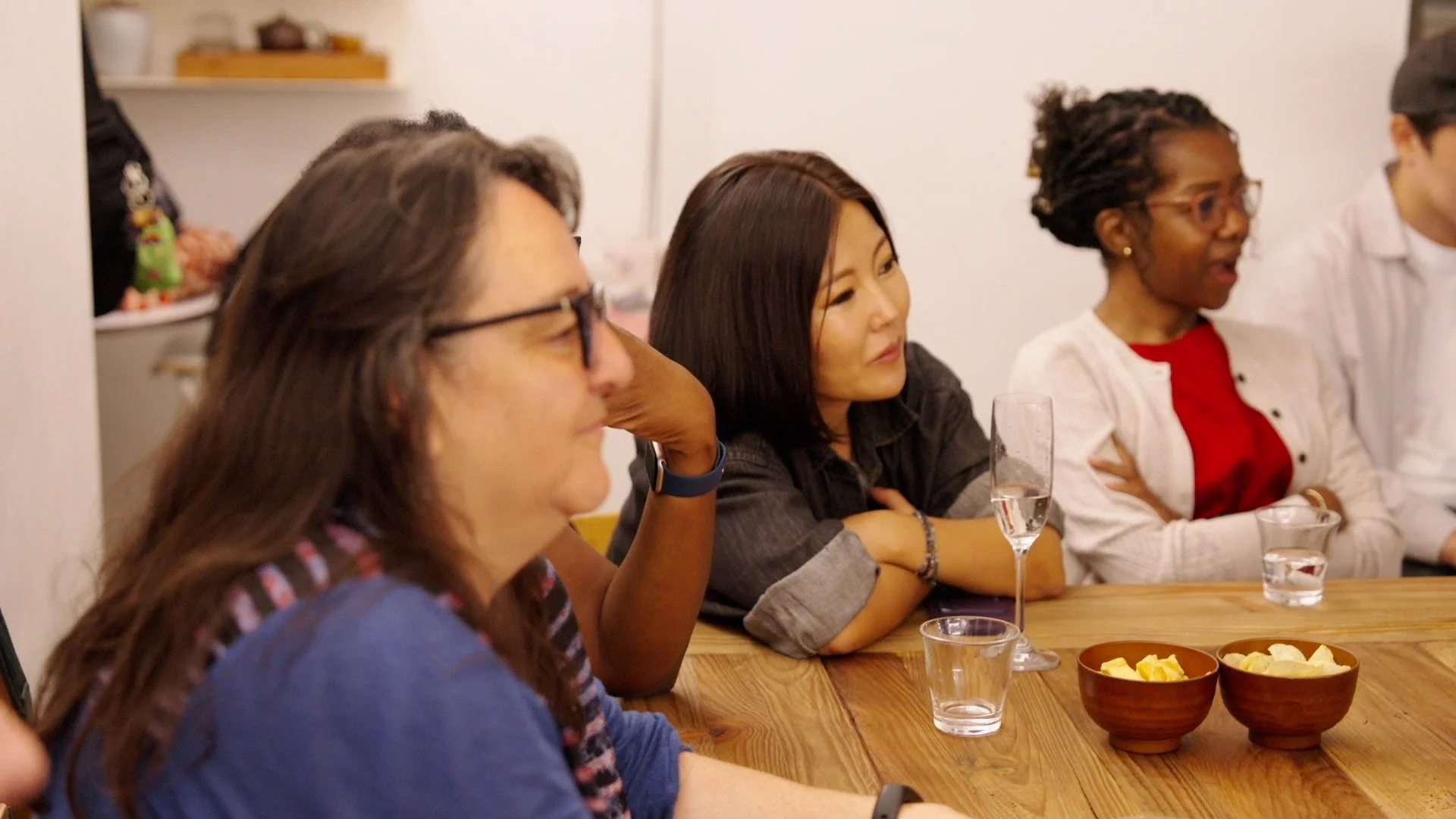
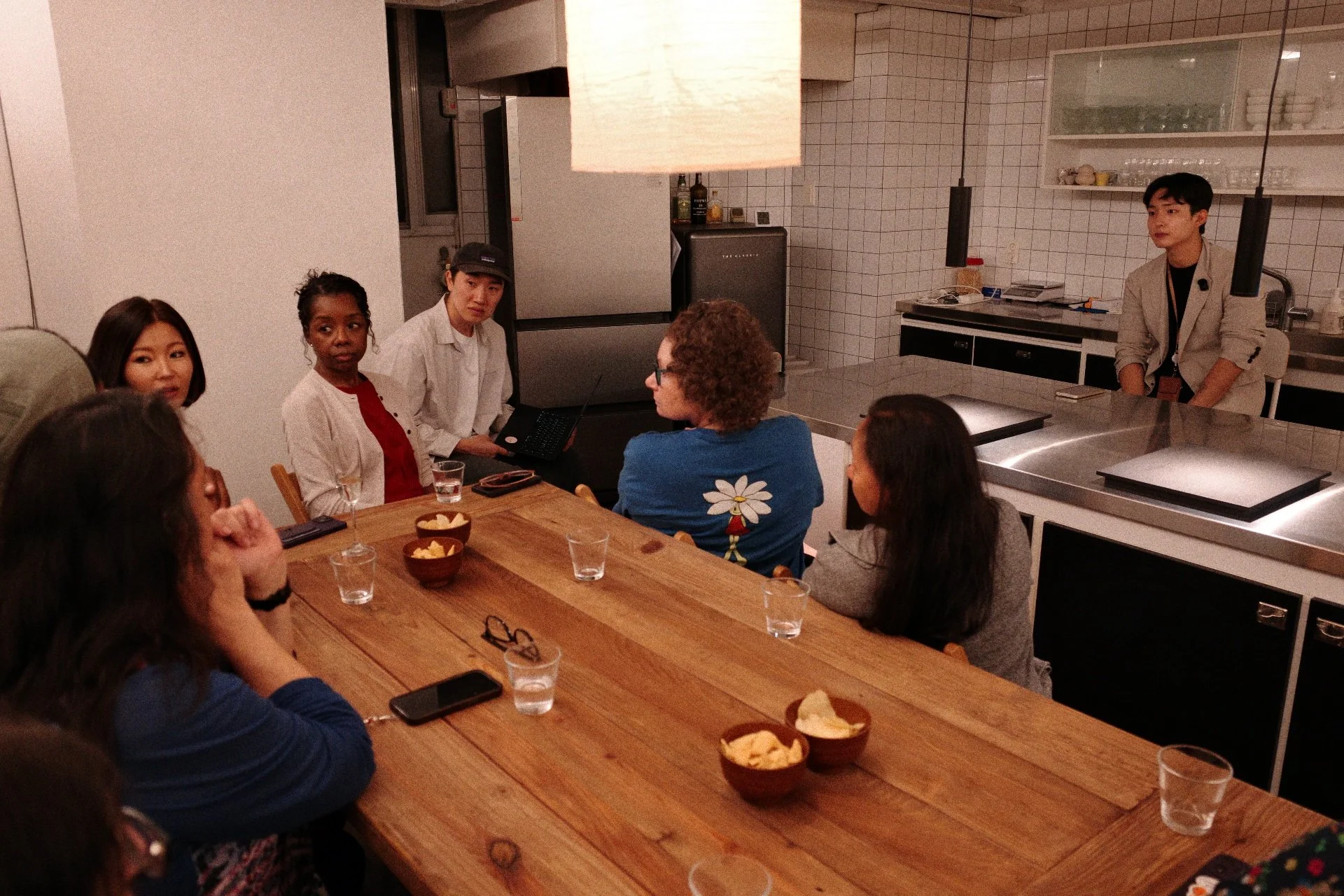
On a Friday night in Seoul, nine guests gathered in Common Area, drinks in hand, listening to a story most travelers never get to hear. There was no stage. No ranking. No camera deciding which moment would be shown later. Just one person sitting in front of a small group, opening a part of his life that had usually stayed behind the scenes.
That is what Seoul After Dark was created for.
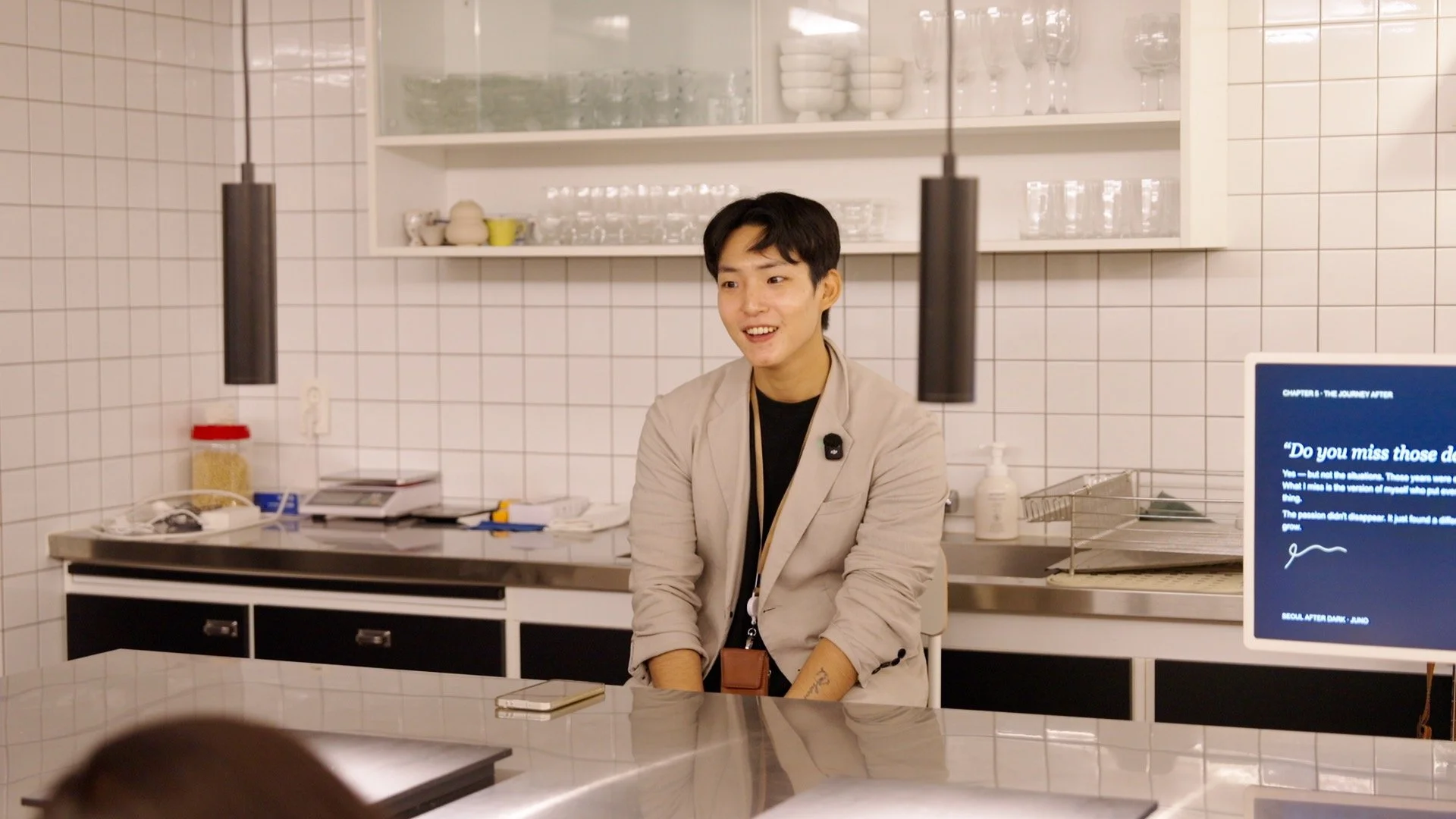
Some of the most memorable moments when we travel do not come from places. They come from the people we meet, the questions we ask, and the conversations that stay with us long after the night ends. Seoul After Dark is our way of making space for those conversations. One guest. A small group. A drink. And an honest story from someone you might not normally get the chance to meet in Korea.
This time, that person was Juno.
If you have joined one of our tours, you may know him as a Goodmate host. He is warm, funny, thoughtful, and often a little shy when the attention turns toward him. He is the kind of person who makes a group feel comfortable before anyone realizes they have relaxed. But before Juno became a tour guide, he had another dream.
He was a K-pop trainee.
The story behind the stage
Most of us meet K-pop from a distance. We see the music videos, the choreography, the costumes, the perfectly timed performances. We see idols under bright lights, moving as if the whole thing was always meant to happen. But before anyone becomes the person on stage, there is another version of the story. The auditions. The practice rooms. The monthly evaluations. The rankings. The corrections. The long nights. The fear that all your effort may still not be enough.
Juno entered that world when he was young. His first reason for singing was simple and very human: he wanted to impress someone he liked. He sang at school, people reacted, and something opened in him. What began as a teenage feeling slowly became more serious. He joined a music academy. He auditioned. He failed. He tried again. He passed.
At 18, he became a trainee.
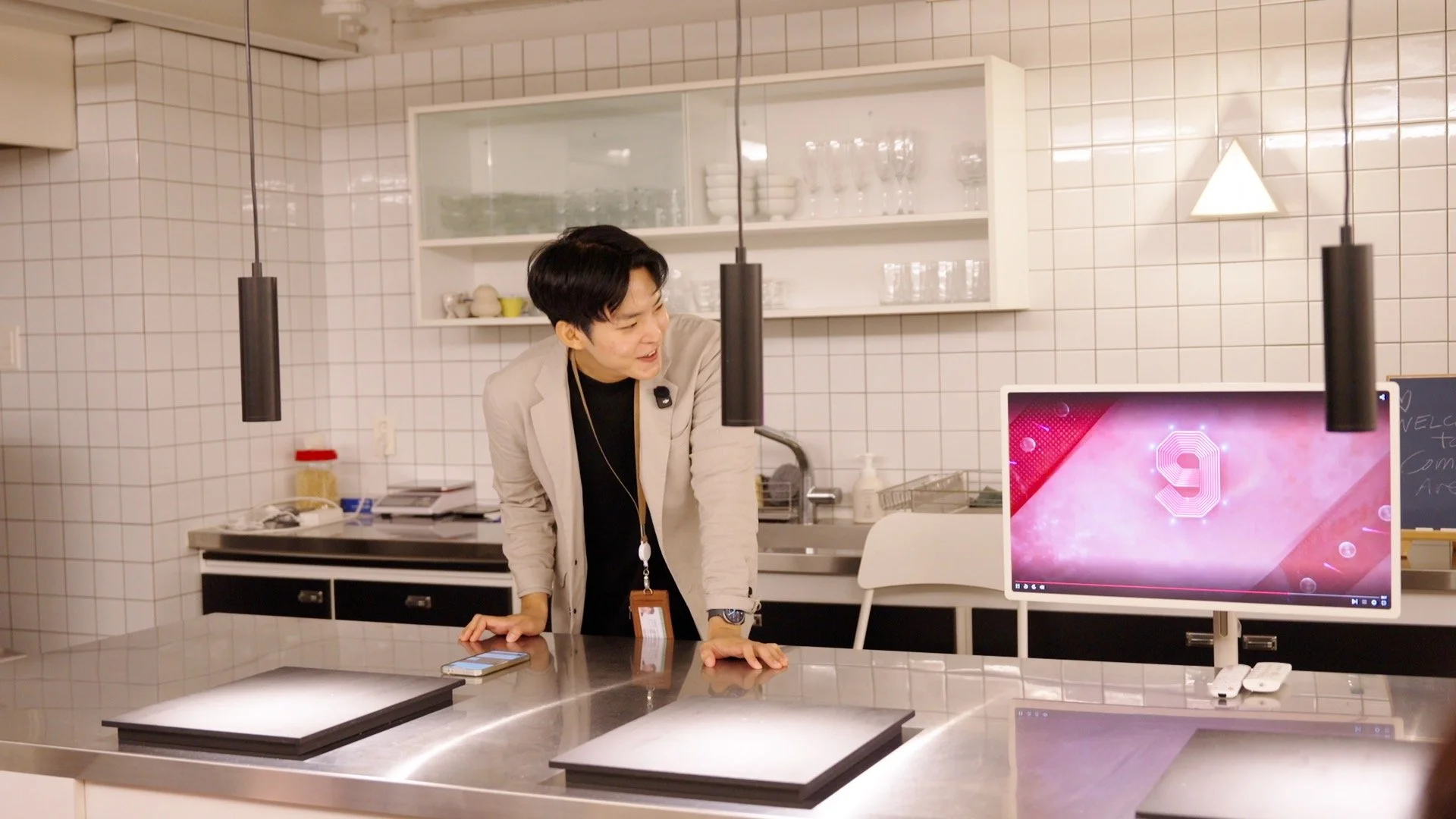
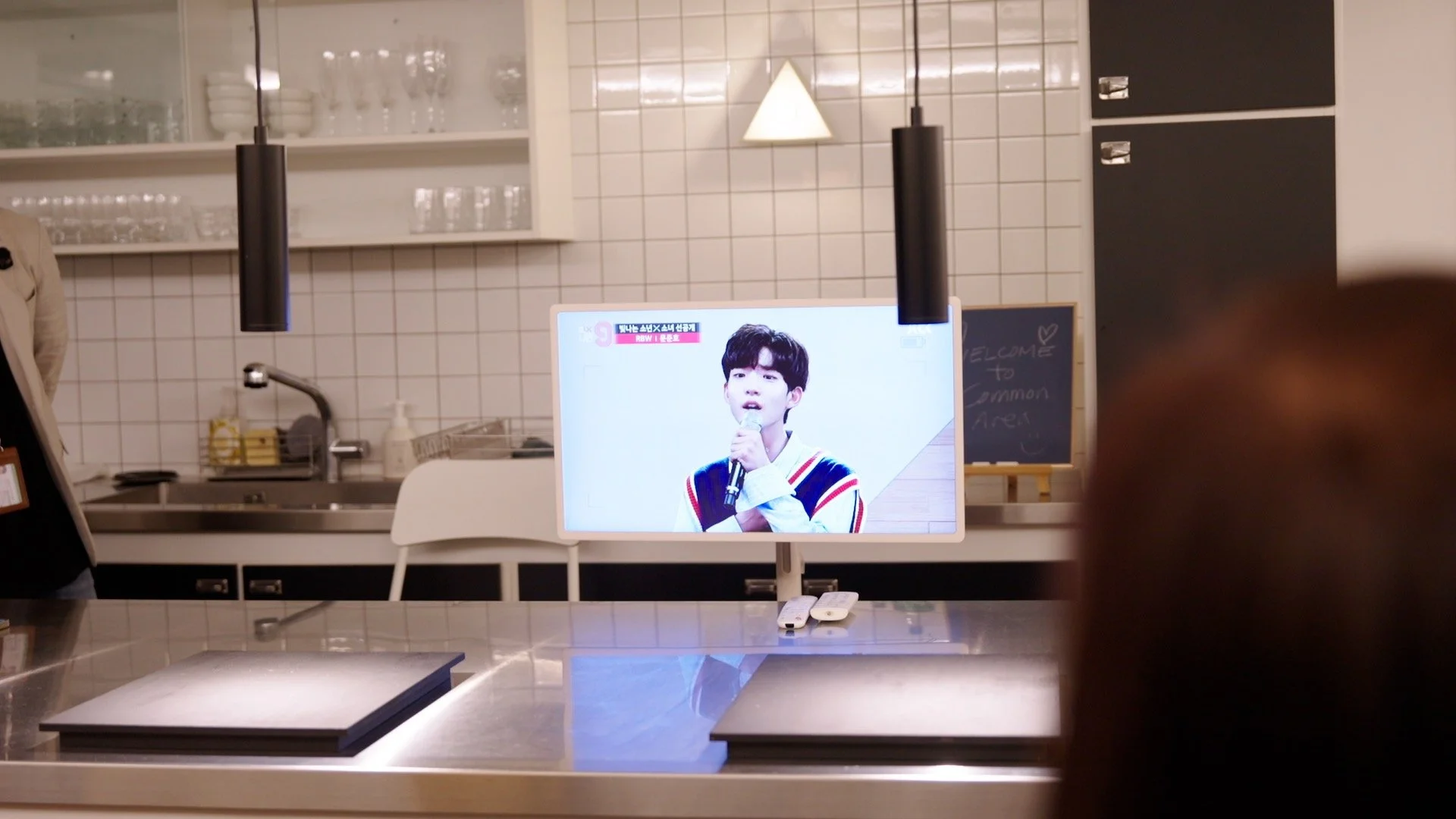
And almost immediately, he learned that talent was only the beginning. He could sing, but dancing was another story. At one audition, when music started playing and he was asked to dance, he mostly clapped along. Even years later, telling the story in front of our guests, he laughed at himself. It was funny because it was honest.
But the training itself was not light. Inside the company, everything became practice. Singing, dancing, performing, being watched, being corrected, being compared. There were people who had already appeared on survival shows, people who had fans, people who seemed much closer to debut. But inside the practice room, everyone was still competing. Recognition did not mean safety. Fame did not mean rest.
For many travelers, K-pop is one of the reasons Korea first enters their imagination. It is colorful, emotional, polished, and powerful. But sitting with Juno that night, it became something else too. It became human.
When a dream gets close
Juno eventually appeared on survival programs, including MIXNINE and Produce X 101. For viewers, survival shows can feel exciting. There are performances, rankings, tears, and eliminations. But for the people inside them, those moments are tied to years of practice, family expectations, sleepless nights, and the hope that one stage could change everything.
At one point on Produce X 101, Juno received the lowest grade and thought his journey might end there. He was exhausted, disappointed, and surrounded by other trainees who were just as desperate.
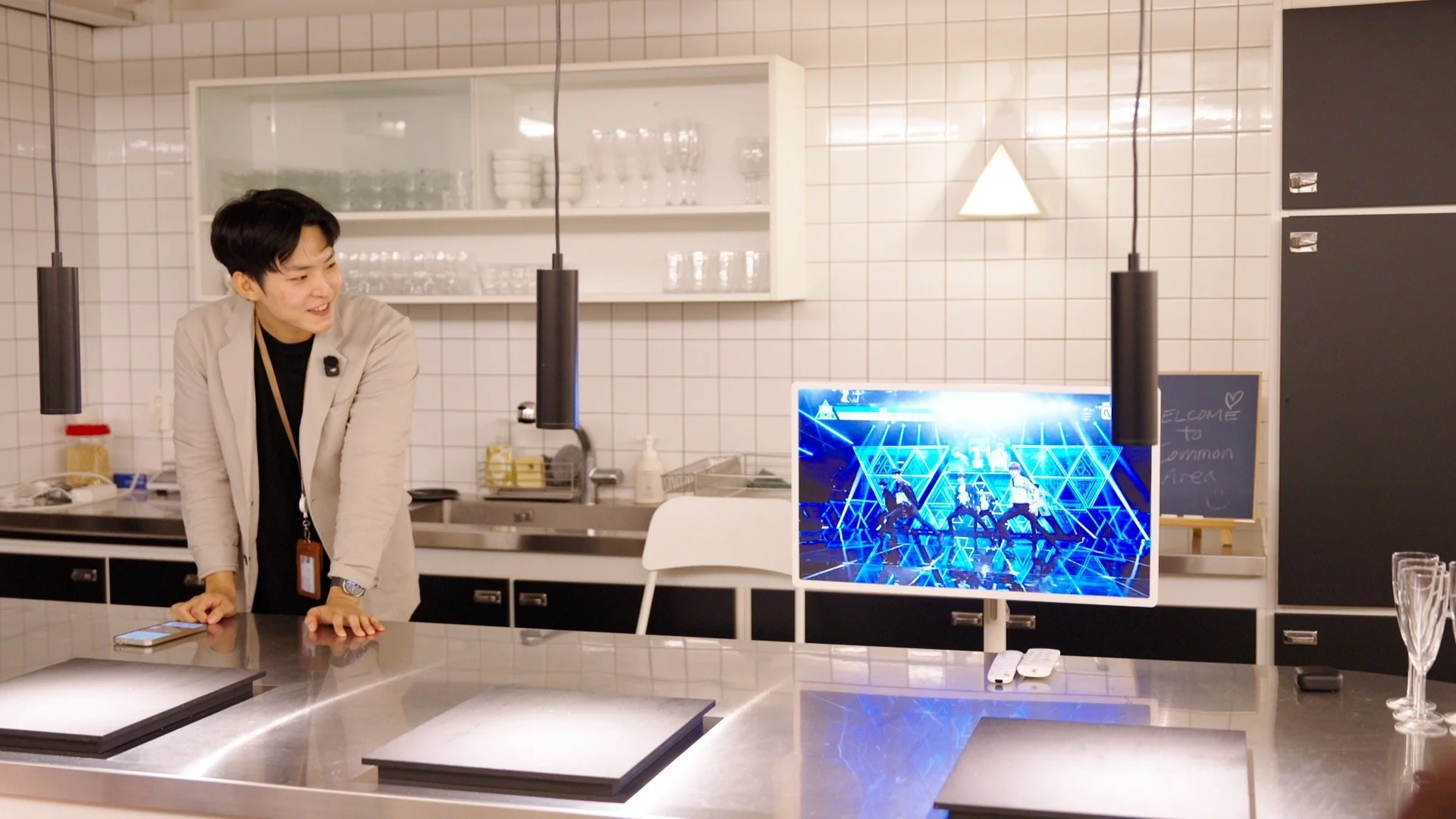
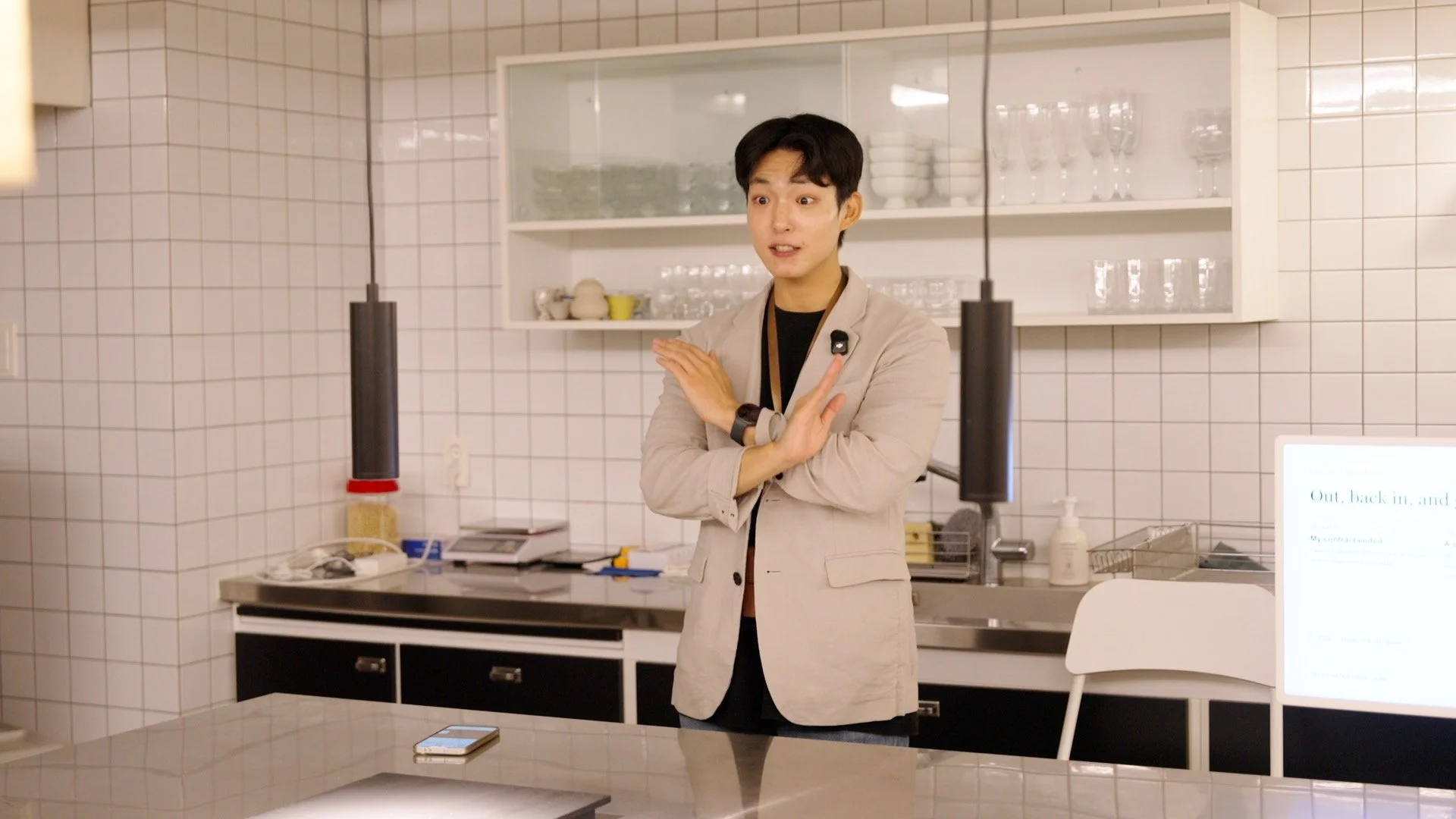
Then came another chance. He stayed. He performed. He stood on a real stage in front of real people.
For someone who had spent so much time practicing, that moment mattered. It was proof that the dream had not disappeared yet. But survival shows move quickly. Rankings fall. Friends leave. Some people survive to the next round, while others pack their things and go home. A stage can feel like a beginning for one person and an ending for someone else.
Near the end of his time on the show, Juno chose a song called To My Youth for a redemption stage. He said the song carried what he felt then: insecurity, desperation, frustration, and somewhere inside it all, hope. Hope that he could stand again. Then his time on the program ended.
Walking away from something you still love
After the show, Juno had to make a decision. Should he keep training, or should he choose a different path?
For a short time, people recognized him. Fans came to see him when he busked in Hongdae. The dream still seemed close. Then, after a couple of weeks, the attention faded. He still loved music. He still loved singing.
But he also had to think about his future. His voice had changed. His body had changed. Military service was ahead. His twenties were beginning, and one decision could shape many years of his life.
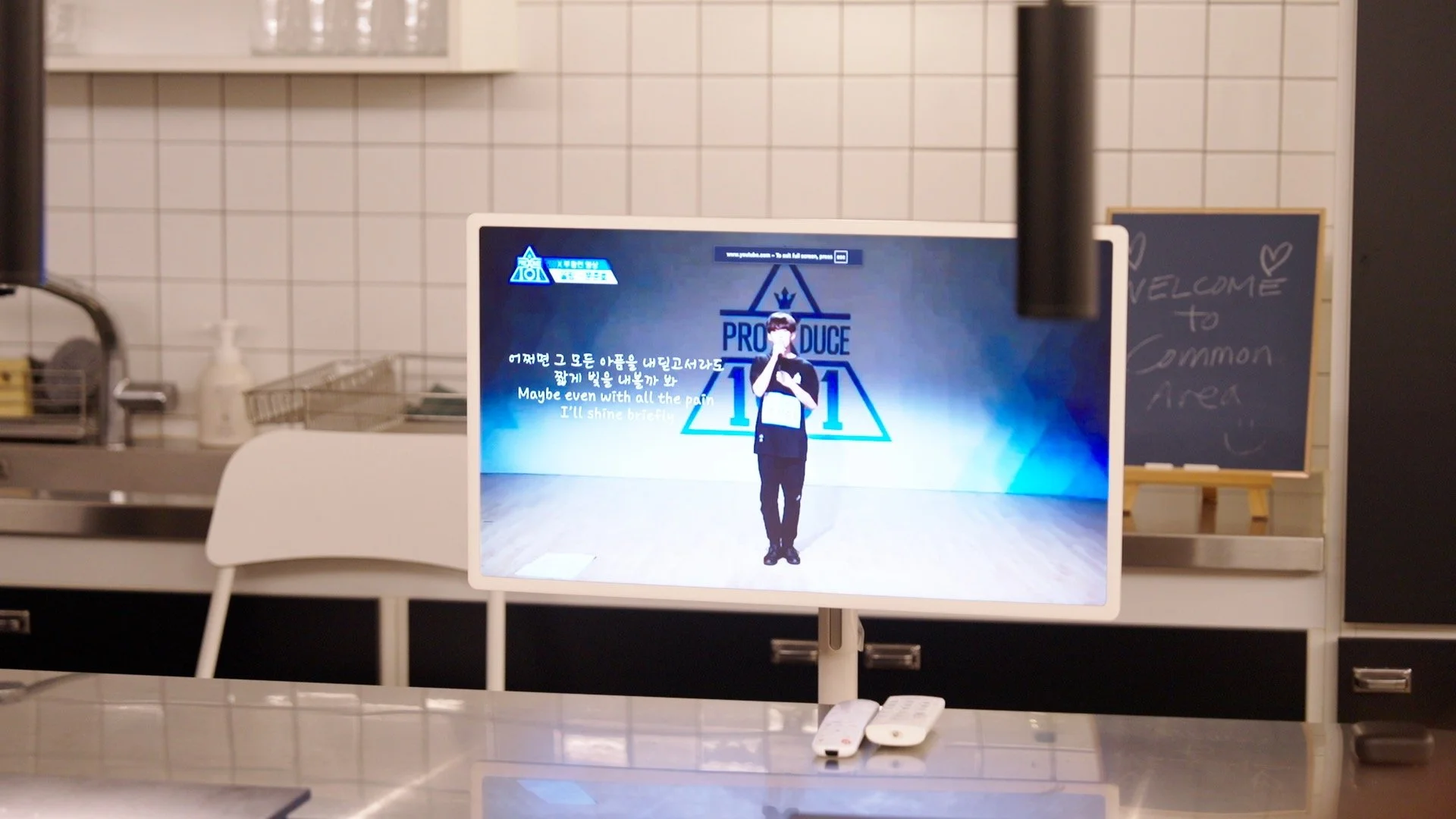
So he stepped away from the dream of becoming a K-pop idol. Before closing that chapter, he released a single album. It was not a grand finale. It was more like a small confession. A way of saying that music had still mattered, even if the path had changed.
That part stayed with me. Because not every dream ends because we stop loving it. Sometimes we walk away from something we still love because we are trying to find a life we can actually live.
The new stage
After leaving the trainee path, Juno began asking himself a different question. If he was no longer chasing the stage he had imagined, where else could that part of him go?
There was one thing he could not leave behind: standing in front of people. He still wanted to share. To speak. To create a moment. To help people feel something they might remember later. That is when becoming a tour guide began to make sense.
At first, it may seem like a very different life. A K-pop trainee and a tour guide do not look like the same path. One belongs to practice rooms and television studios. The other belongs to markets, streets, buses, restaurants, and small groups of travelers.
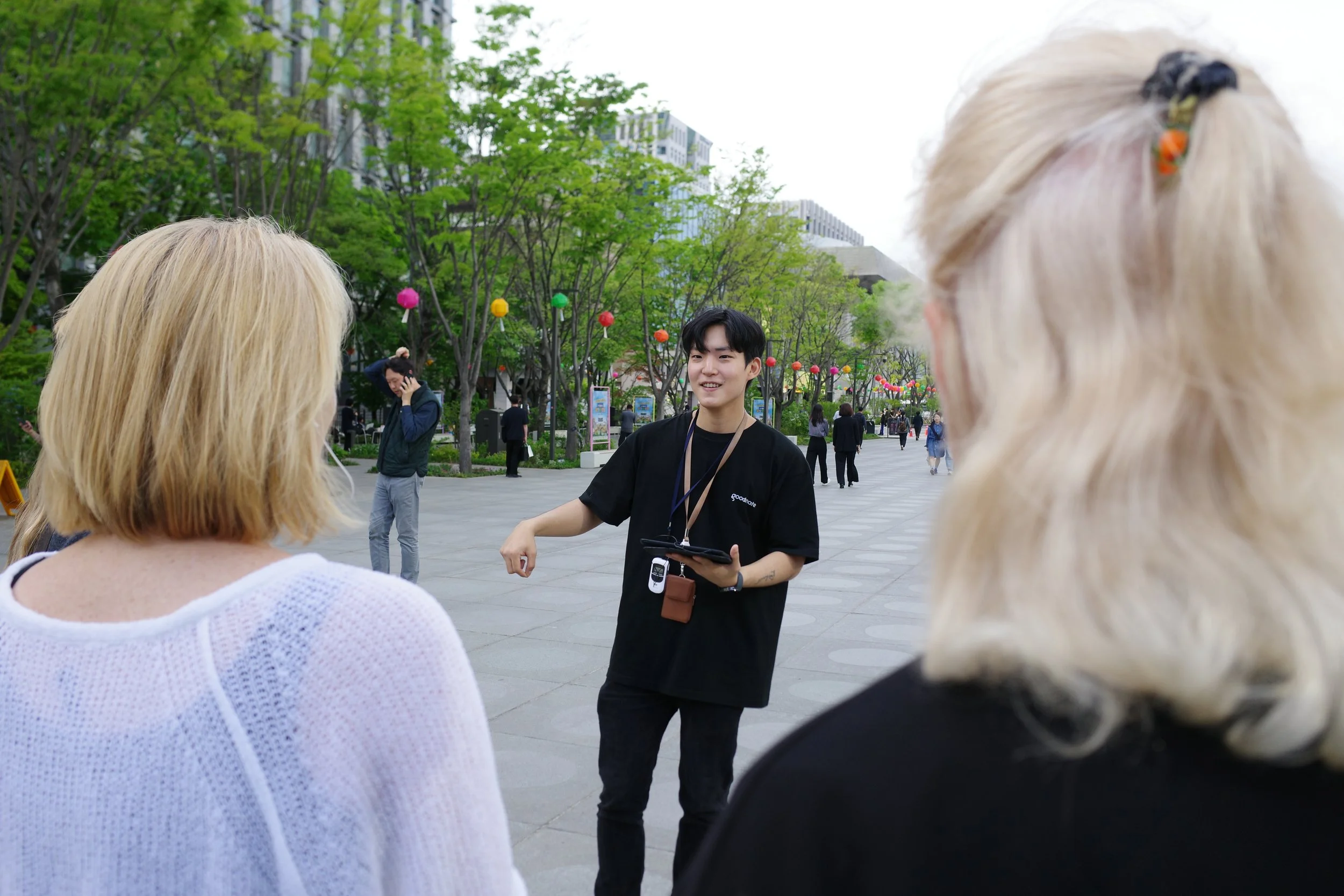
But as Juno spoke, the connection became clear. Both are about standing in front of people. Both ask you to give your energy to a room. Both can turn an ordinary moment into something someone remembers.
The stage had changed. Now, instead of performing for judges, he stands in front of guests. Instead of waiting for a ranking, he watches people discover Korea in real time. That night, Juno said people often ask if he misses his trainee days. His answer is yes, but not for the reason people might think.
He does not miss the pressure or uncertainty. What he misses is the version of himself who poured everything into one dream. The younger version of himself who carried passion, frustration, hope, and effort without knowing how the story would end. That feeling did not disappear. It simply found a new place to go.
A room, a guitar, and a quiet song
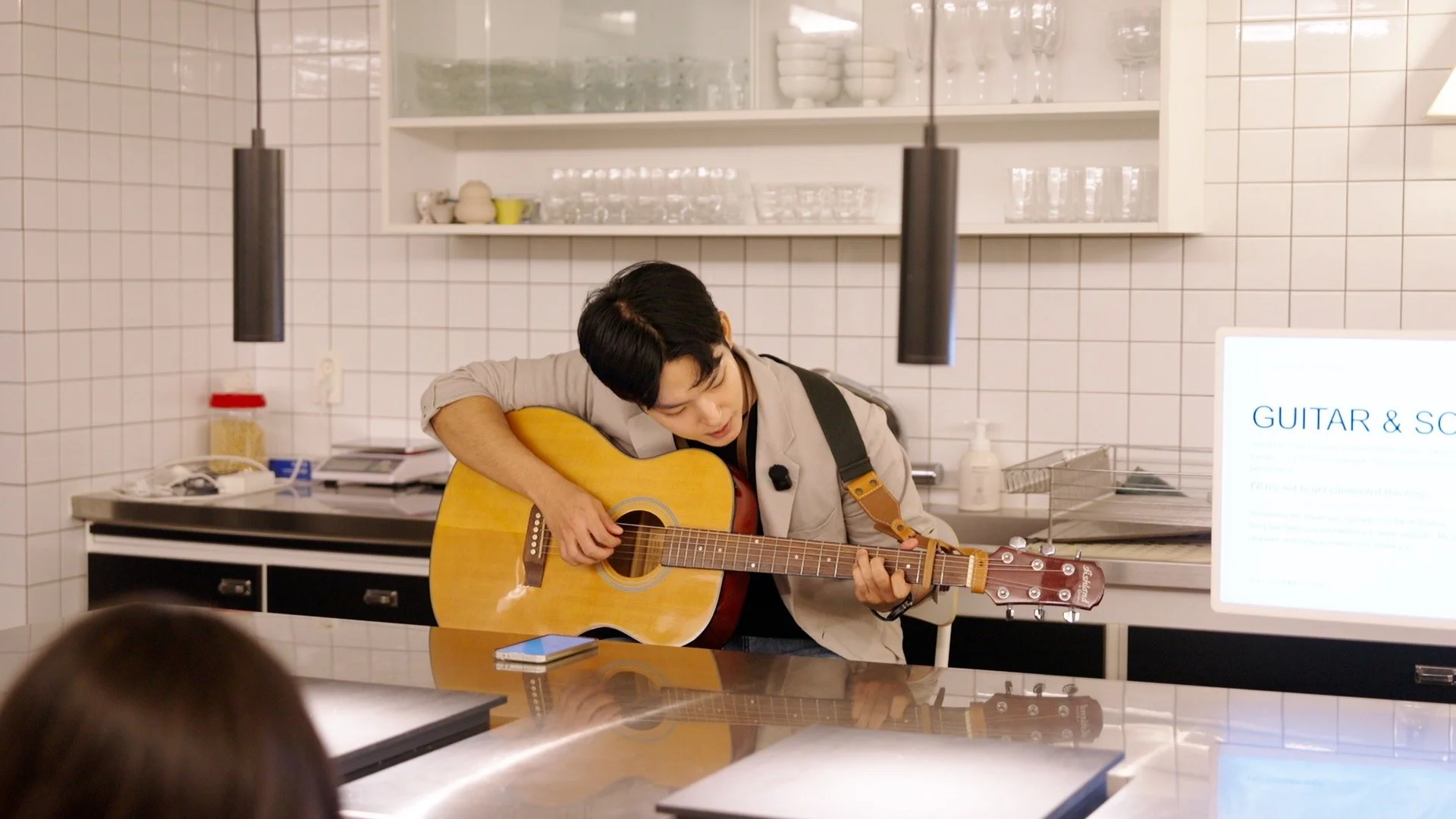
Toward the end of the evening, Juno picked up a guitar. He had not sung in front of a group like that for years. Before he started, he laughed nervously and told everyone to lower their expectations. He said his voice was not what it used to be. He said it had been a long time. Then he sang.
The room became quiet in the way rooms do when people are not just listening politely, but really listening. After everything he had shared, the song did not feel like a performance asking to be judged. It felt like a person offering a part of himself.
When he finished, the guests clapped. But the moment did not end with applause. The song carried more than melody. It carried the weight of a person who had lost one dream and still found a way to keep giving.
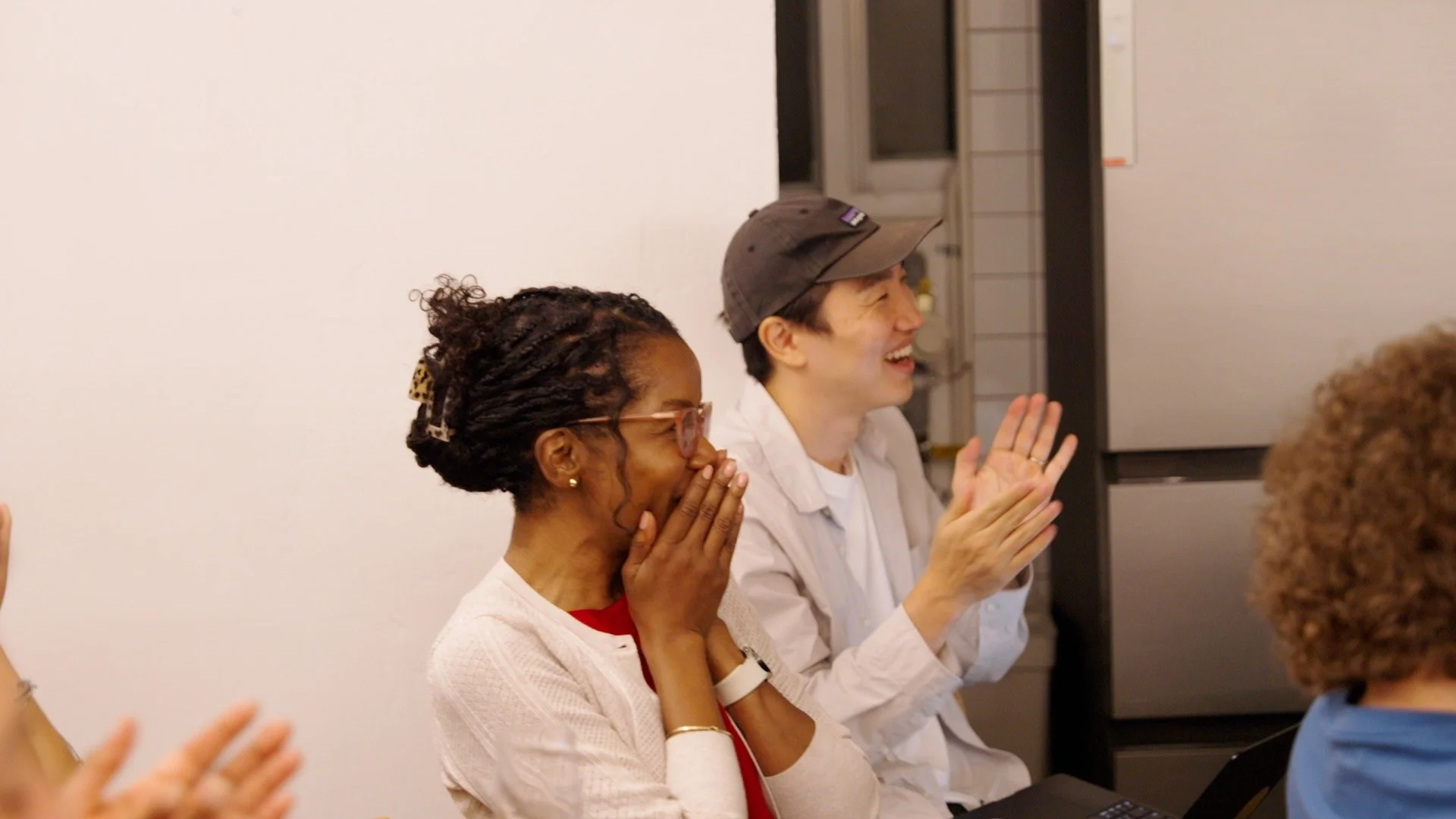
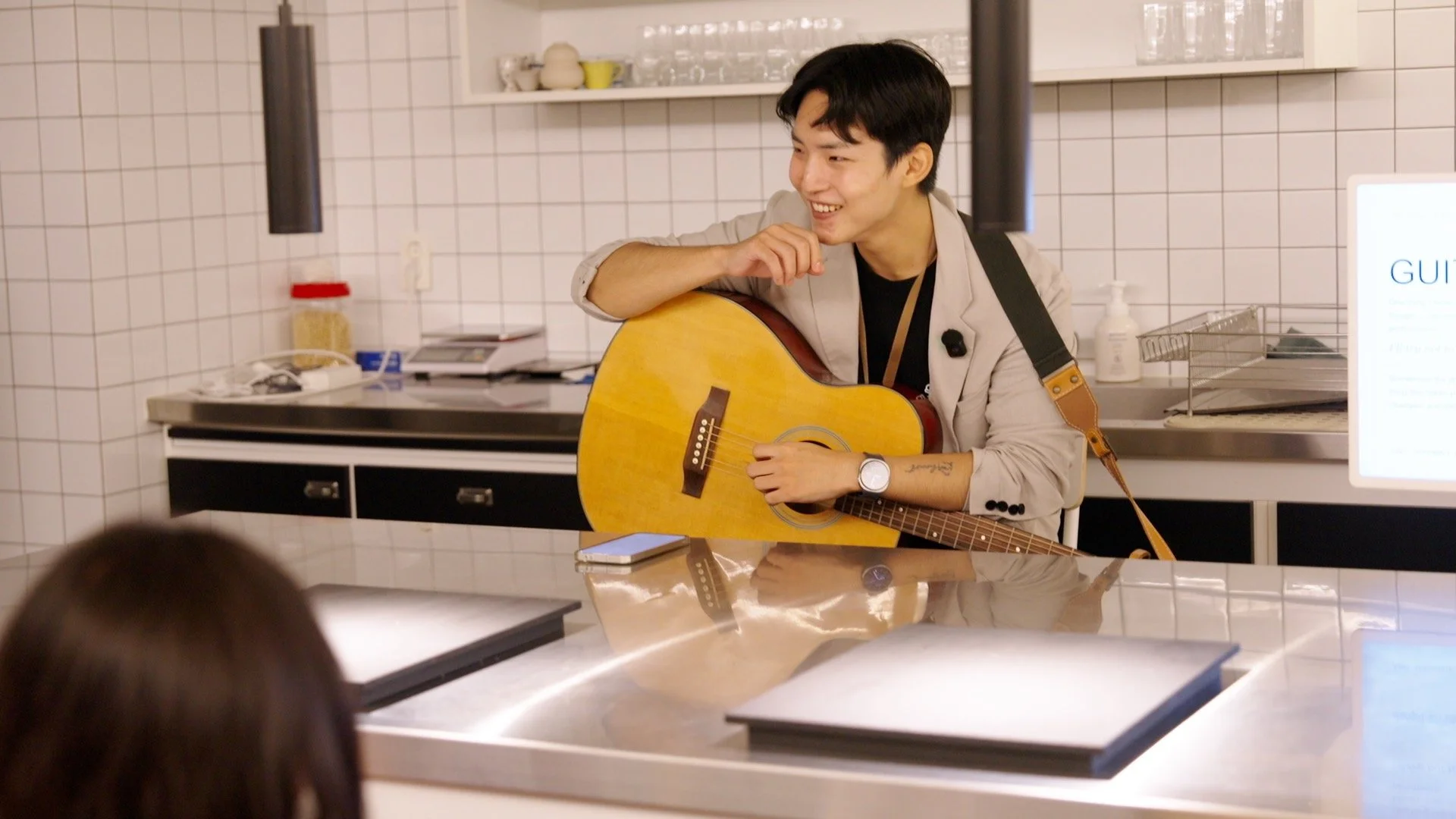
Then the questions began. They asked about trainee life, pressure, friendship, mental health, and what he carried from that time into who he is now. But slowly, the conversation moved beyond K-pop.
It became about the dreams we chase when we are young. The parts of ourselves we miss. The courage it takes to stop. The strange way a dream can end and still leave something useful behind.
That is what Seoul After Dark is really about. Not just hearing a story you could not normally hear, but sitting close enough to realize that someone else’s story may quietly touch your own.
The stories behind the city
Many travelers come to Korea because of what they have seen from far away. A song. A drama. A favorite group. A performance. A scene that made them curious enough to book the flight. Those things matter. They are often the beginning.
But once you arrive, Korea becomes more than the image you had before. It becomes people. It becomes conversations. It becomes the moments when someone opens a door and lets you see a little more than the surface.
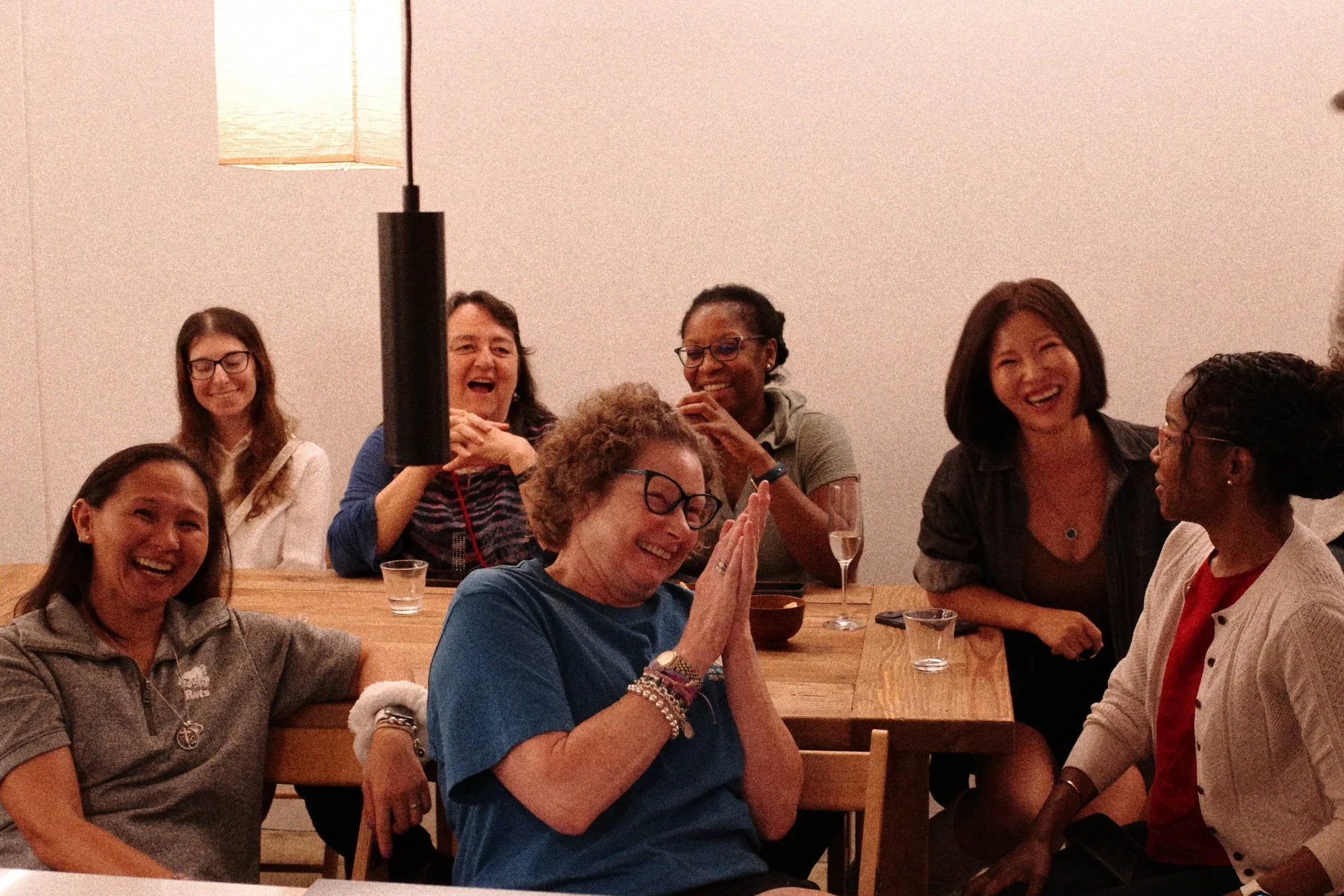
For one night, Juno helped us see K-pop differently. Not as an industry from far away, but as a human story of effort, disappointment, courage, and change.
He did not become the idol he once imagined. But he did become someone who can sit in front of a room, tell the truth about what it took, pick up a guitar after eight years, and make people feel something. Maybe that is another kind of stage.
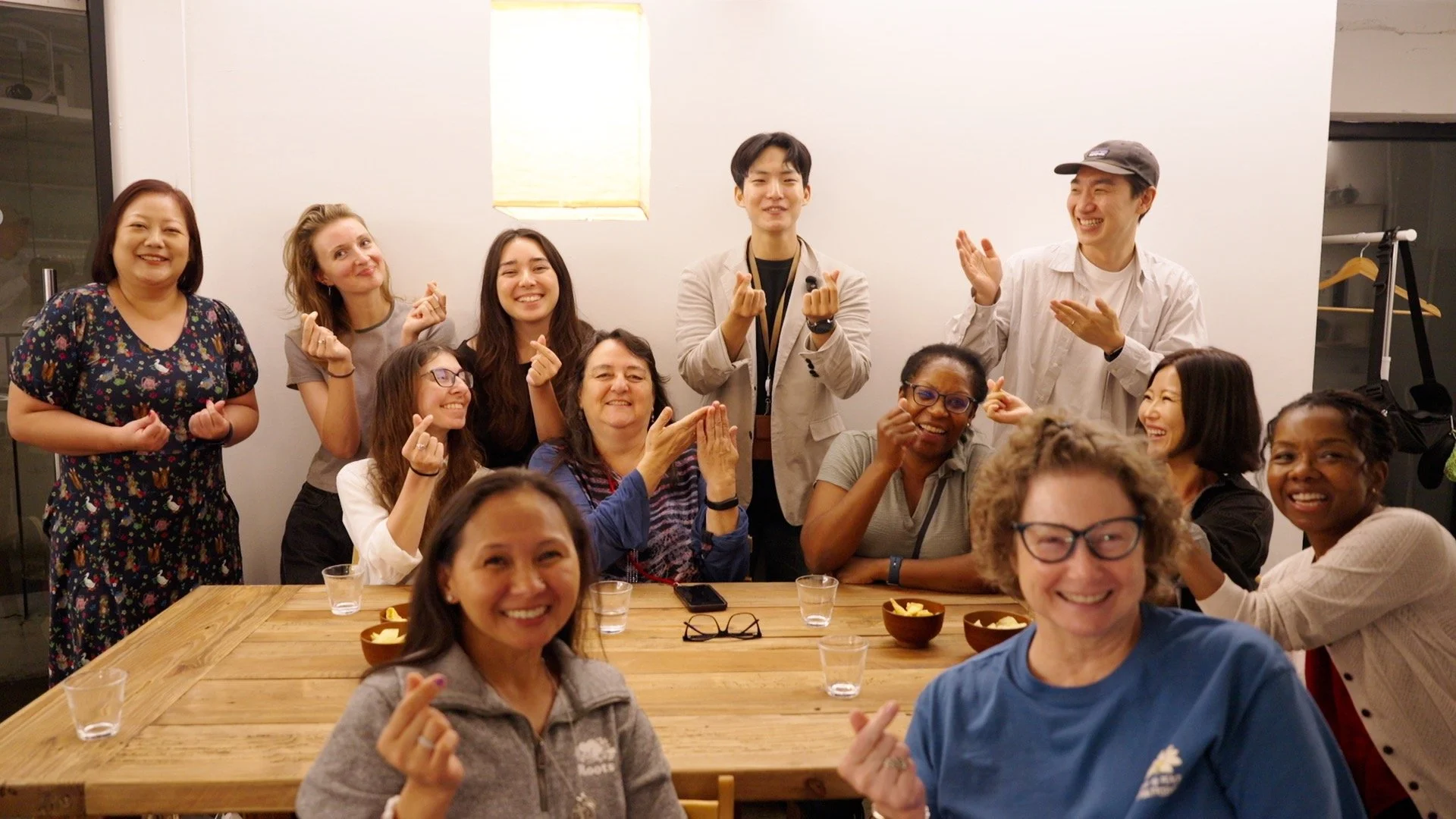
And maybe that is why we travel in the first place. To meet people we would not normally meet. To hear the stories behind the places we visit. To come curious, and leave with something we will remember.
If you would like to experience Korea through the people, conversations, meals, and moments that bring it to life, join us for Seoul After Dark or begin your journey with a Goodmate Travel experience.
