
Field Note: The Korea’s West Coast We Almost Missed
A little over two hours from Seoul, Korea’s west coast is not exactly far. Maybe that is why we had overlooked it for so long. Koreans already know West Coast for its beach, summer crowds, and grilled shellfish. It is close enough for a weekend escape, and easy enough to think we already understand it.
But this time, we wanted to look closer. We were not trying to build a food trip around famous dishes. We wanted to know what kind of journey could begin when we followed ingredients back to the people and places they came from.
We went looking for good food. What we found was that the real flavor of Korea’s west coast rarely begins on a plate. It begins in fields, markets, fishing ports, mudflats, and with the people who have stayed long enough to know them.
We came for the sea. We started with milk.
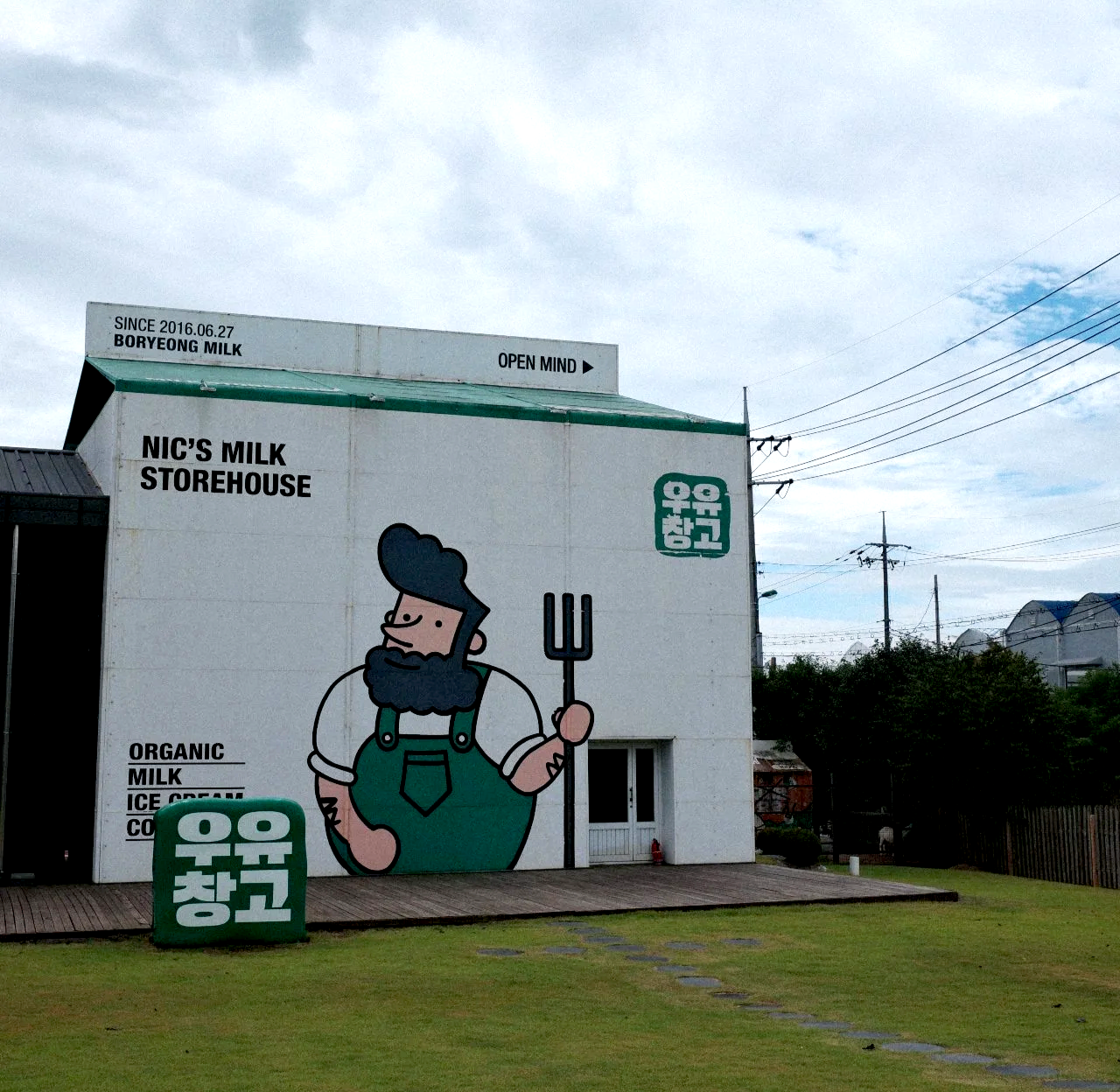
Our first stop did not involve seafood at all. Driving through the countryside, a giant milk carton suddenly appeared in the middle of a green field: Milk Storehouse 우유창고.
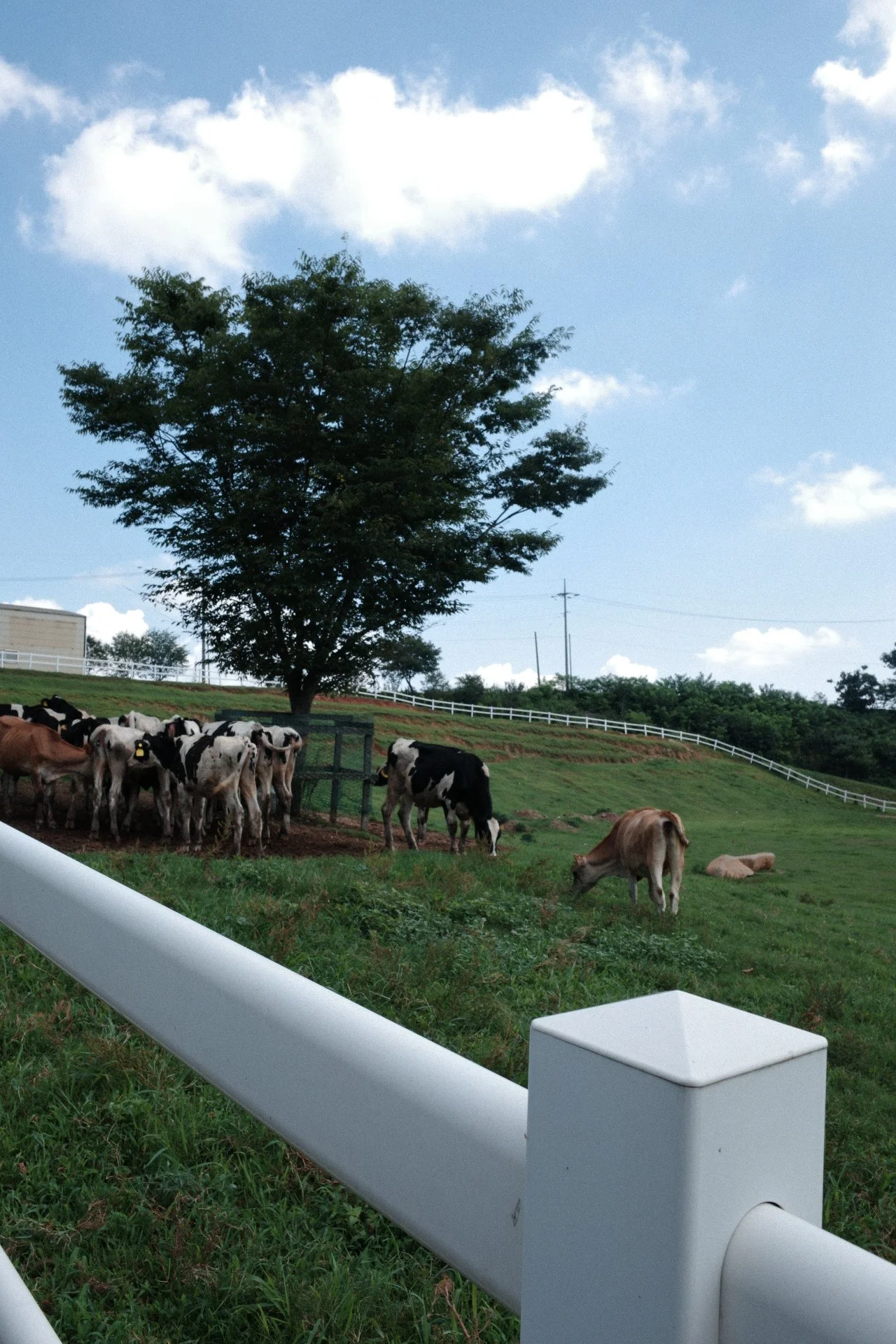
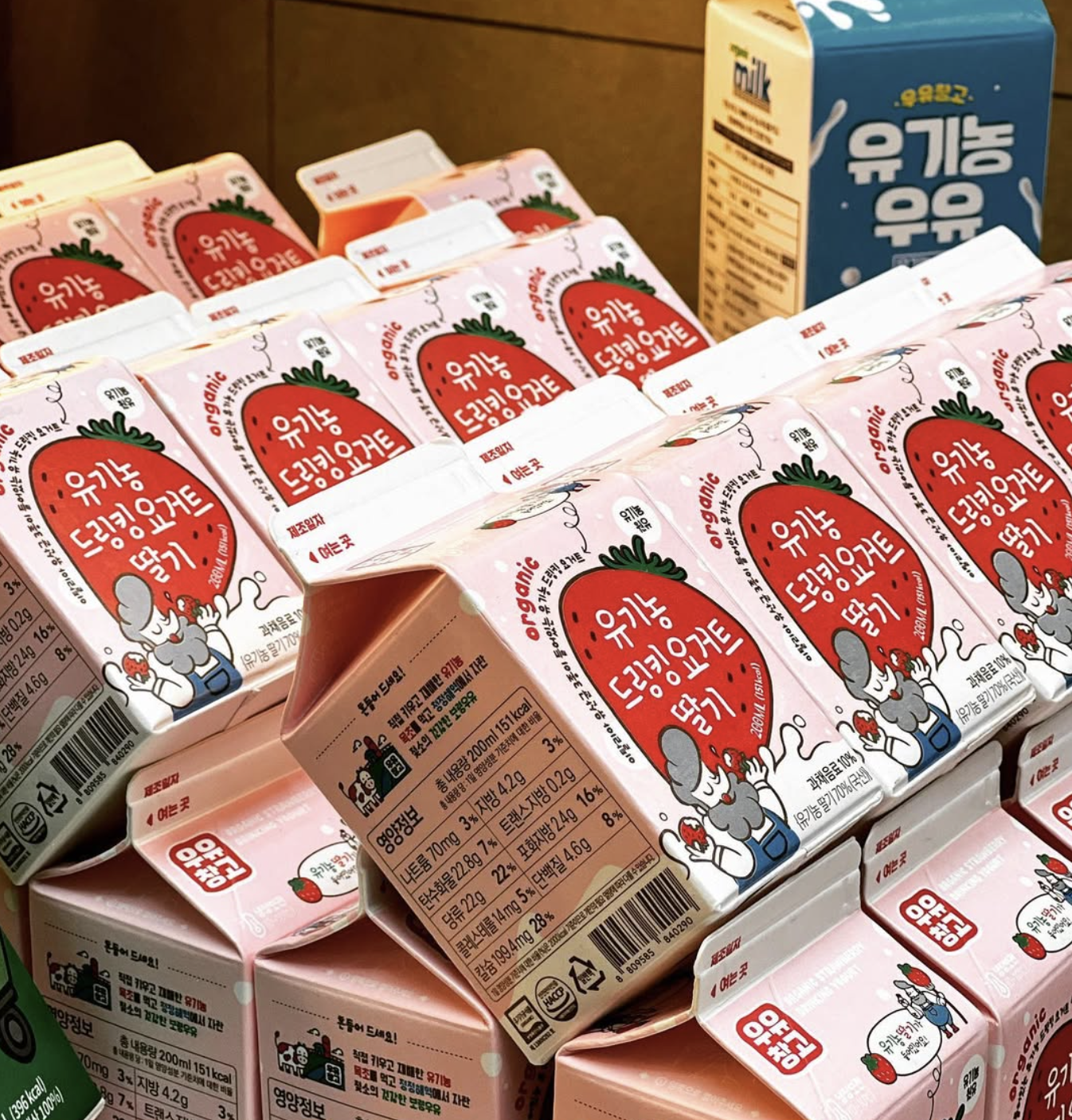
You open the car door and the scene changes. You smell grass and soil. Cows graze nearby. We had come for the sea, but our first lesson came from a farm. We ordered strawberry yogurt made with fresh milk from the dairy farm right next door. It tasted clean, bright, and almost too easy to finish. We liked it so much that we finished one pack on the spot and bought another before leaving.
Finding the taste of a place does not always mean ordering its most famous dish. Sometimes it means tracing who grows something, who makes it, and how it reaches the table.
When in doubt, start at the market
There is one thing we almost always do when arriving somewhere new in Korea.
“Go to the local market.”
Restaurants are easy to research now. Markets show you what people actually take home.
In Boryeong Central Market, we started with gim, Korean roasted seaweed. The owner of Jungang Mat Gim told us she has been selling it there for 51 years. When we explained that we hoped to bring travelers through the market someday, she simply said she would be happy that people had come all this way to visit her shop.
A few steps away was Seoul Tteokjip, a rice cake shop that has been in the same place for 35 years. Then the owner mentioned something that changed the way we looked at the shop.
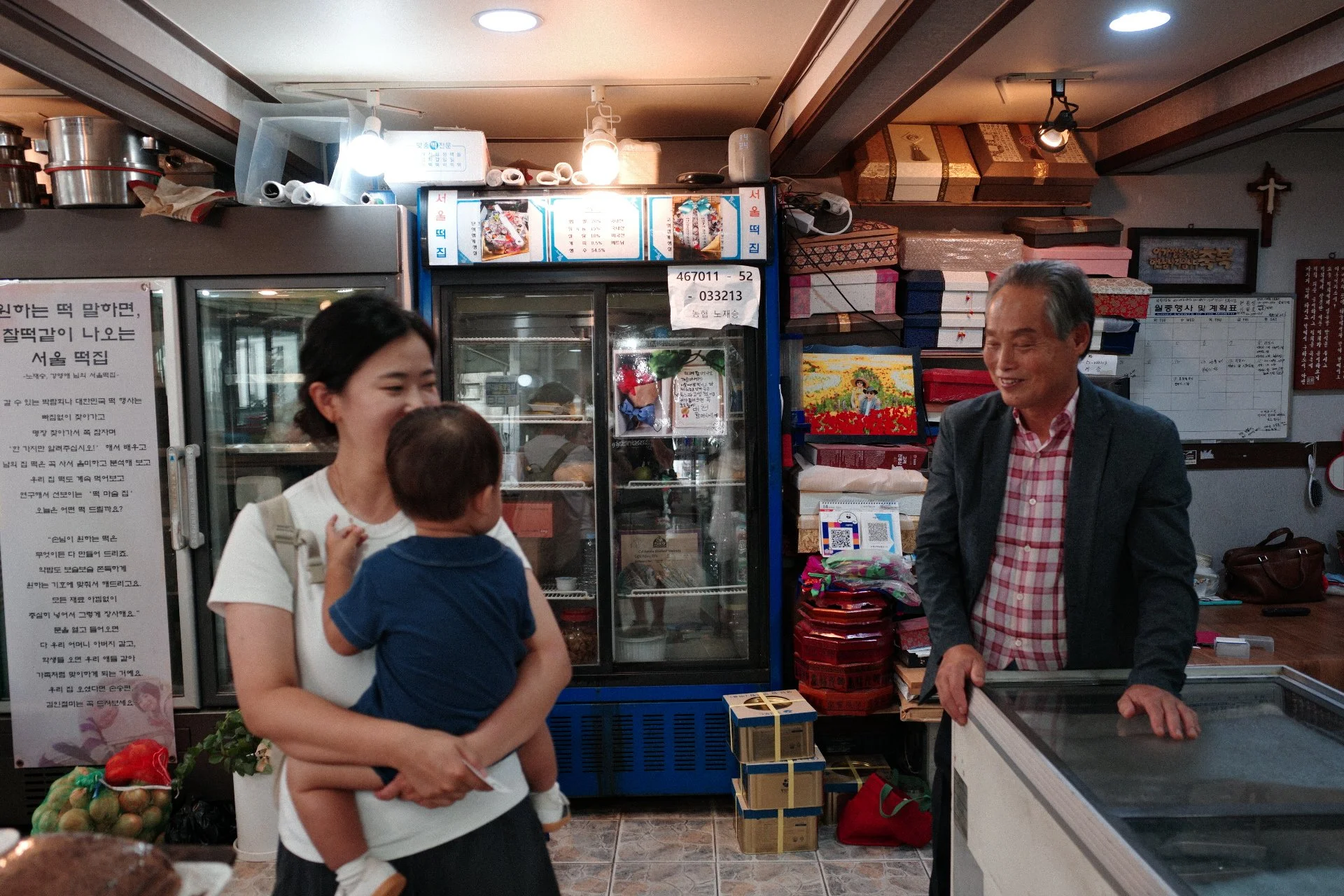
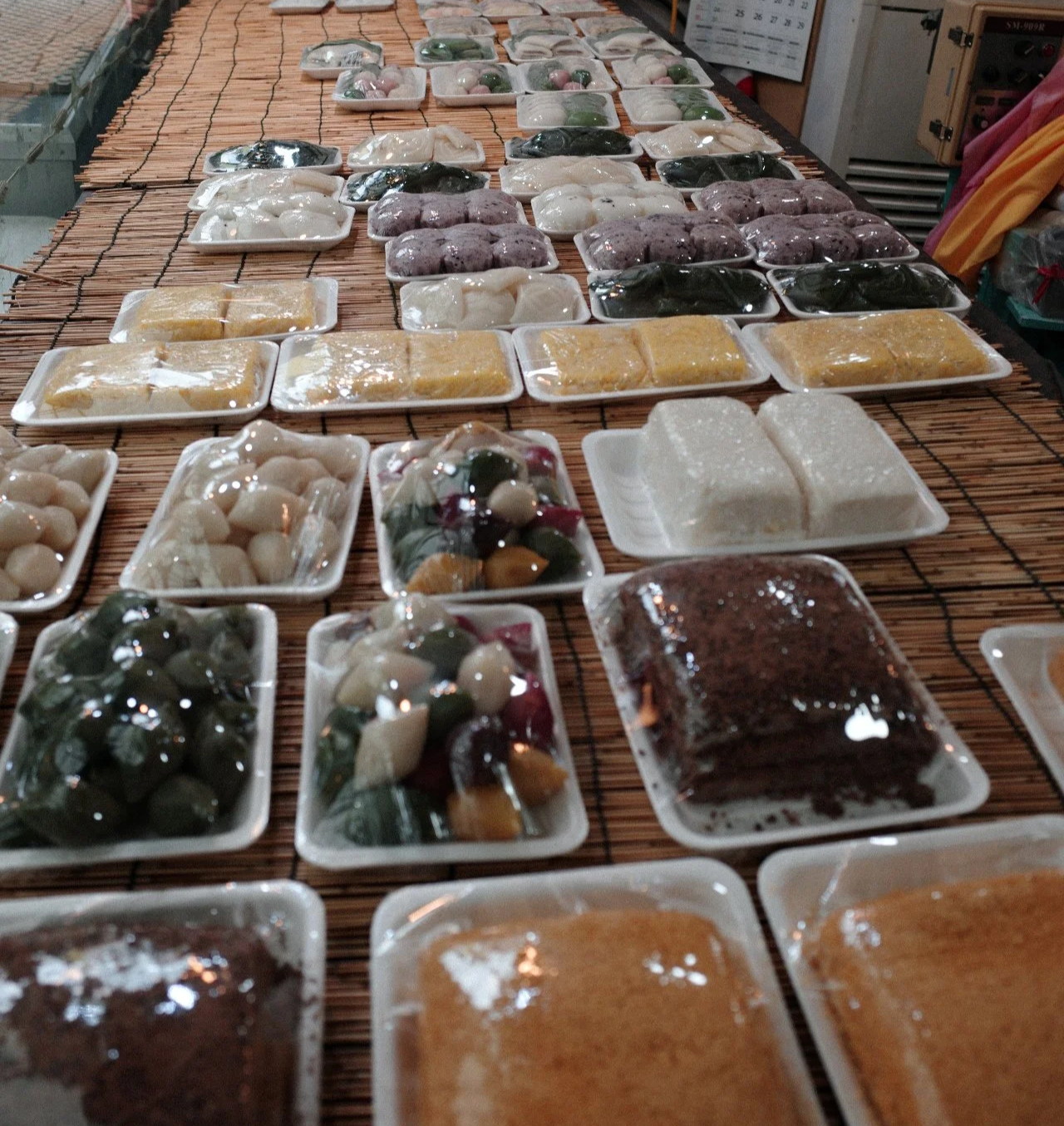
He grows the rice himself. His own field. His own rice. His own rice cake 떡. There were boxes of freshly steamed Baekseolgi, soft white rice cake, waiting for customers. He opened one and said, “Touch it. It’s still warm.”
Directly across from the rice cake shop were large tubs of jeotgal, Korean salted and fermented seafood. Open the lid and there is no gentle introduction. You smell it. Before refrigeration, fermentation was not a culinary trend. It was how the sea survived another season.
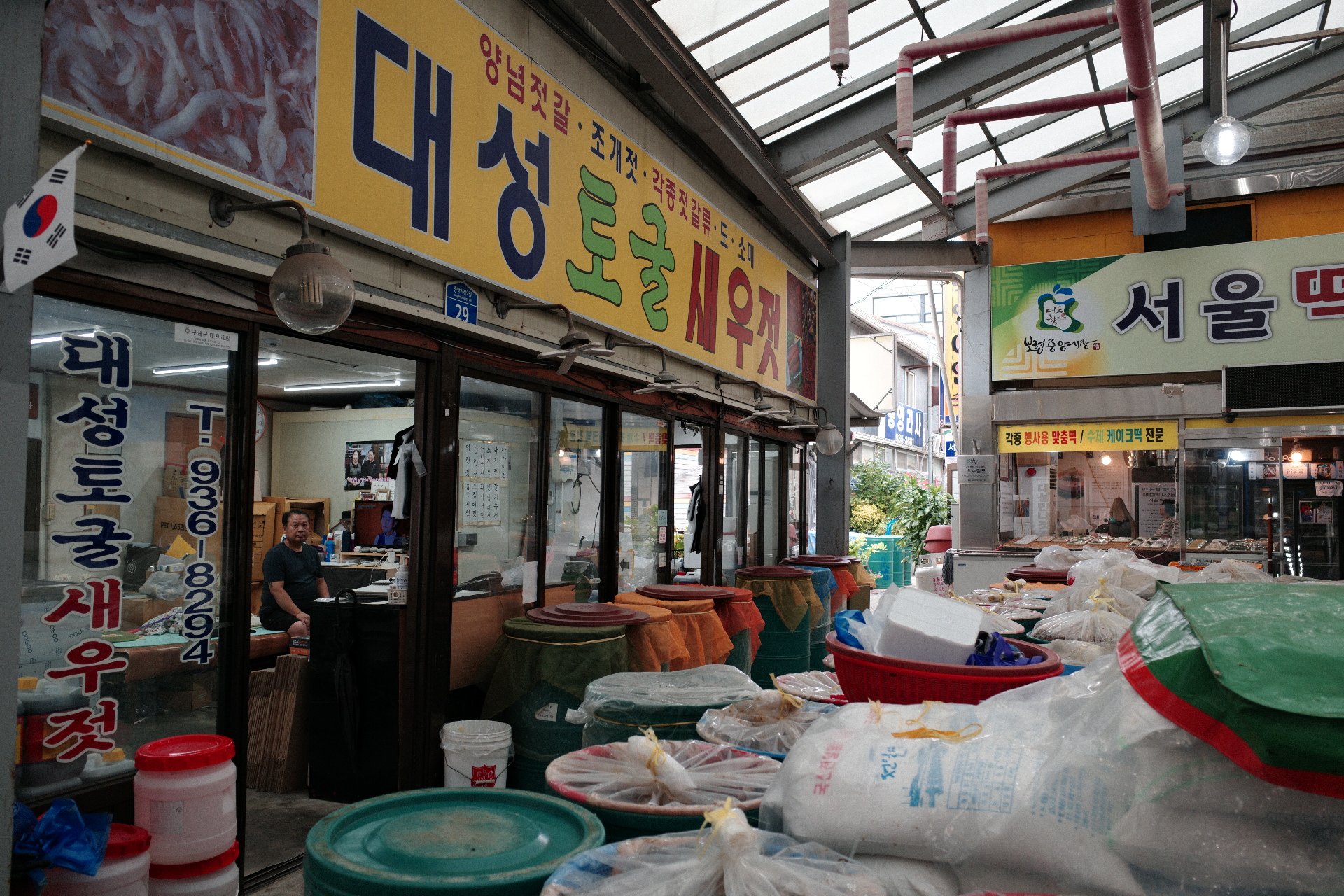
When we told the shop owner about the travelers we hoped to bring someday, she told us to bring them.
“You don’t need to pay at all. Just come taste.”
We offered to pay for a tasting. She waved it off. That moment stayed with me more than the smell. A trip becomes memorable when someone is willing to open the door.
The regulars invented the signature dish
Then we found Bokjori Chicken. The funny thing is that our favorite thing there was not the chicken. It was sundae-bokkeum, Korean blood sausage stir-fried in spicy sauce.
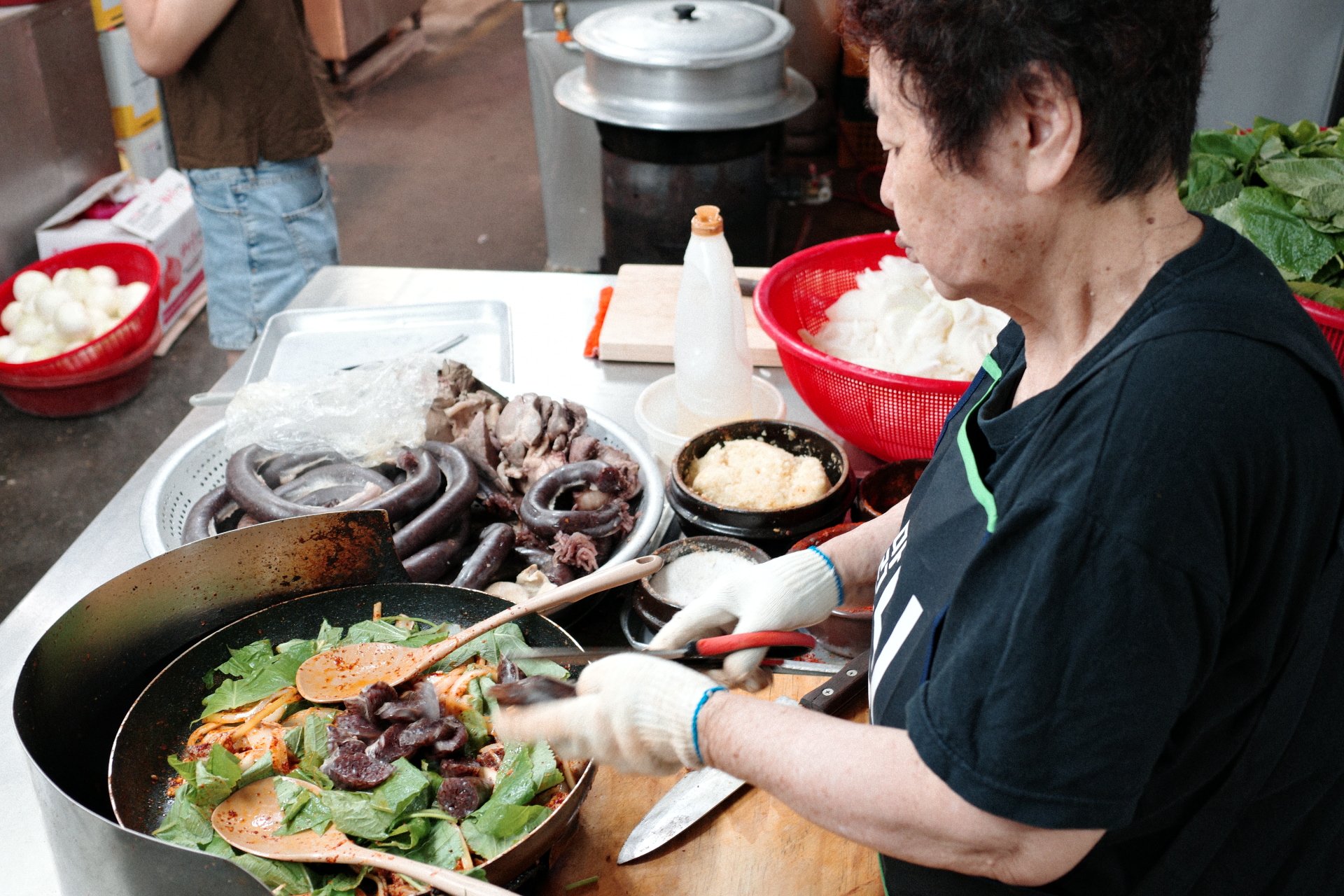
The owner told us that when she started the shop more than 45 years ago, she sold fried chicken. She also loved sundae-bokkeum, so she sometimes shared it with regular customers. They kept asking why she did not sell it. Eventually, they begged her to put it on the menu. And she finally did.
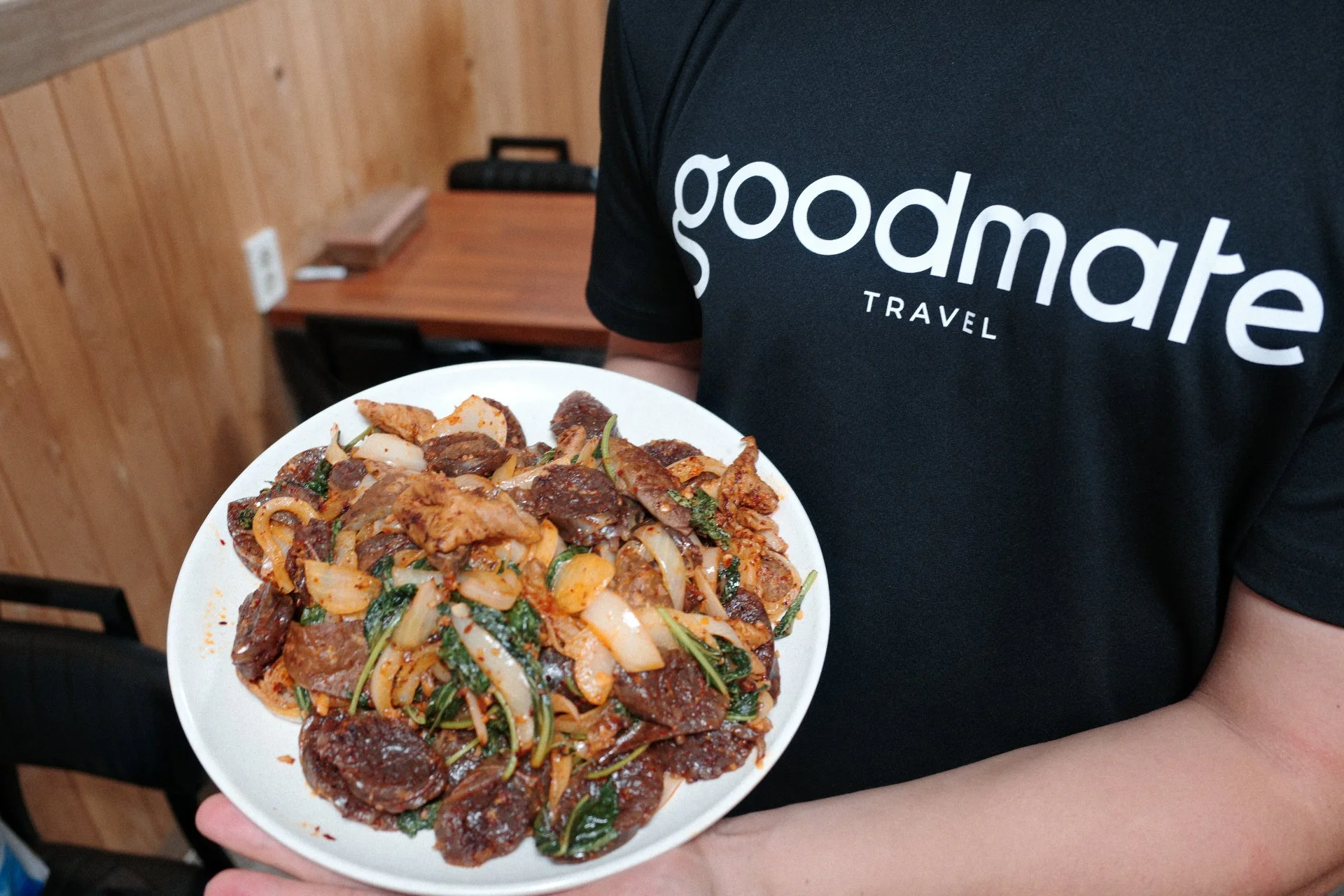
No attempt to invent a signature dish. She cooked something she liked, shared it, and people asked for more. We ate a piece of fried chicken. Then a bite of sundae. Familiar, then unfamiliar. Comfort, then surprise. That feels like a pretty good formula for travel.
After dark, the shellfish arrive
By evening, we were at Daecheon Beach, and the coastline had changed. Signs lit up. Smoke drifted from restaurants. Somewhere, shellfish were always hitting a hot grill.
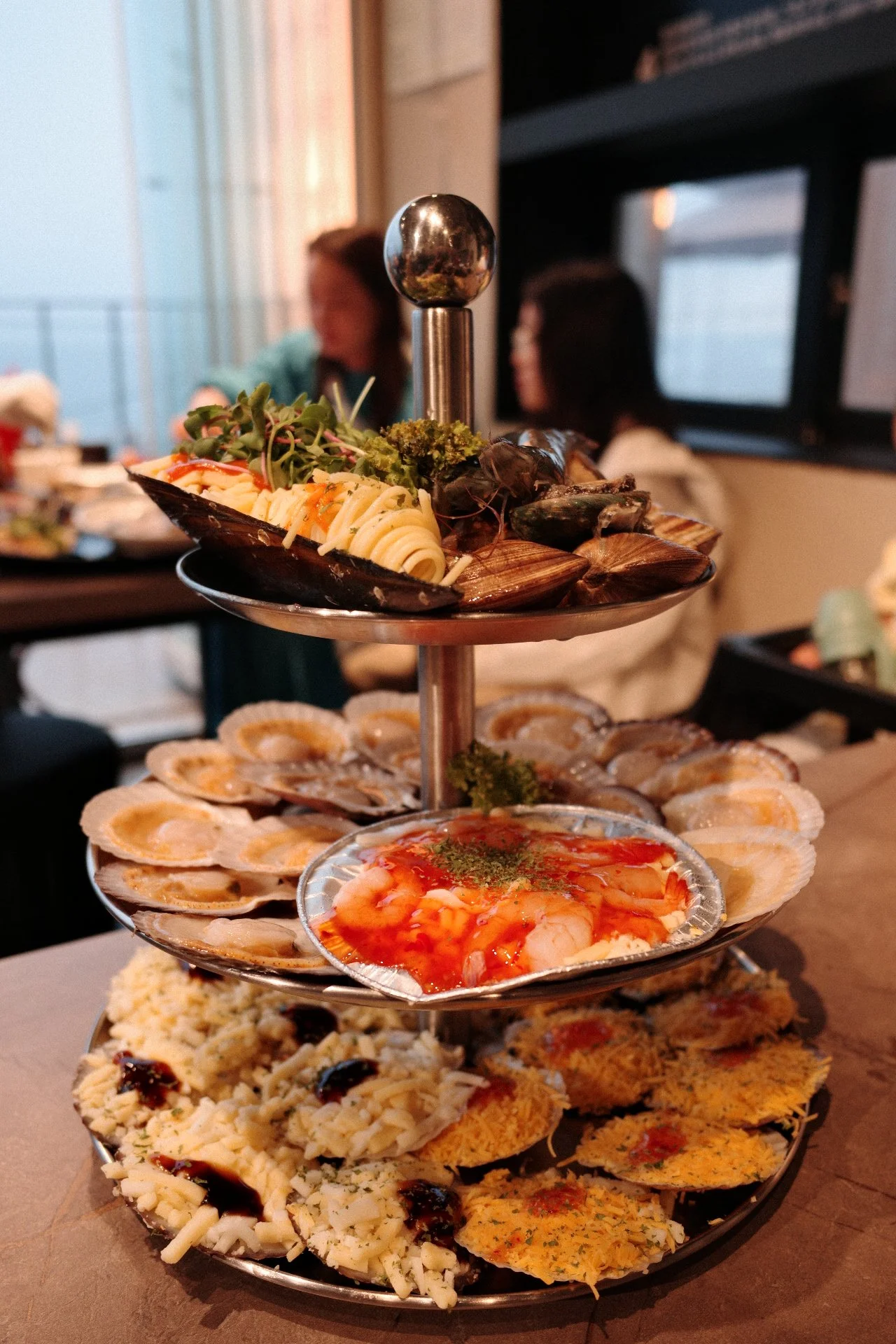
Then a tower appeared on our table: scallops, clams, abalone, shrimp, and shellfish covered in cheese. Shells opened over the heat. Steam rose between us. Every time something popped open, everyone leaned closer. The sea was outside. The shells were opening. The table was getting louder. Sometimes food just needs fire.
After dinner, we walked back toward the beach. There was live music, and a few women in front of us started dancing. Not a show. Not an organized performance. They just liked the song.
Travel can become strangely serious when you try too hard to find “authentic local life.” Sometimes it is simply a group of aunties hearing a song they like. The best part had not been scheduled.
Dinner begins before breakfast
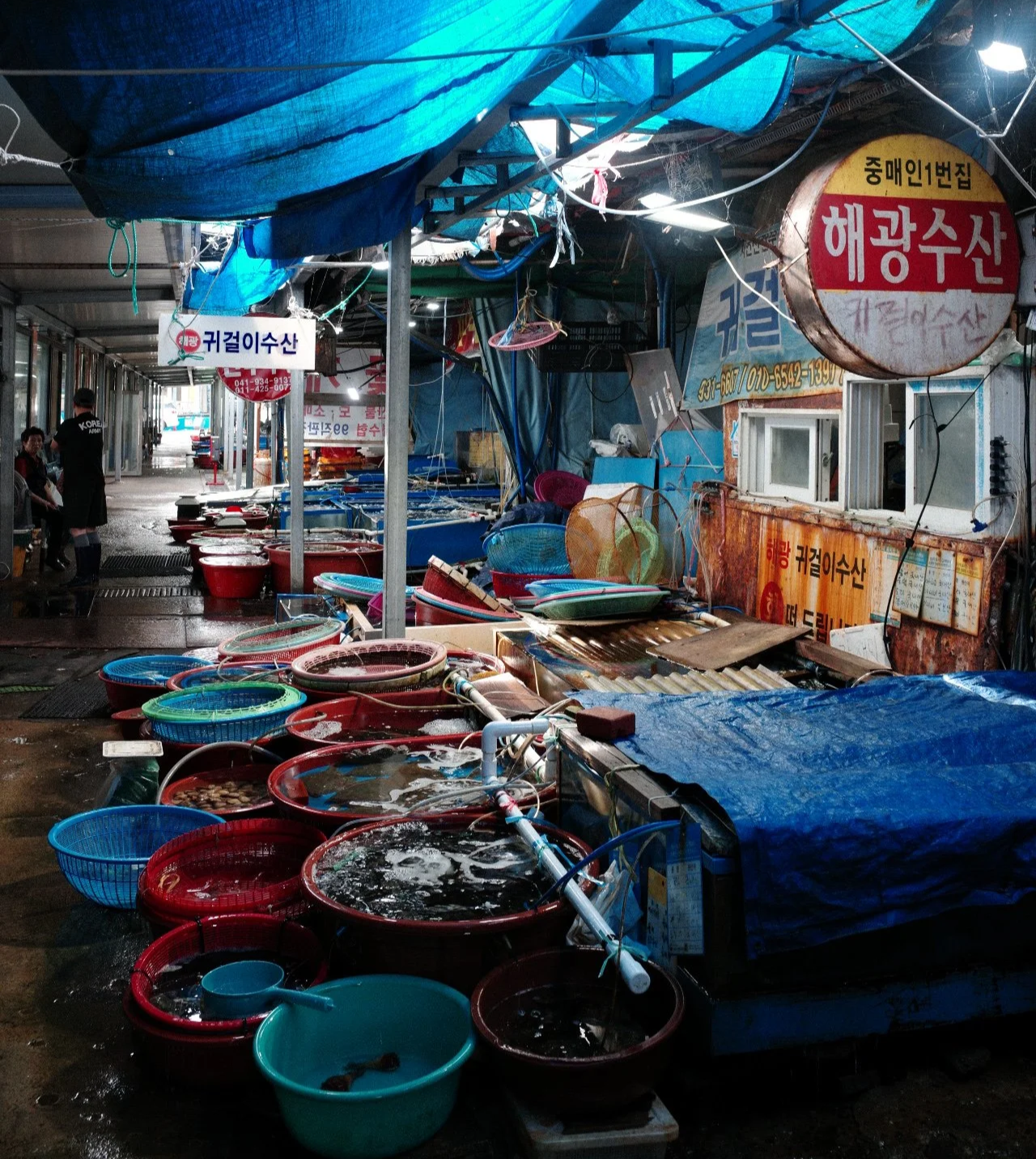
The next morning, we went to Daecheon Port. By the time we arrived, the working day was already well underway.
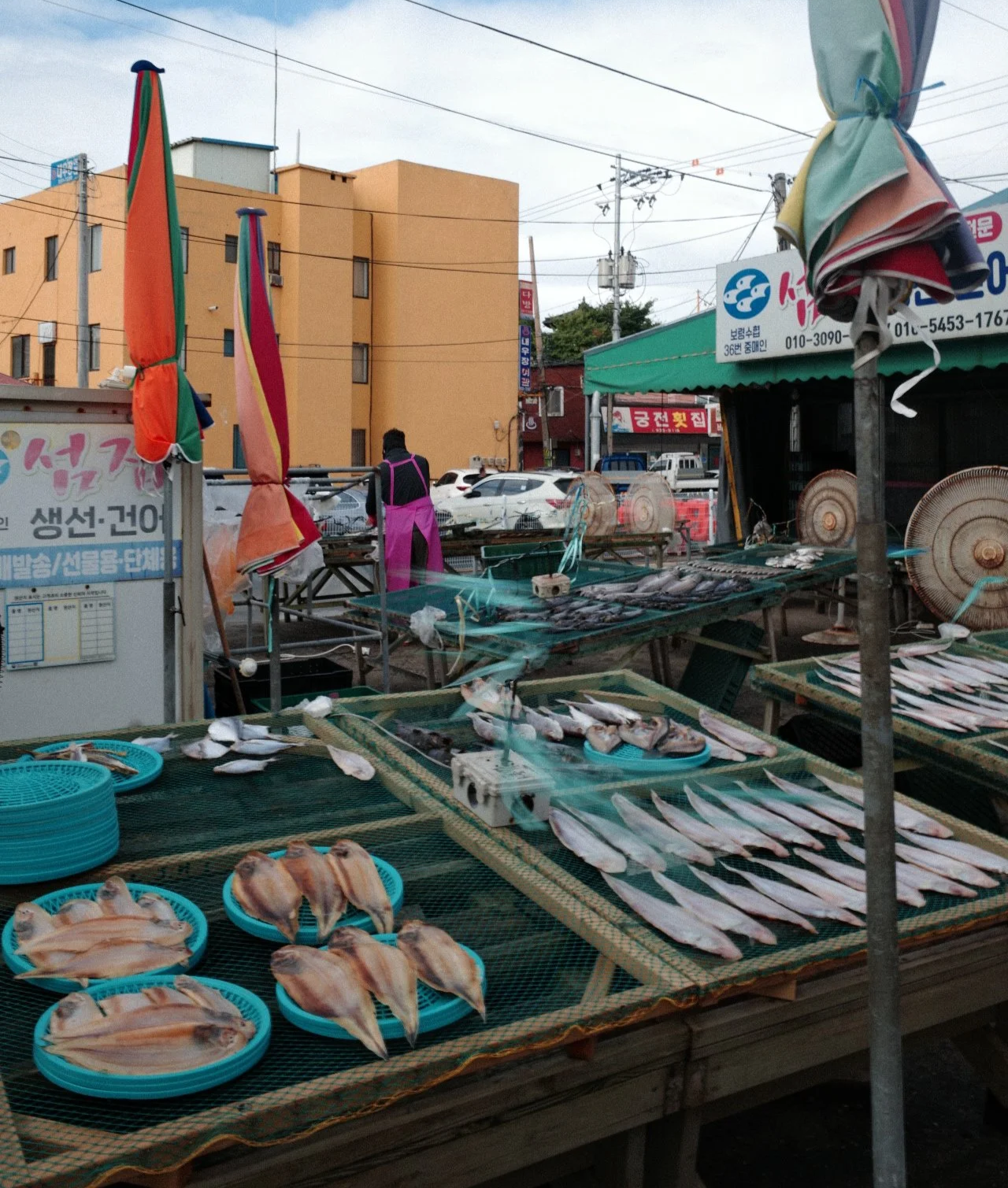
Boats were in. Fish were being moved. Water ran across the market floor. Boxes, ice, and seafood passed from one set of hands to another. The previous night, we had seen seafood as dinner. Here, we saw the scene before it.
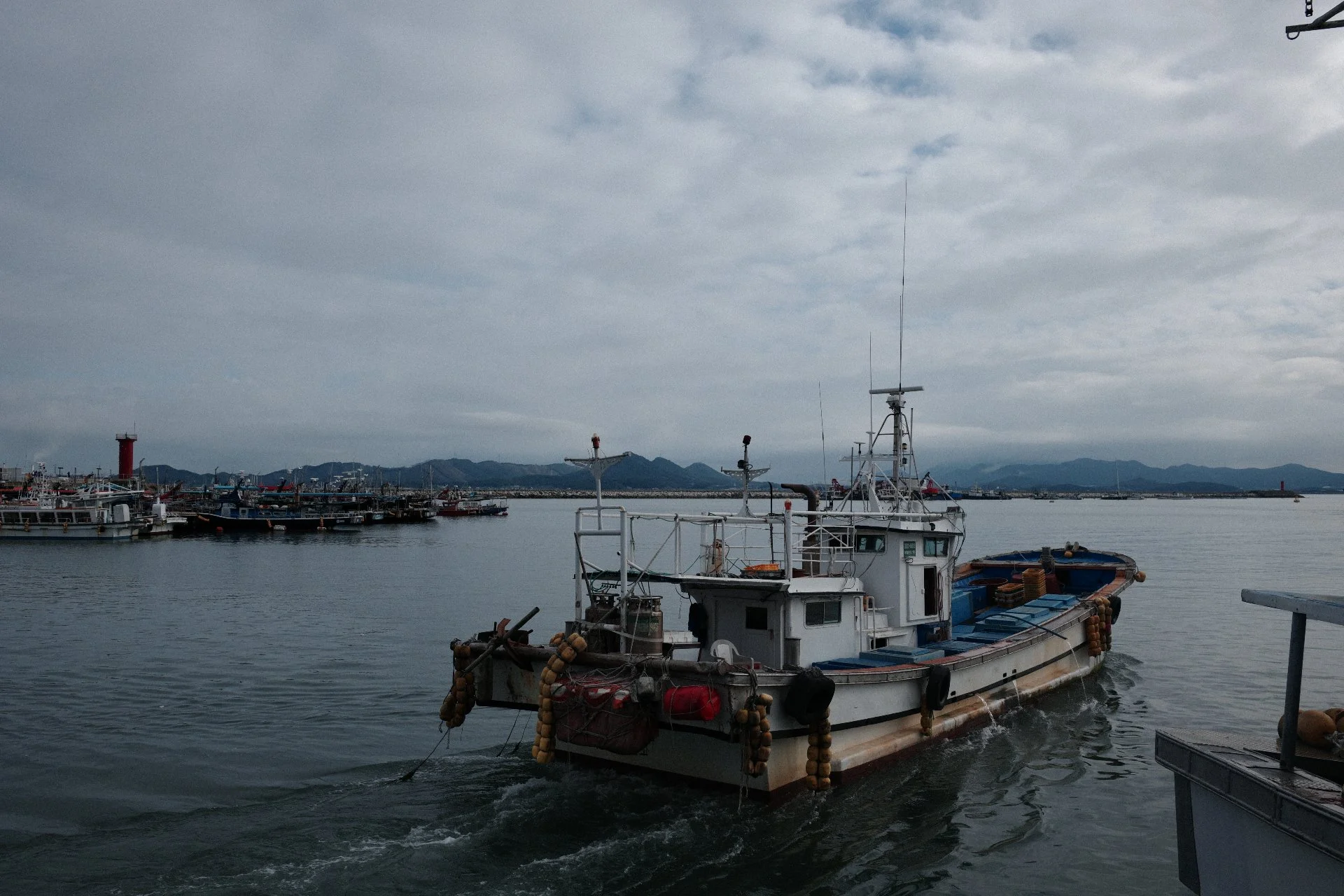
Someone had gone to sea. Someone had brought it back. Someone had unloaded it. Someone would bid for it, clean it, sell it, and cook it. Every meal has a previous life. At a port, you can see it.
We went looking for food
In two days, we ate a lot: local milk, seaweed, rice cakes, fermented seafood, fried chicken, sundae, and grilled shellfish by the beach.
But what we remember most are the people. We came looking for the real taste of the region. As usual, we ended up finding people. Maybe that is because food never exists by itself. Behind every good dish is a place, time, and someone who kept making it long enough for us to discover it.
The flavor of the West Coast does not begin in a restaurant. It begins in the land, moves through the sea, passes through someone’s hands, and becomes complete when we sit down together.
