
When I was young, I sometimes followed my grandmother up the mountain to visit a Buddhist temple. I remember holding her hand as we climbed the path, already tired before we had even reached the gate. Back then, I did not understand why temples always seemed to be hidden halfway up a mountain. I wondered why we had to sweat so much just to get there, why fierce-looking guardian statues stood at the entrance, and why anyone would bow 108 times on purpose.
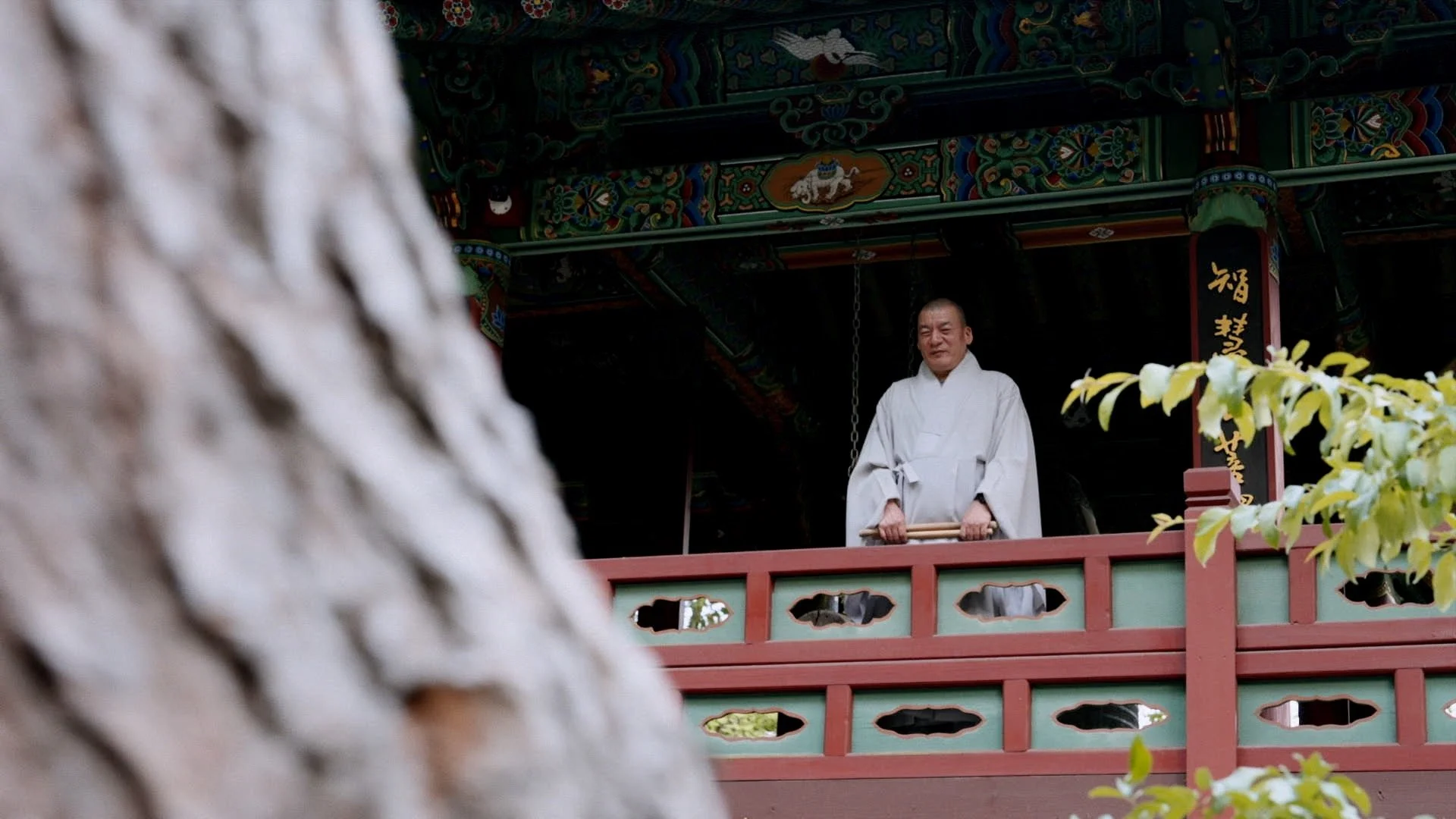
To me, the temple felt difficult, unfamiliar, and a little strange. But my grandmother always went with a sincere heart. She wrote wishes for our family, bowed carefully, and prayed that the people she loved would live well. Even when I did not fully understand the place, I understood her. So I followed her quietly, trying not to complain too much.
Years later, I find myself returning to temples on my own. Not because anyone asks me to go, but because there are days when I need somewhere quieter than the city. Somewhere I can breathe without rushing. Somewhere the noise of work, messages, schedules, and responsibilities becomes a little softer.
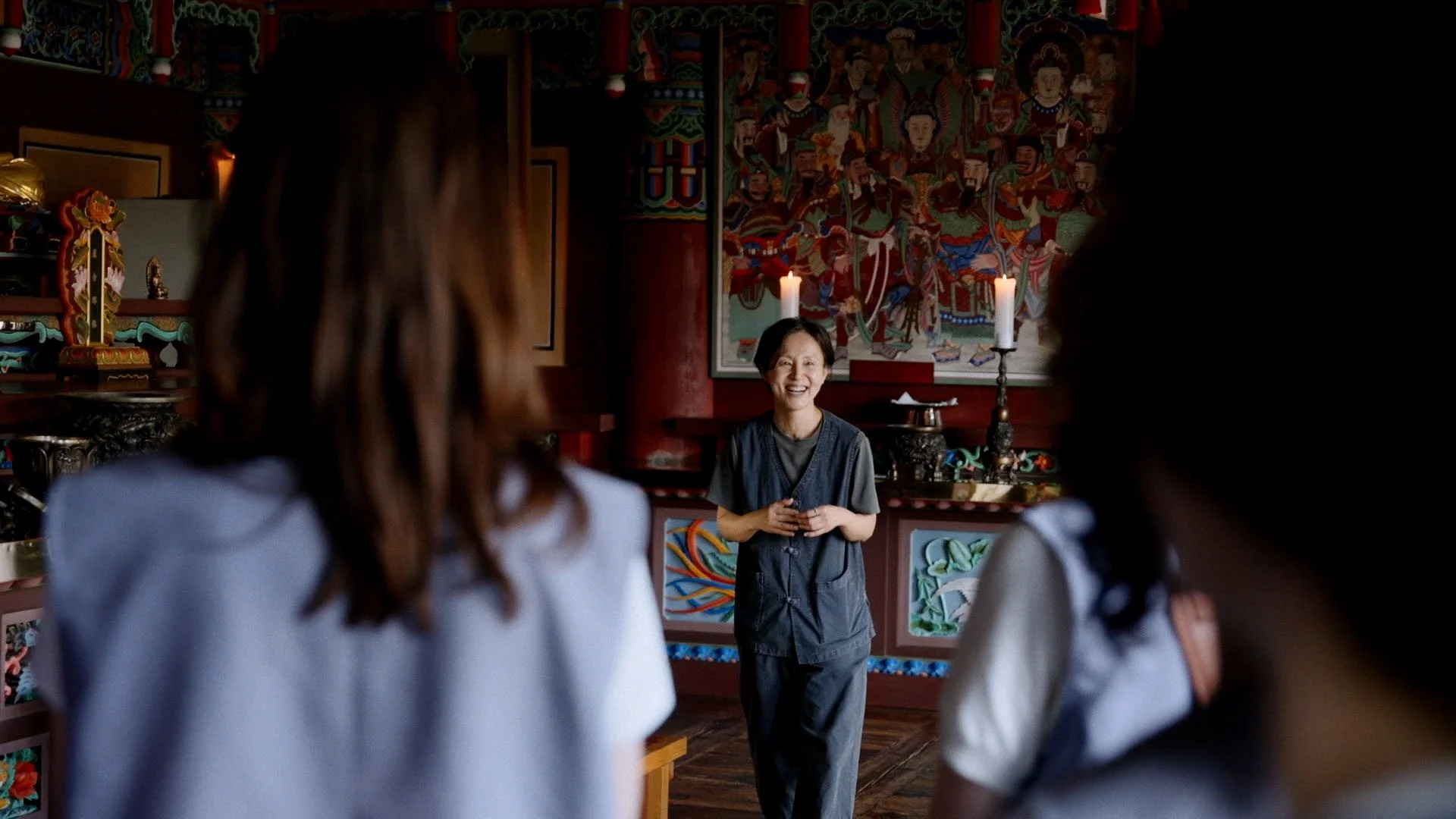
Now, the things I once found strange feel different. The temple is halfway up the mountain because the walk itself slows you down. The guardian statues no longer feel frightening; they feel like part of a world that asks you to enter with care. The bows are not only acts of belief, but a way of returning to the body, one movement at a time.
And now I think I understand my grandmother a little better. Maybe she was not only asking for good fortune. Maybe she was also looking for a place to put down the weight she had been carrying.
Buddhism as a Culture of Pause
For many people in Korea today, Buddhism is not only a religion. It is memory, family tradition, architecture, food, seasonal ritual, and a quiet way of caring for the mind.
You don’t have to be Buddhist to feel something when you step into a Korean temple. There is the sound of wind chimes, the smell of incense, the painted wooden beams, the stone steps worn smooth by time, and the simple fact that people seem to move more slowly there.
That slowness is part of the experience. Many Korean temples are found in the mountains, away from the busiest parts of daily life. Before you even arrive, your pace begins to change. You climb, breathe, and look up more often. By the time you reach the temple grounds, the city already feels farther away.
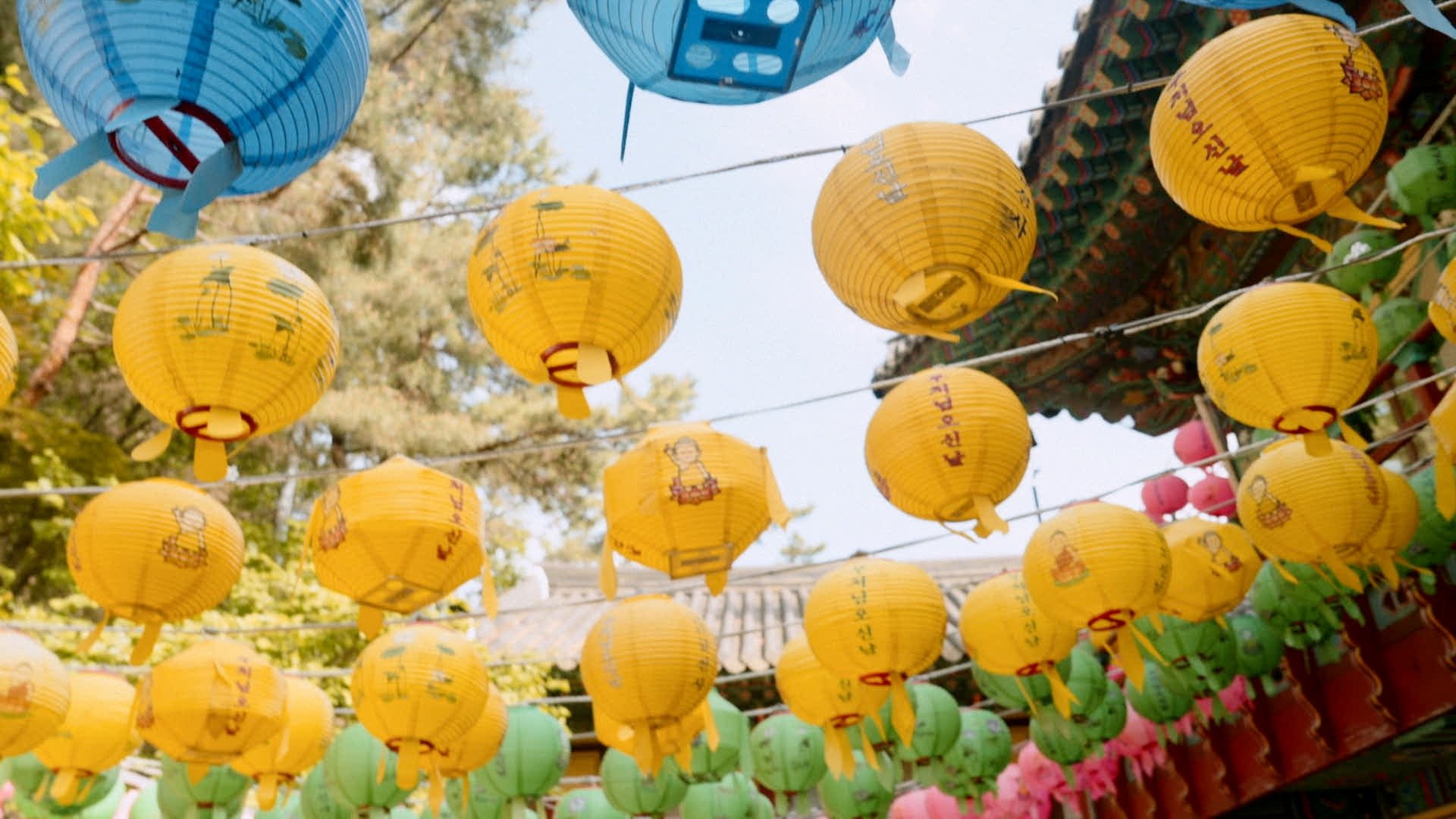
Perhaps that is why Koreans still visit temples when life feels heavy. Some come to pray, some to remember someone, some because a parent or grandparent once brought them there. Others come for Buddha’s Birthday, when lanterns fill temples and streets with light, or for a Templestay, hoping to meditate, eat temple food, and spend a night away from ordinary life.
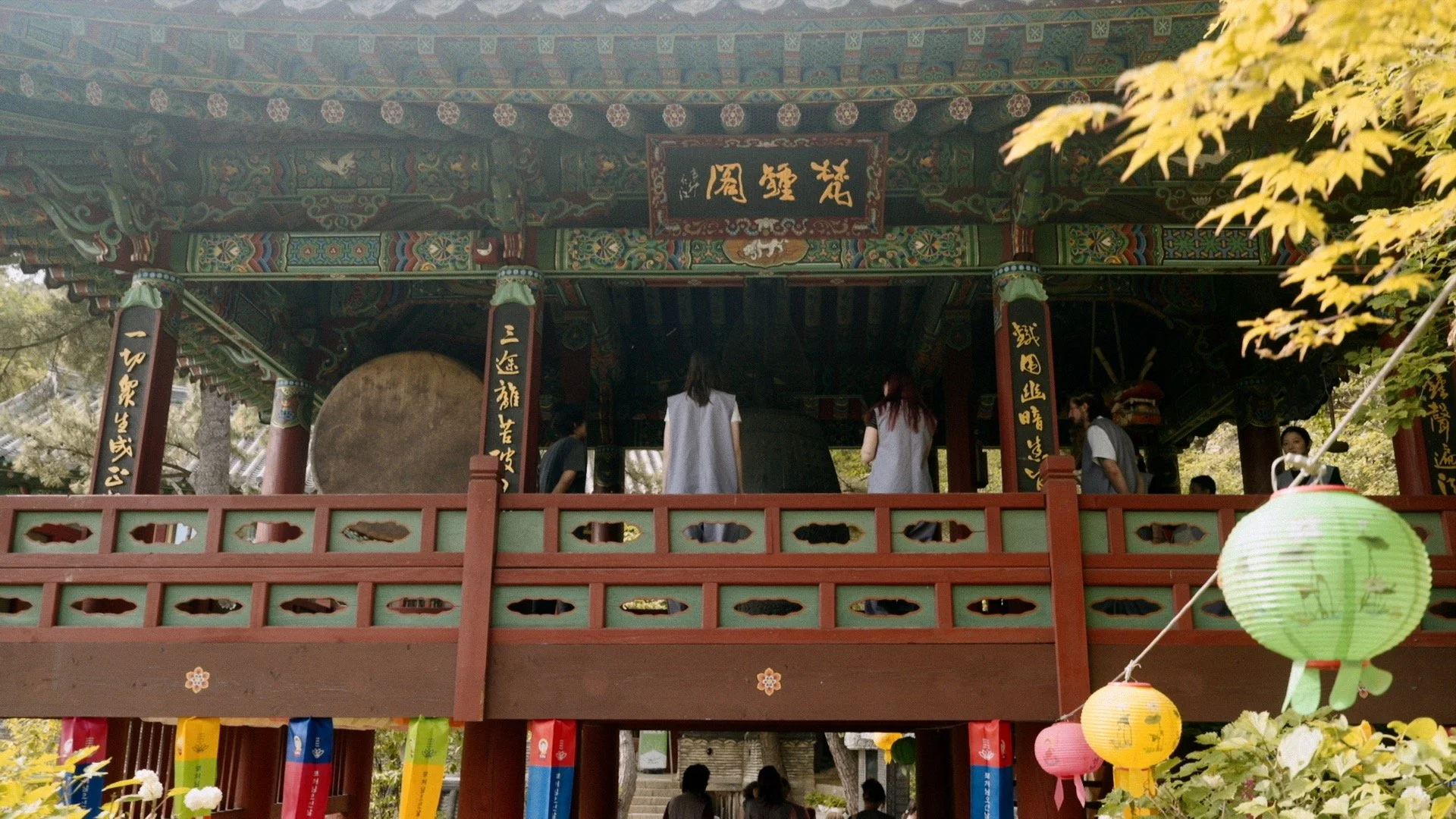
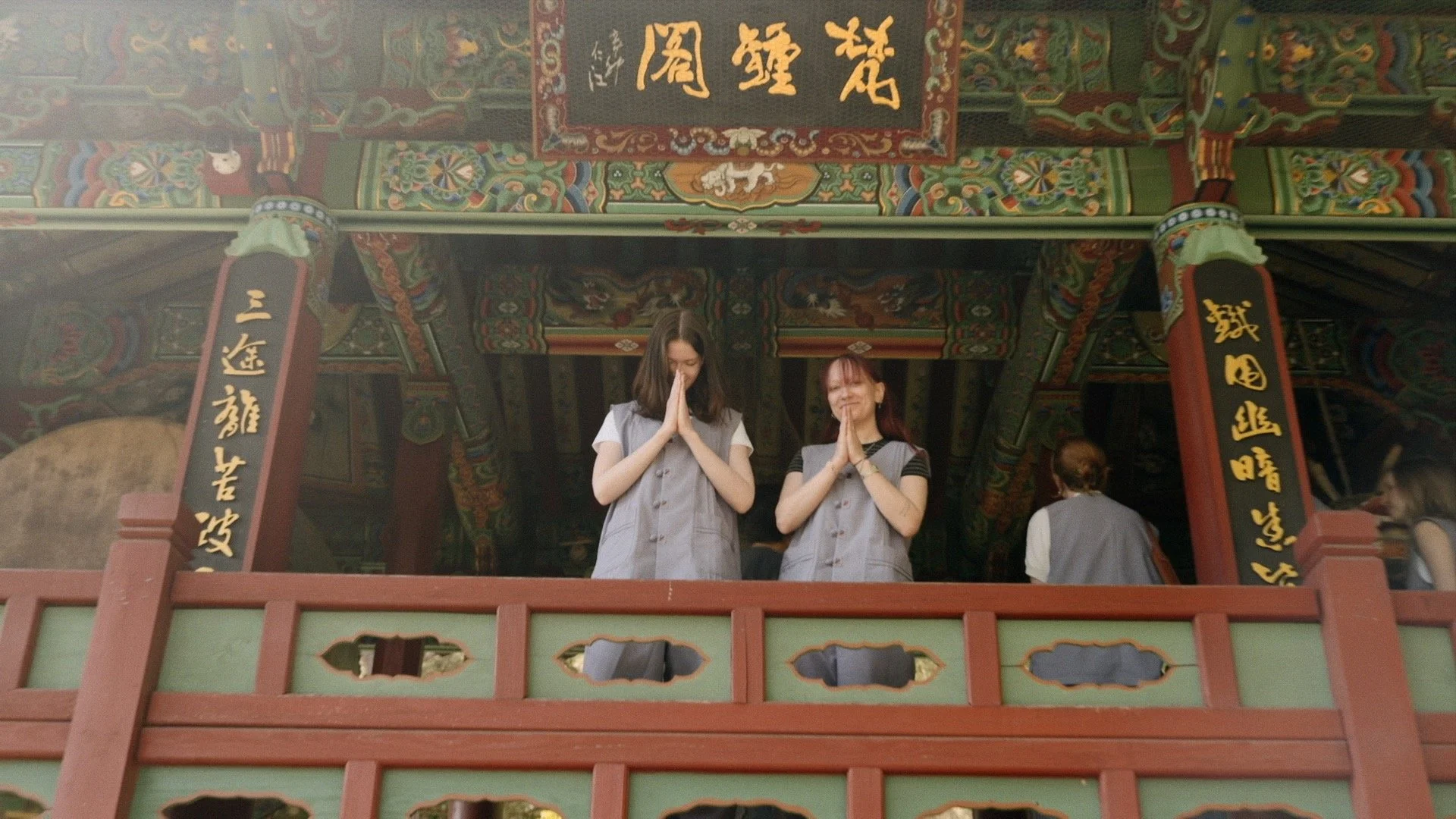
And some come without knowing exactly what they are looking for. They only know they need quiet.
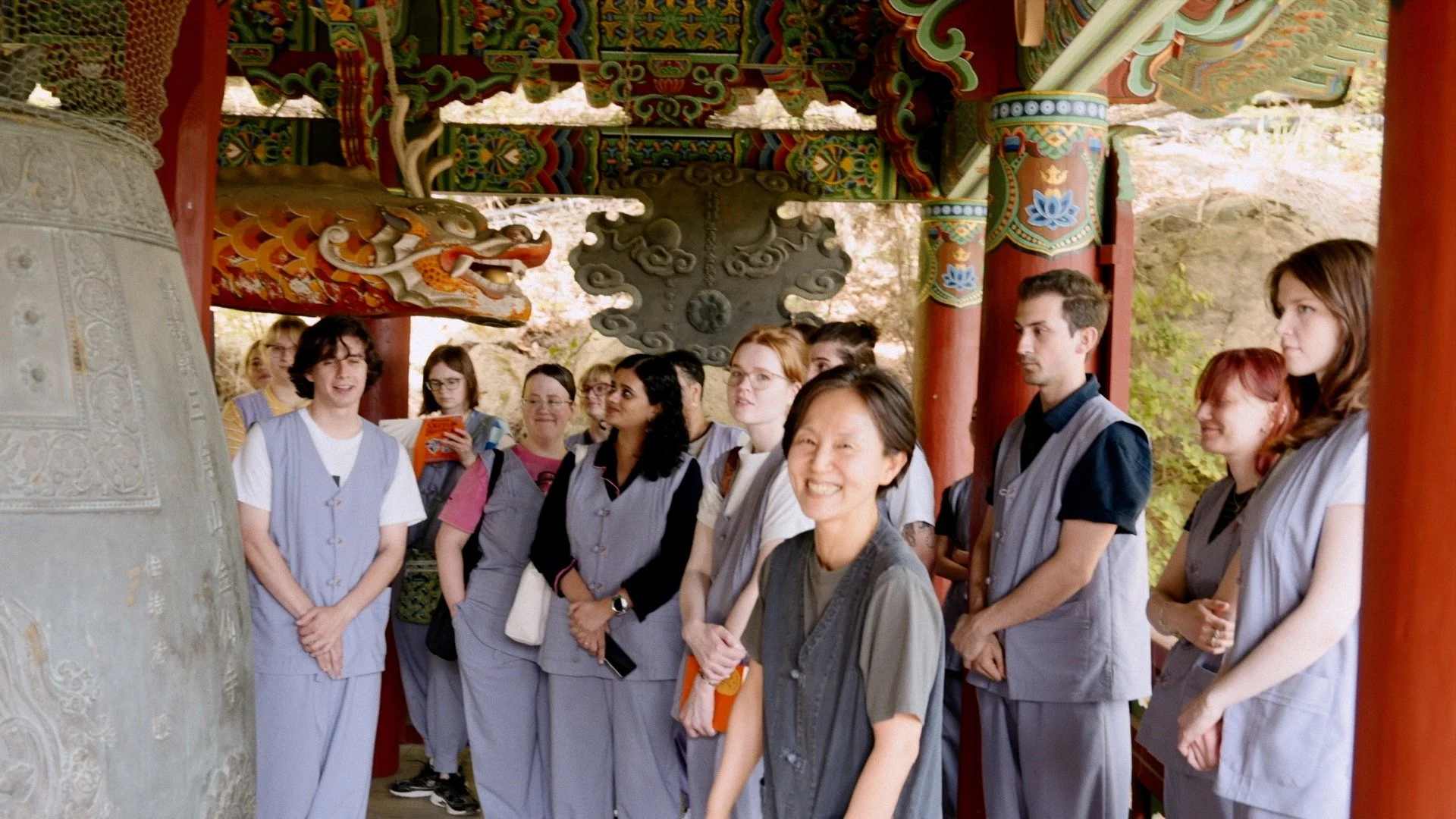
Modern Korea moves quickly. Trains are fast, cities stay awake late, trends change overnight, and even rest can feel scheduled. In that kind of world, temples offer something rare: they do not ask you to hurry.
For travelers, this reveals another side of Korea. Beyond K-pop, night markets, cafés, shopping, and street food, there is also the Korea of mountain temples, morning chanting, quiet bows, temple meals, and slow breath.
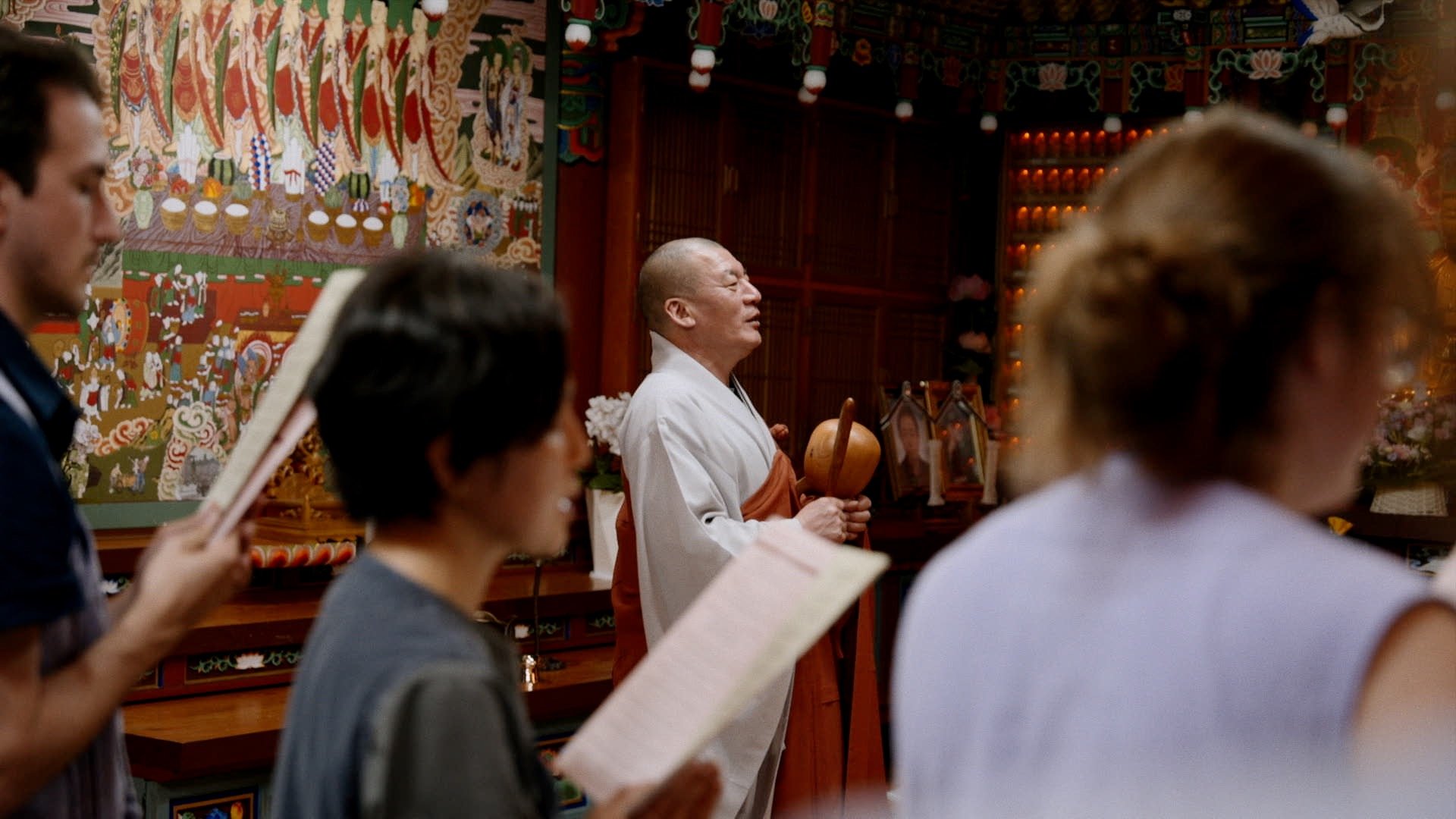
This is why Korean Buddhist culture still feels relevant today. Not only because it is old, but because the need it speaks to is very modern. People are tired, overstimulated, and searching for ways to feel steady again. A temple gives that search a place to begin.
Meet Goodmate: Sunmudo Master Hyunwoong at Golgulsa Temple
Every Goodmate journey begins with a person. The real people you actually meet on your tour. Behind every moment, there is someone who cares. They are all part of Goodmate: real people, real moments. Now, meet your goodmates.
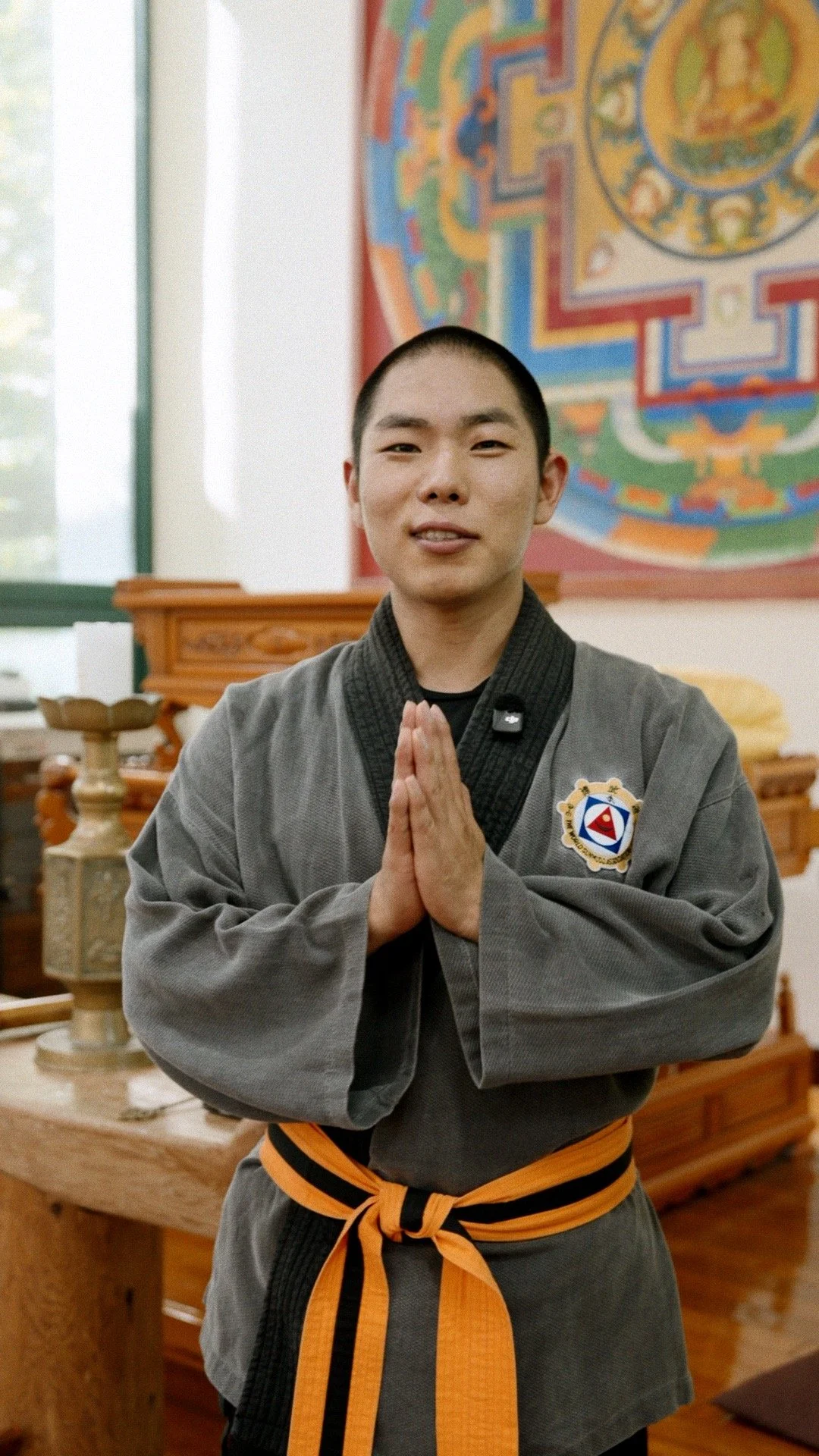
At Golgulsa Temple in Gyeongju, that person is Sunmudo Master Hyunwoong.
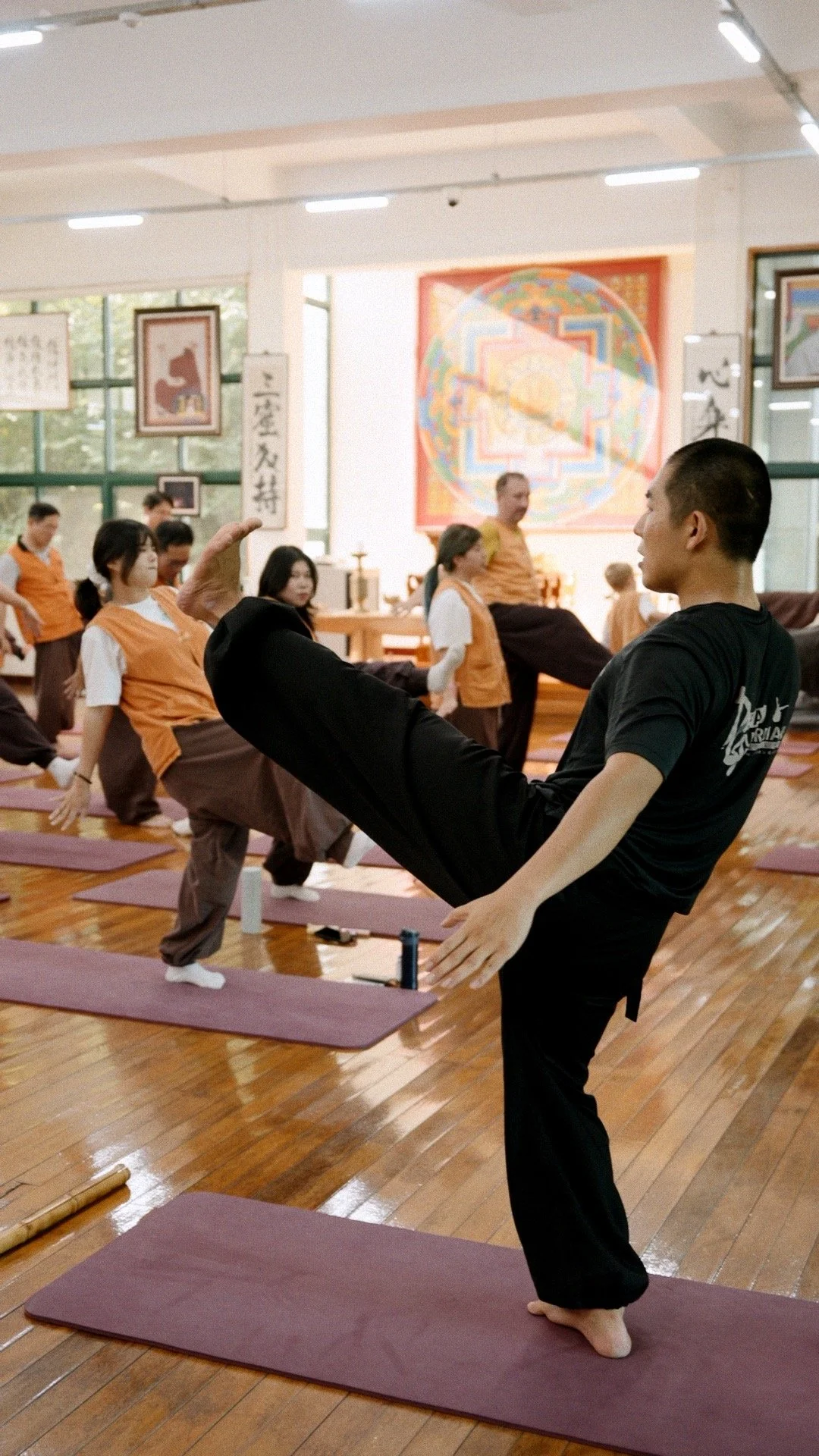
Golgulsa is known as the home of Sunmudo, a Korean Buddhist practice often described as moving meditation. Instead of separating the body from the mind, Sunmudo brings together meditation, breathing, yoga, qigong, gymnastics, and martial arts. The body moves, but the purpose is not performance. Movement becomes a way to observe the mind.
Master Hyunwoong first encountered Golgulsa when he joined a Sunmudo camp at the age of 14. That early experience eventually became his path. Today, he practices Sunmudo at Golgulsa and teaches it to people from Korea and around the world.
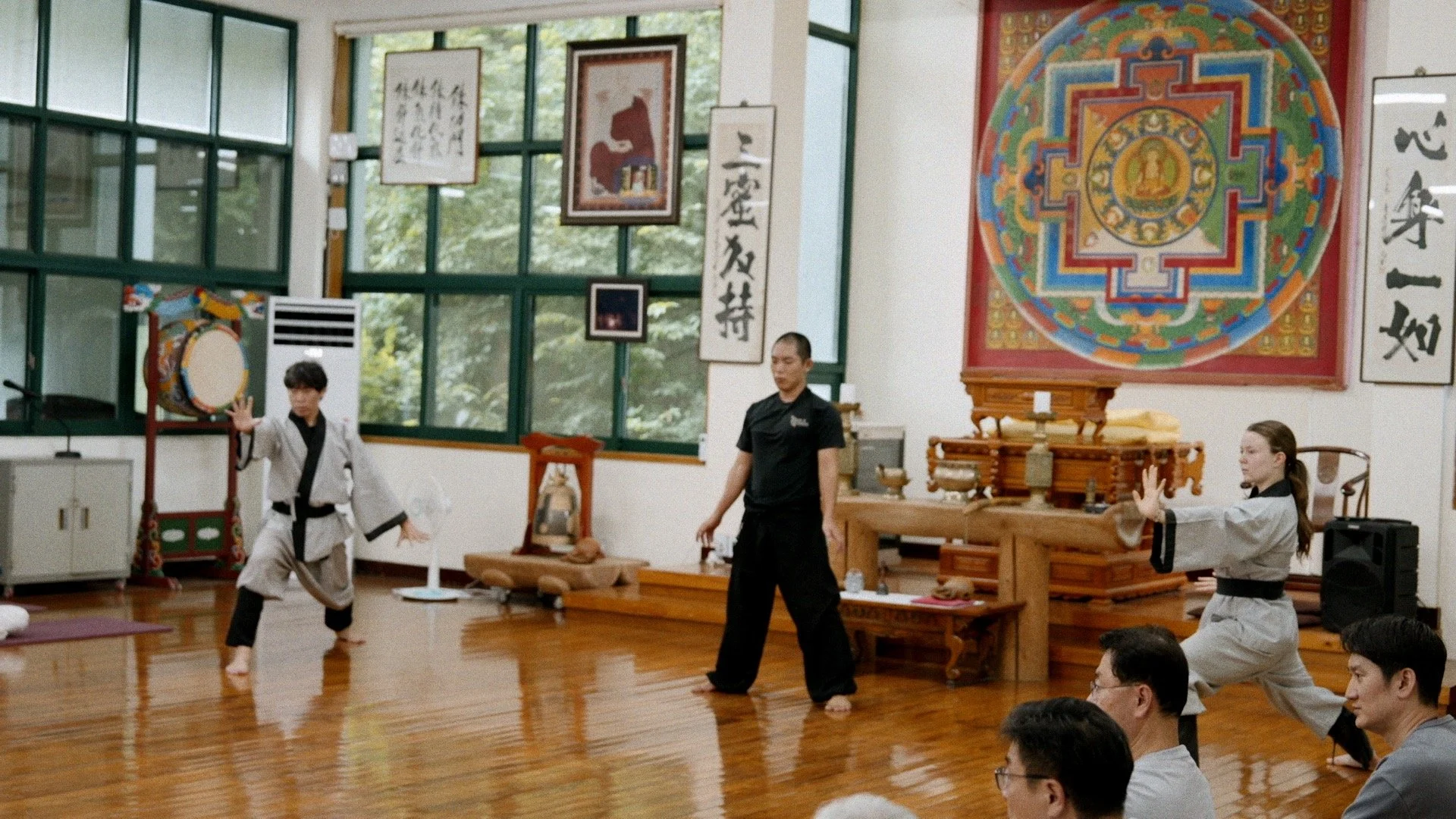
When we spoke with him, what stayed with us was how gently he talked about care.
“By taking care of my body and mind,” he shared, “I come to understand myself better. Through practice, I can share this happiness with others. And the more I help people, the happier I become. That is why I am here.”
For him, Sunmudo is not simply a martial art. It is a way of living. Through the harmony of body, mind, and breath, it asks a simple but difficult question: how can we live happily?
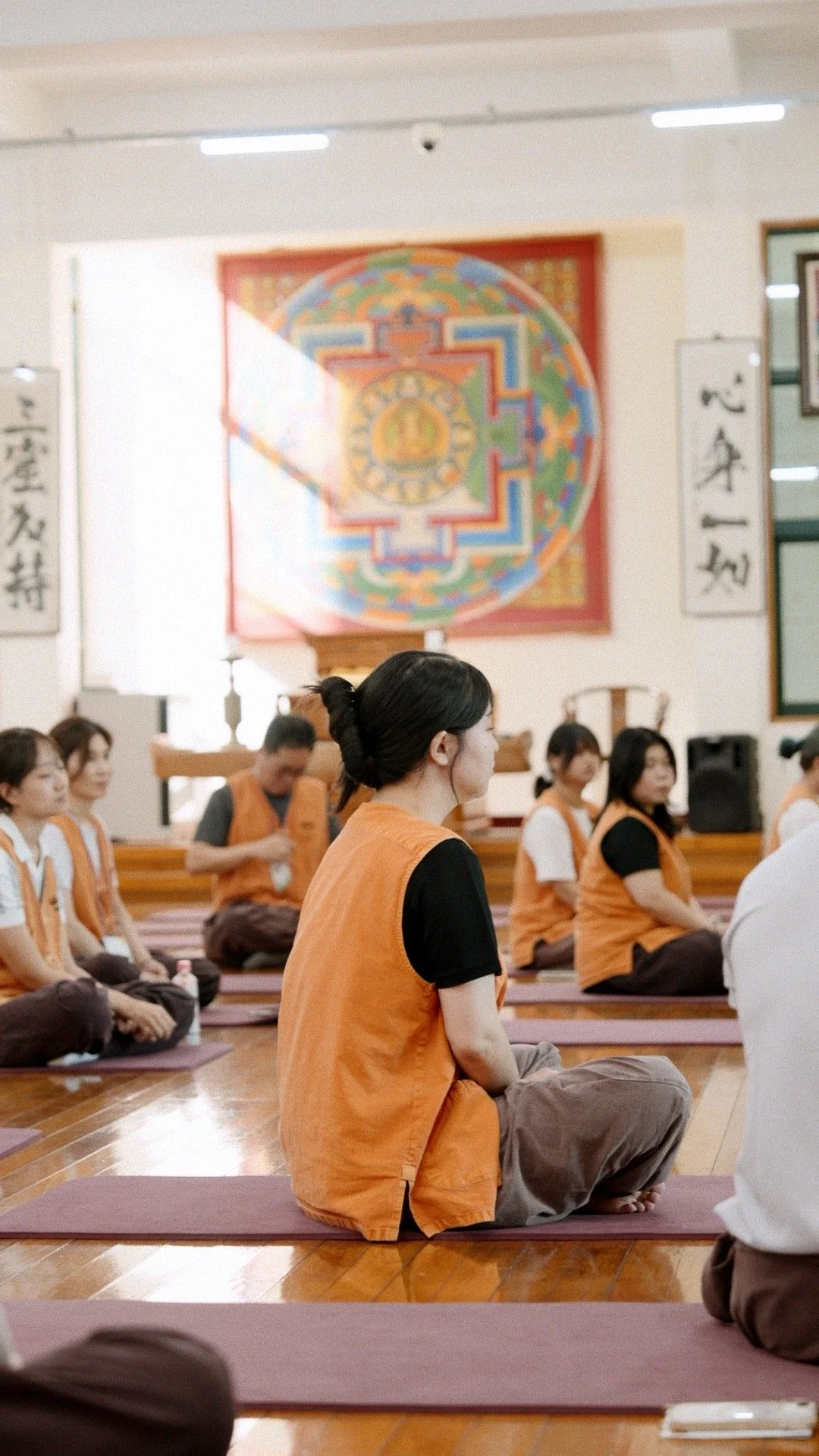
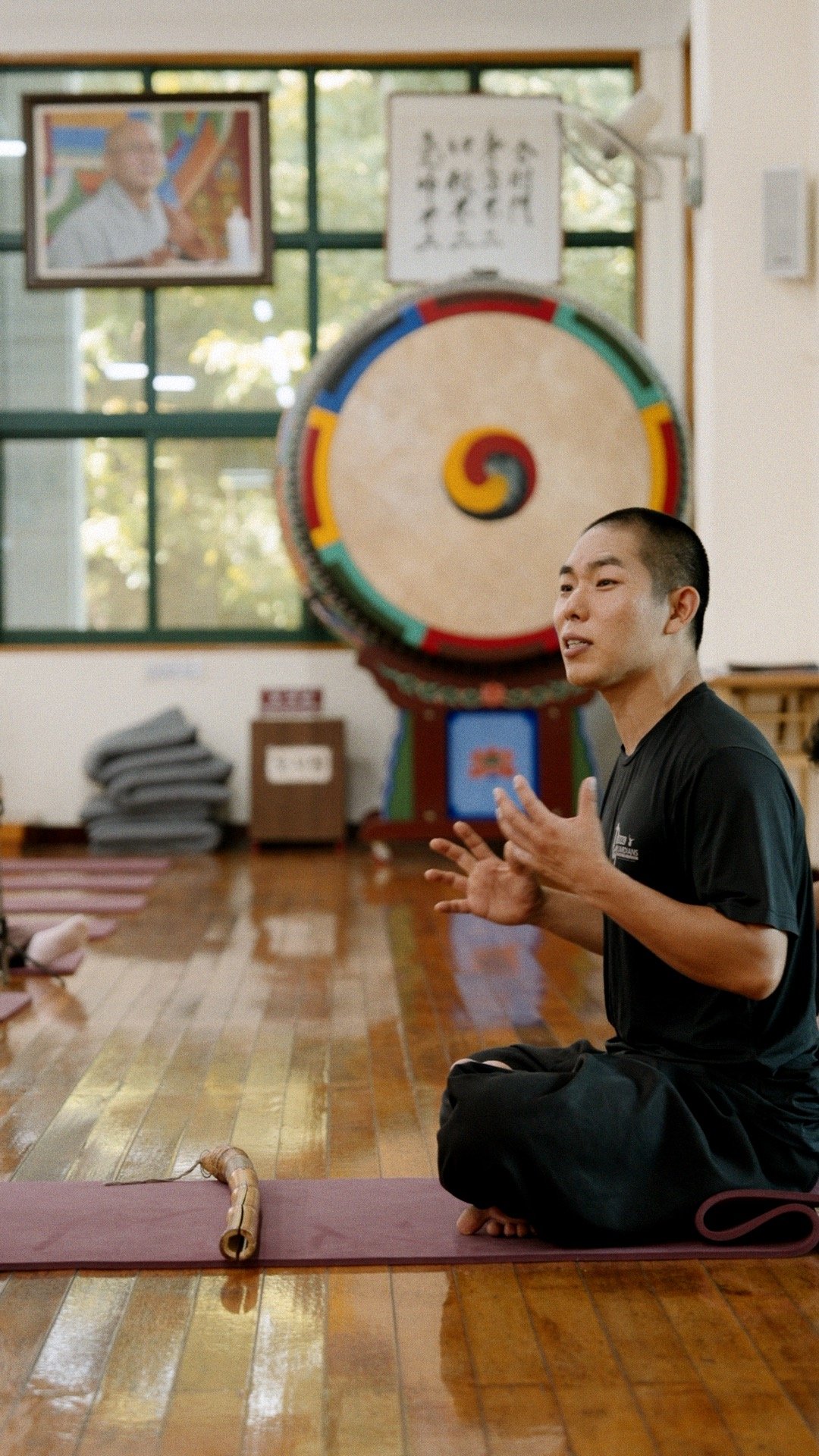
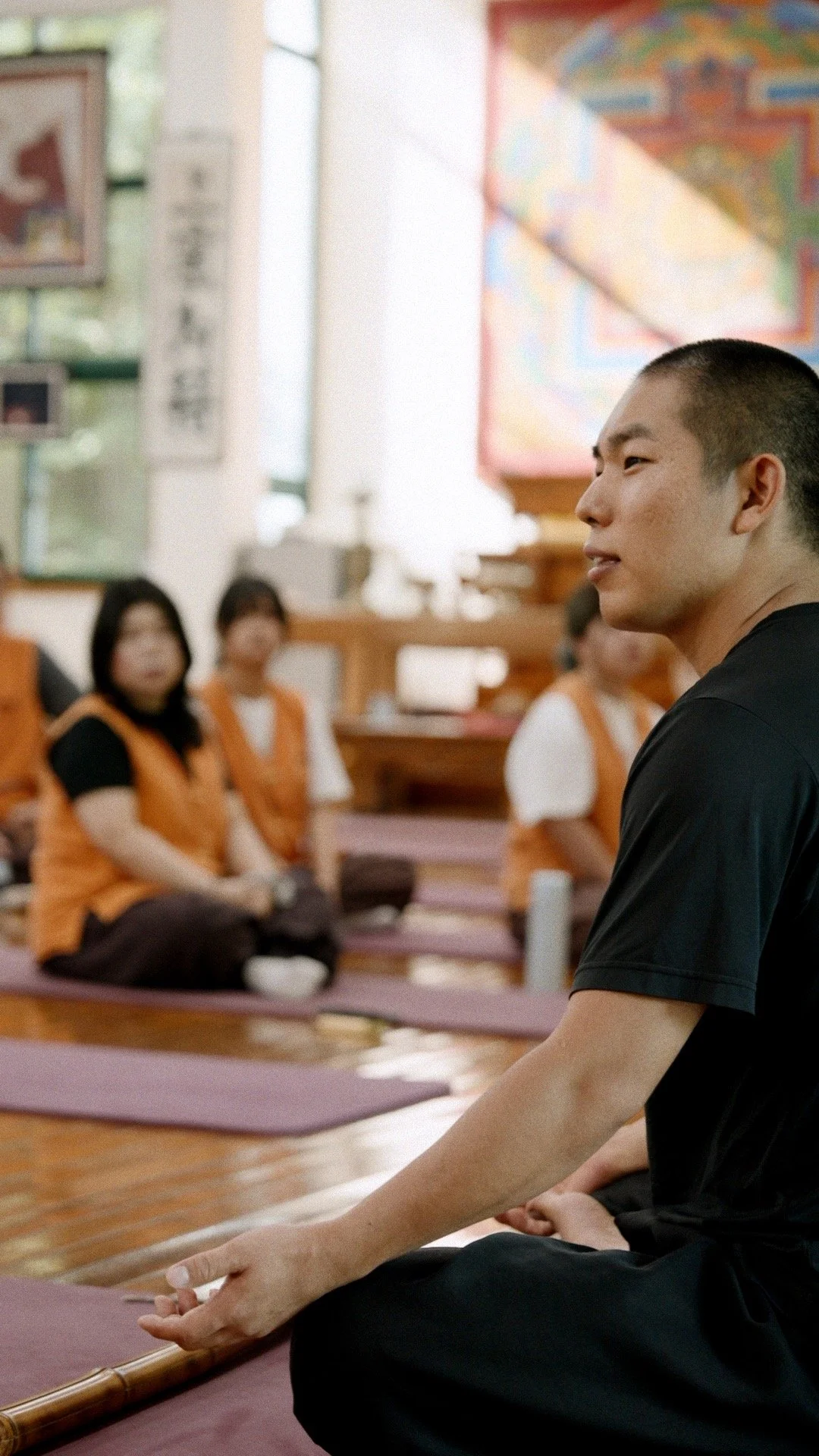
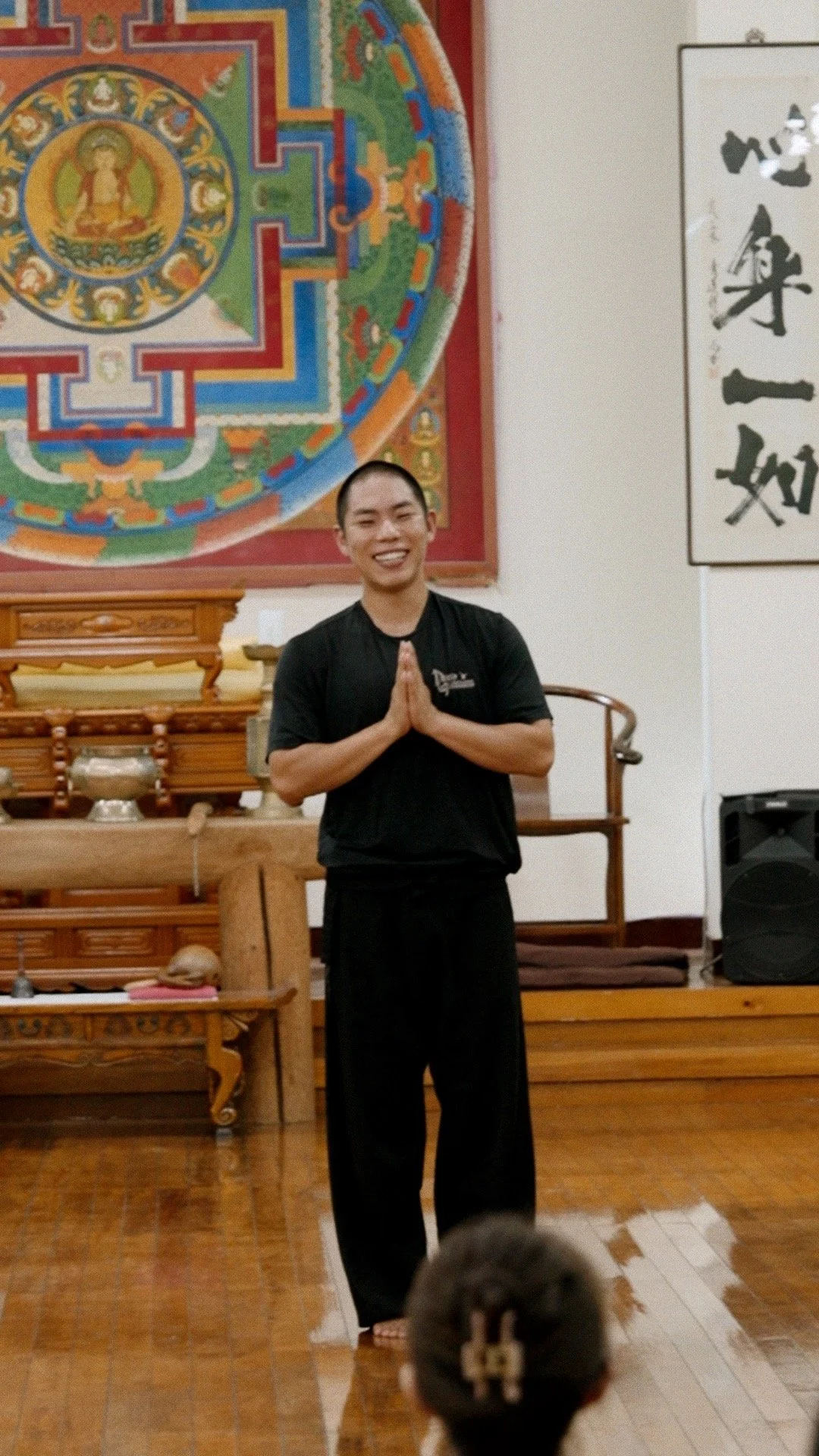
His daily practice — morning meditation, qigong, yoga, martial movement, and breathwork — is how he cares for himself. Because Sunmudo has become part of how he lives, he describes it not only as a practice, but as a companion. Something that walks with him through life.
Caring for the mind
One part of our conversation with Master Hyunwoong felt especially important.
He said that many people today take care of their bodies. They do yoga, Pilates, exercise, eat good food, and try to stay healthy. But often, they do not take care of their minds in the same way.
We tend to look at our minds only when things become very difficult.
His hope is simple: that people care for the mind before it reaches that point. Meditation can be one way. Reading can be another. Reflection, walking, breathing, prayer, or simply making quiet time can all become ways to return to yourself.
This may be why Korean temple culture speaks to so many travelers today. A temple does not promise to fix your life in one night, but it gives you space to stop, listen, and notice what you may have been carrying.
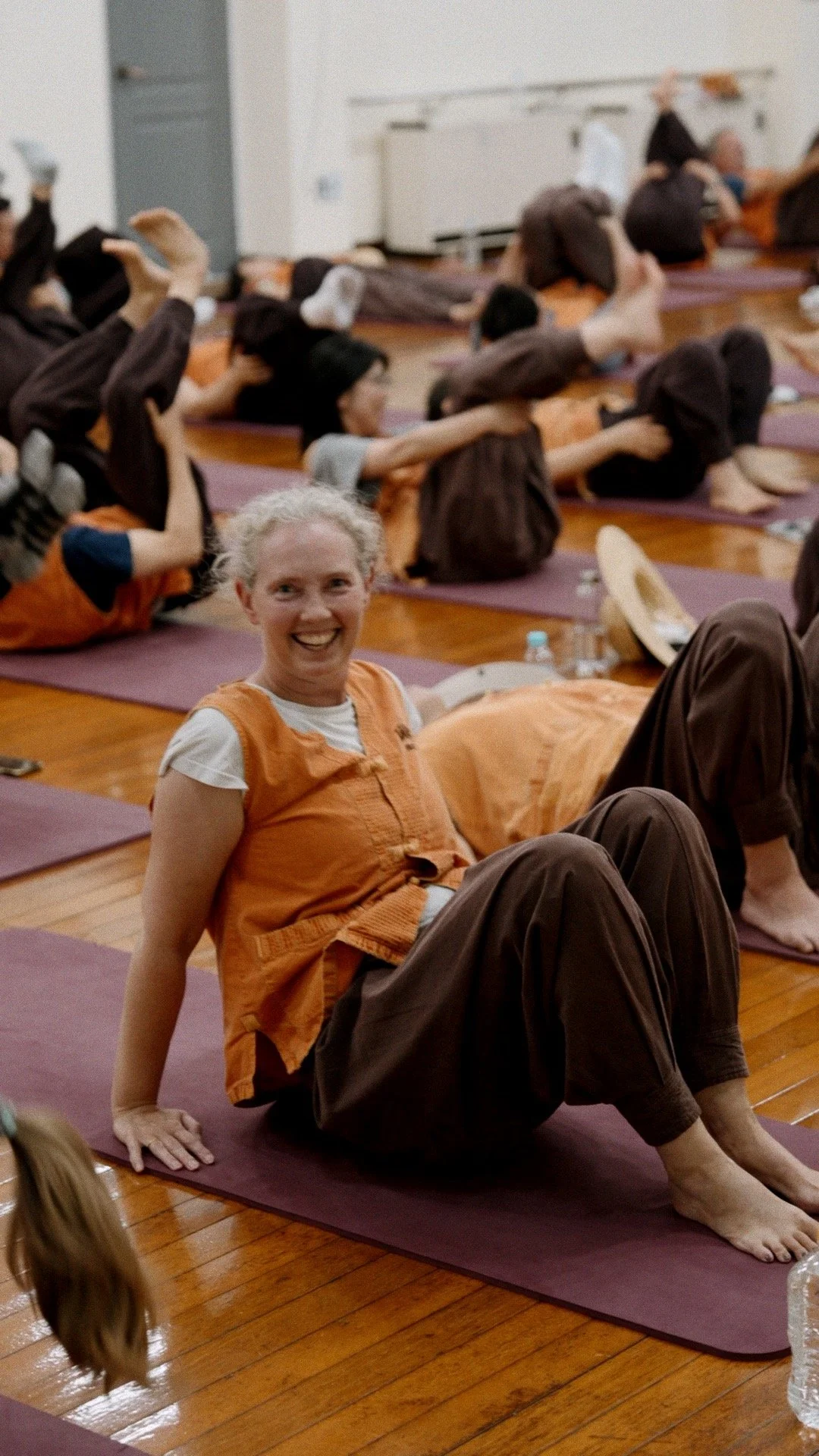
Sometimes that is enough. Sometimes the beginning of rest is simply realizing how tired you were.
When travelers come to learn
Master Hyunwoong also spoke with deep gratitude about foreign travelers who come to Golgulsa to learn.
He said it moves him to see people travel all the way to Korea to experience traditional Korean culture, especially when many Koreans themselves may not always pay close attention to it. Even when teaching can be tiring, he tries to share Korean tradition and mind practice with sincerity.
That feeling is close to what we believe at Goodmate Travel.
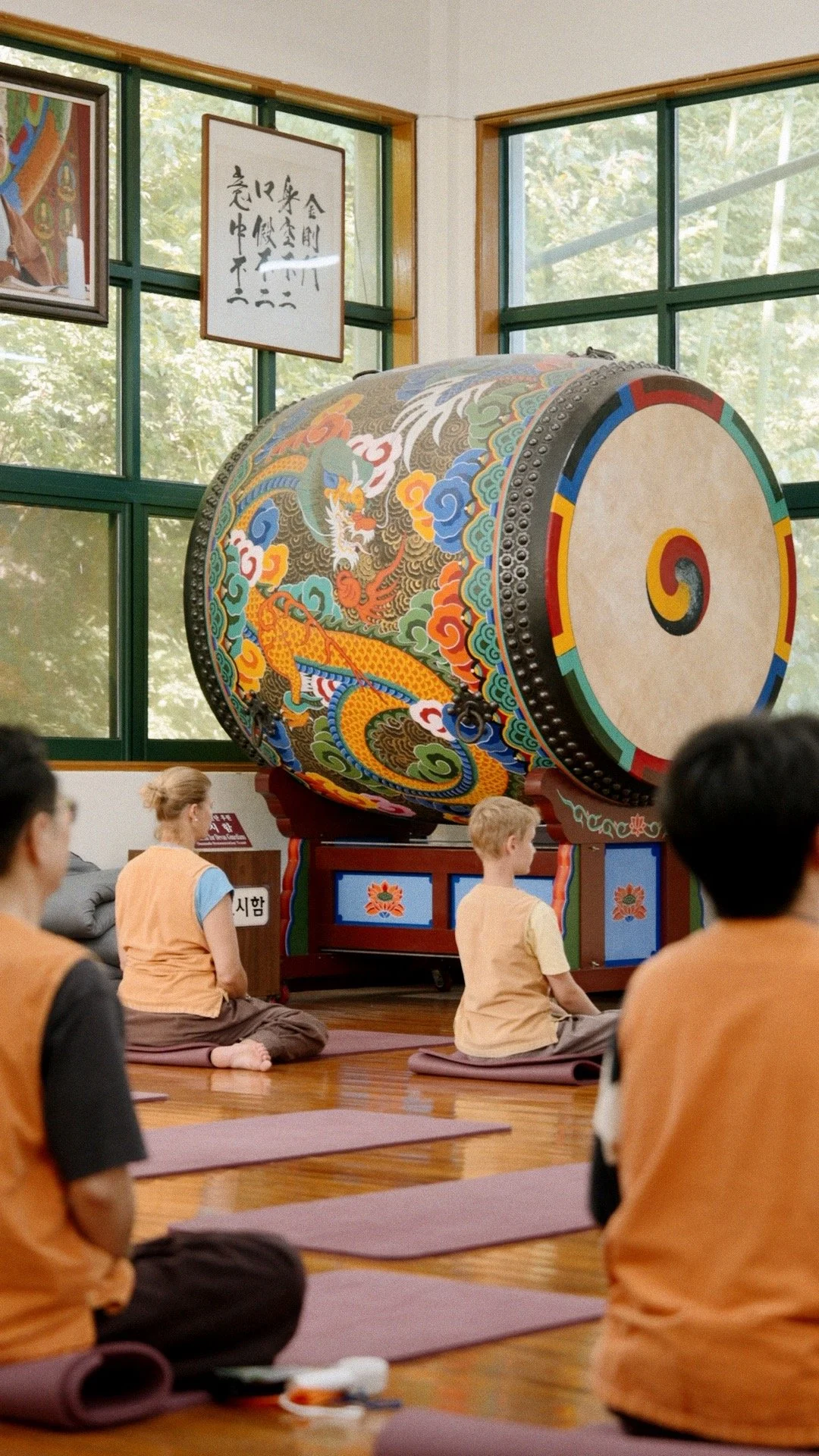
Travel becomes meaningful when it is not only about seeing something, but about meeting the people who carry it forward. A temple is beautiful because of its architecture, mountain setting, and long history. But it becomes unforgettable when someone opens the door and helps you understand what it means to them.
That is why we do not see Korean Buddhist culture only as something ancient. We see it as something alive — in a grandmother’s quiet prayer, in lanterns glowing above a spring street, in a monk teaching breath and movement, and in a traveler bowing awkwardly for the first time.
Alive in the simple wish to live with a little more peace.
A place to return to yourself
When I think back to my grandmother now, I no longer remember only the difficult climb or the strange statues. I remember her hands. I remember the sincerity in the way she bowed. I remember that she carried our family in her heart and brought that heart to the temple.
As a child, I thought we were going there to ask for something. Now I think we were also going there to put something down.
That may be what Korean temples still offer: not an escape from life, but a way to return to it more gently. A place where the body slows down, the mind becomes quieter, and the heart has room to speak.
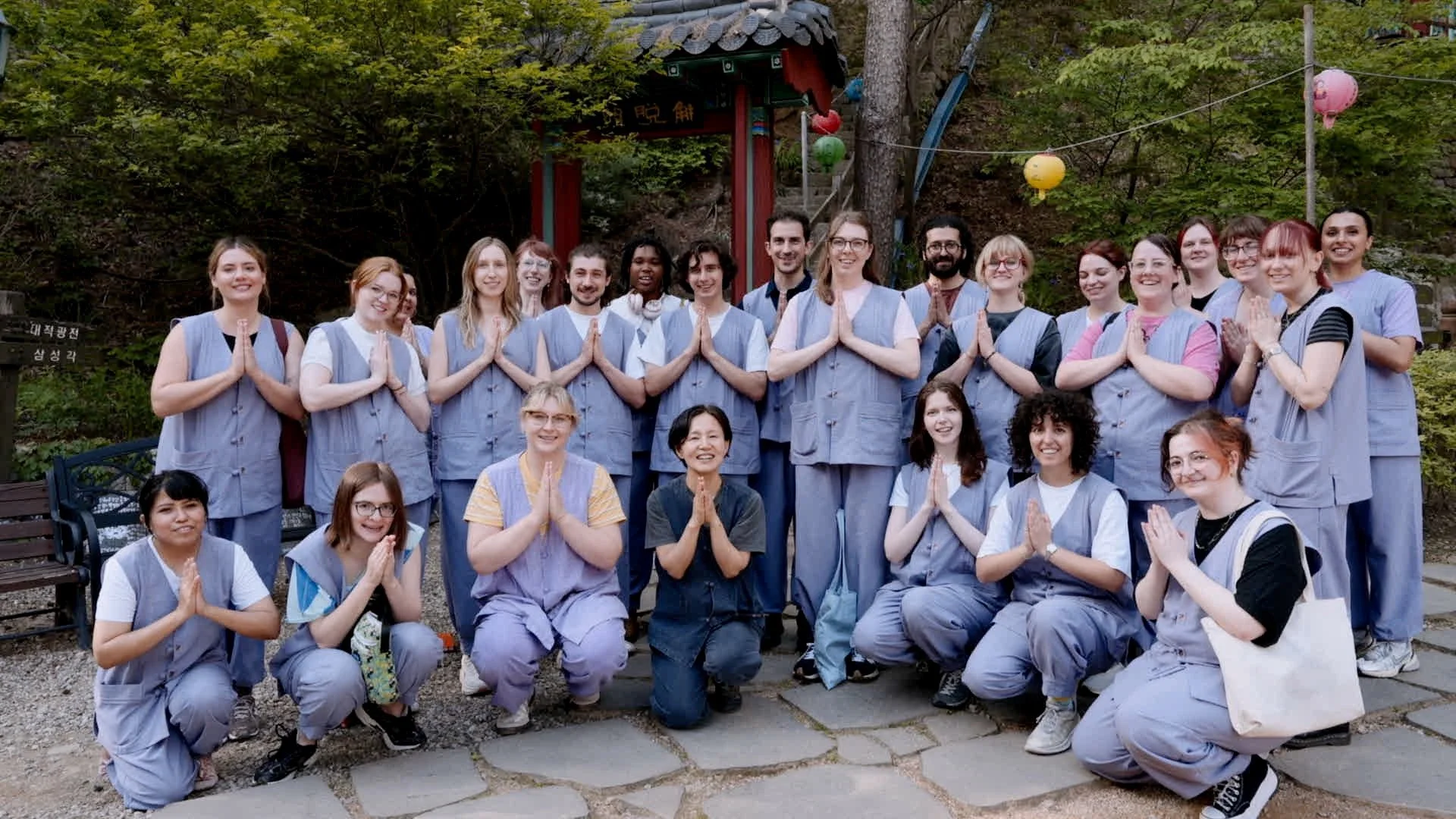
For travelers, Korean Buddhism is not something you need to fully understand before you experience it. You can begin with a walk through the temple gate, a cup of tea, a quiet bow, a simple meal, or a slow breath in the mountains.
And perhaps, somewhere in that stillness, you may find what many Koreans have found there for generations. A place to breathe.
If you would like to experience Korea not only through its famous places, but through the people, traditions, and quiet moments that continue to shape its spirit, our Korea Discovery Tour is a beautiful place to begin.
