
Things You Should Know Before Traveling to South Korea
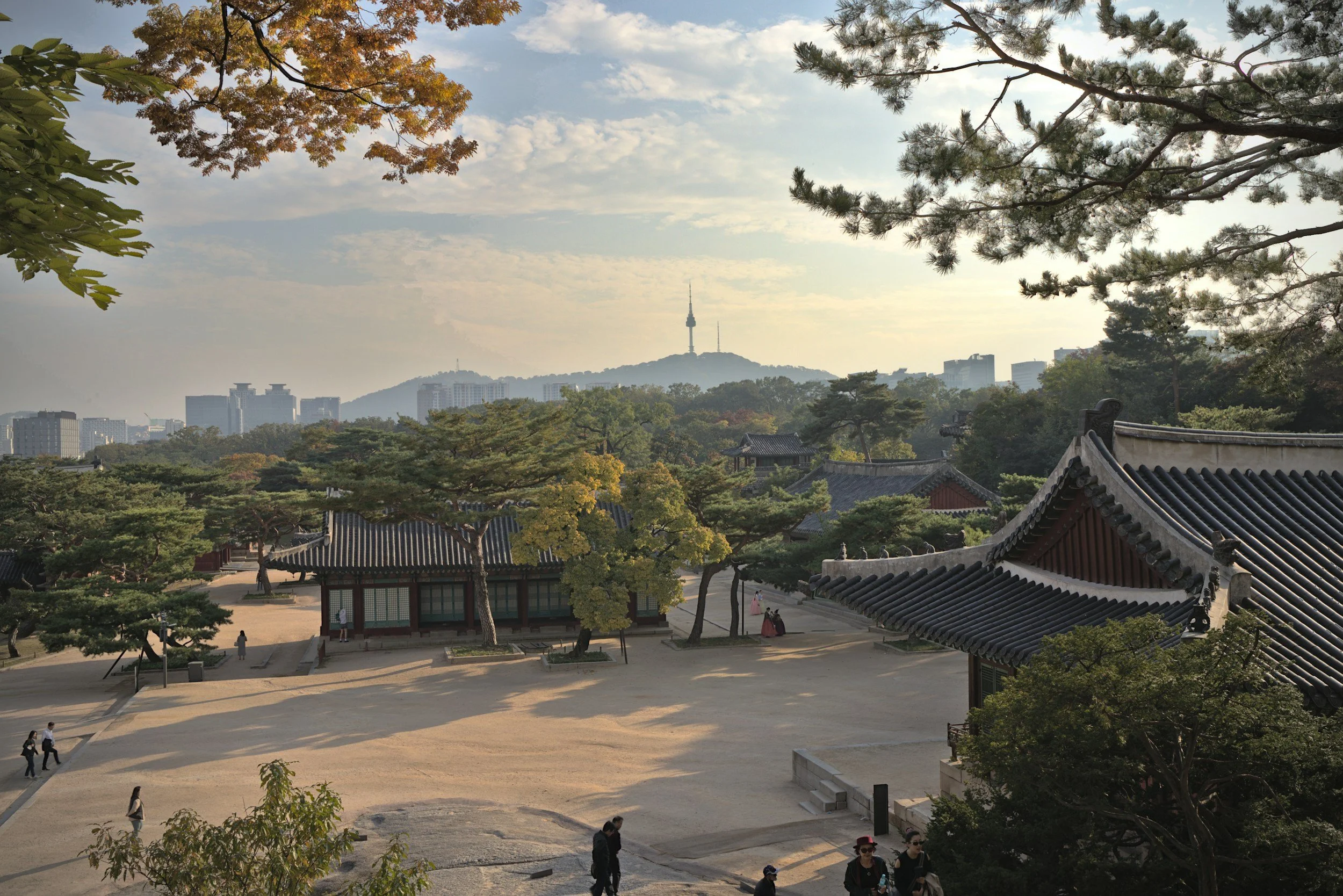
You’ve booked the flights to Korea. You’ve maybe learned to say 안녕하세요 Annyeonghaseyo (Hello). But be honest: as the date gets closer, is there a tiny voice in your head asking, “Am I actually ready for this?” It happens to almost everyone. The initial excitement of visiting South Korea often comes bundled with a sudden wave of practical questions about two weeks before departure.
“Will I be able to read the signs? Is it safe to walk alone at night? What if I accidentally offend someone?”
If you are feeling these pre-trip jitters, take a deep breath. You are not alone. As someone who lives here and has watched countless travelers arrive with tight shoulders and leave with full hearts, I can tell you that Korea is welcoming, organized, and deeply rewarding.
To help you trade that anxiety for calm anticipation, here are the honest answers and local tips to the seven most common questions travelers ask before landing at Incheon Airport.
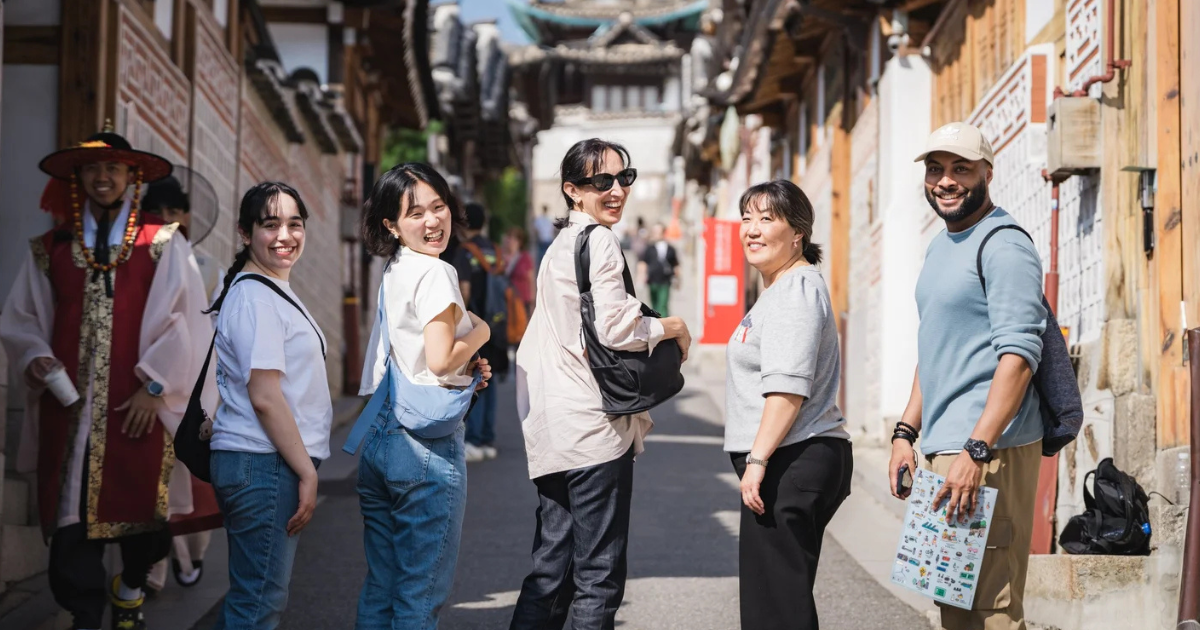
1. Is South Korea safe to travel to?
The short answer is: yes, exceptionally so. South Korea consistently ranks among the safest countries in the world. Violent crime against tourists is extremely rare. It is one of the few places on earth where you can leave your laptop on a café table to use the restroom and find it exactly where you left it when you return.
For women travelers, walking alone at night in major cities like Seoul or Busan is generally very safe. The streets are well-lit, and there is a dense network of 24-hour activity that acts as a natural neighborhood watch.
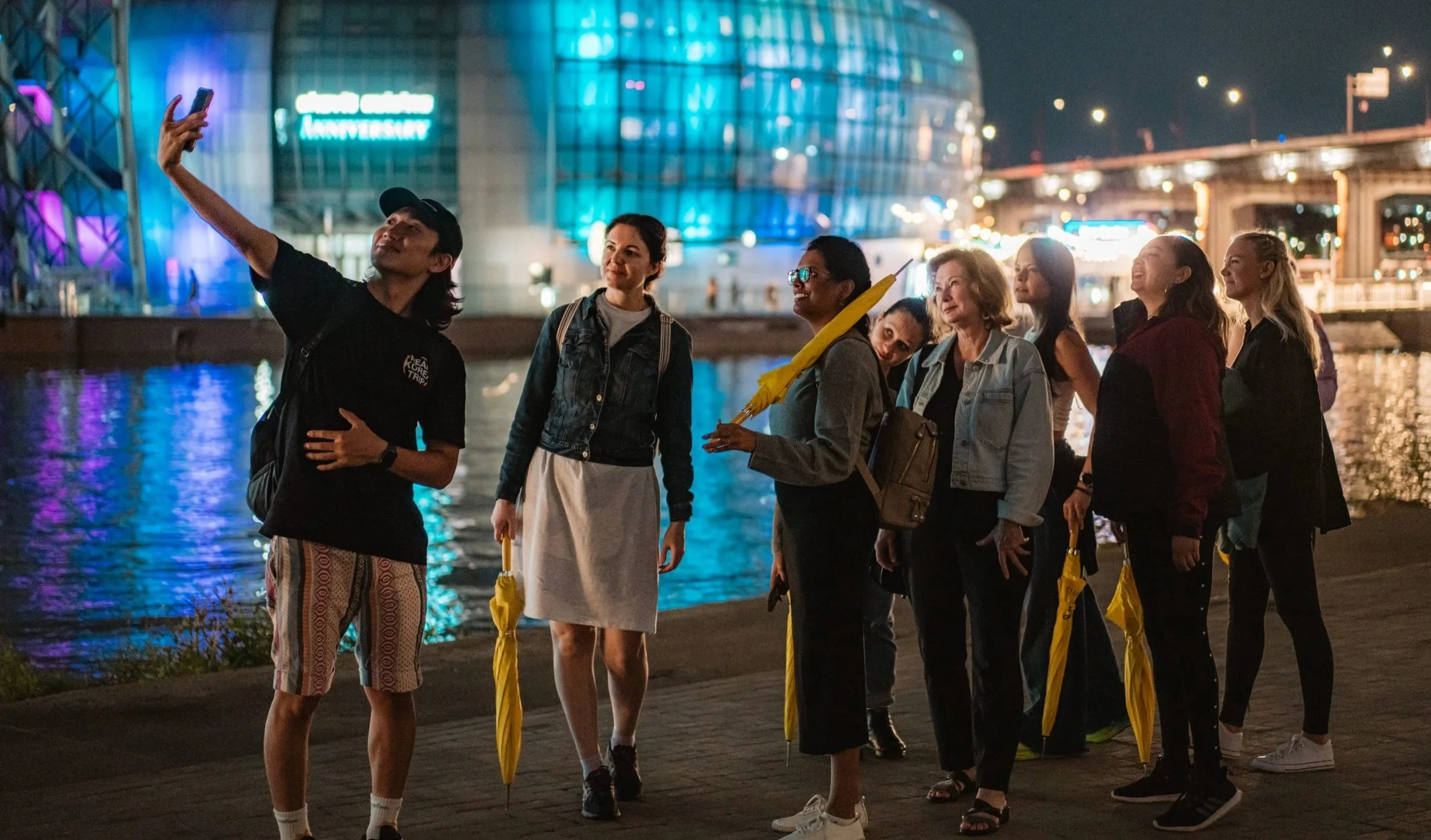
However, "safe" doesn’t mean you should leave your common sense at home. The biggest risks here are rarely criminal; they are usually situational. Watch out for delivery motorcycles (which often drive on sidewalks to save time) and be aware that nightlife districts can get rowdy on Friday and Saturday nights.
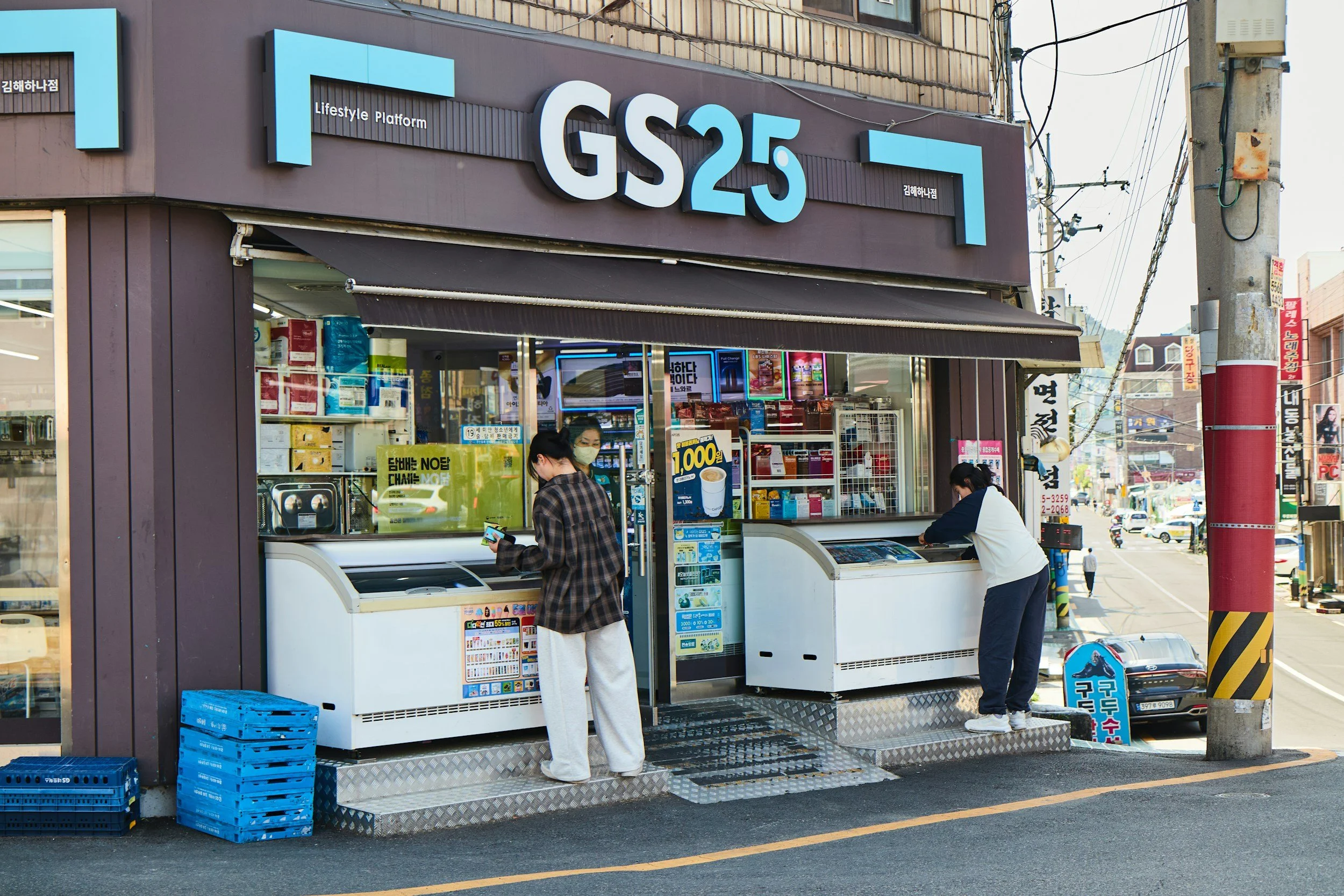
Local Tip: If you ever feel uncomfortable or need help late at night, duck into a convenience store (GS25, CU, 7-Eleven). They are open 24/7, staffed, bright, and found on almost every corner. They serve as unofficial "safe zones" in every neighborhood.
2. Will I struggle if I don’t speak Korean?
You will not struggle, but you will need to rely on technology. The days of needing a phrasebook to survive are over, but English proficiency varies. In Seoul’s tourist hubs and major hotels, communication is easy. In local restaurants, traditional markets, or taxi cabs, English is often limited.
The key to bridging the gap is Papago. While Google Translate is familiar, Papago (a Korean translation app) is significantly more accurate for Korean grammar and honorifics. Download it before you fly. Its image translation function is a lifesaver—simply snap a photo of a Korean menu or an air conditioner remote, and it translates the text instantly.

Don't let the language barrier stop you; locals are generally shy about speaking English due to a fear of making mistakes, but they are incredibly helpful if you approach them with a smile.
Local Tip: Learn just two phrases: “An-nyeong-ha-se-yo” (Hello) and “Gam-sa-ham-ni-da” (Thank you). A little effort goes a very long way. If you are stuck, a warm smile and showing your translated phone screen usually solves everything.
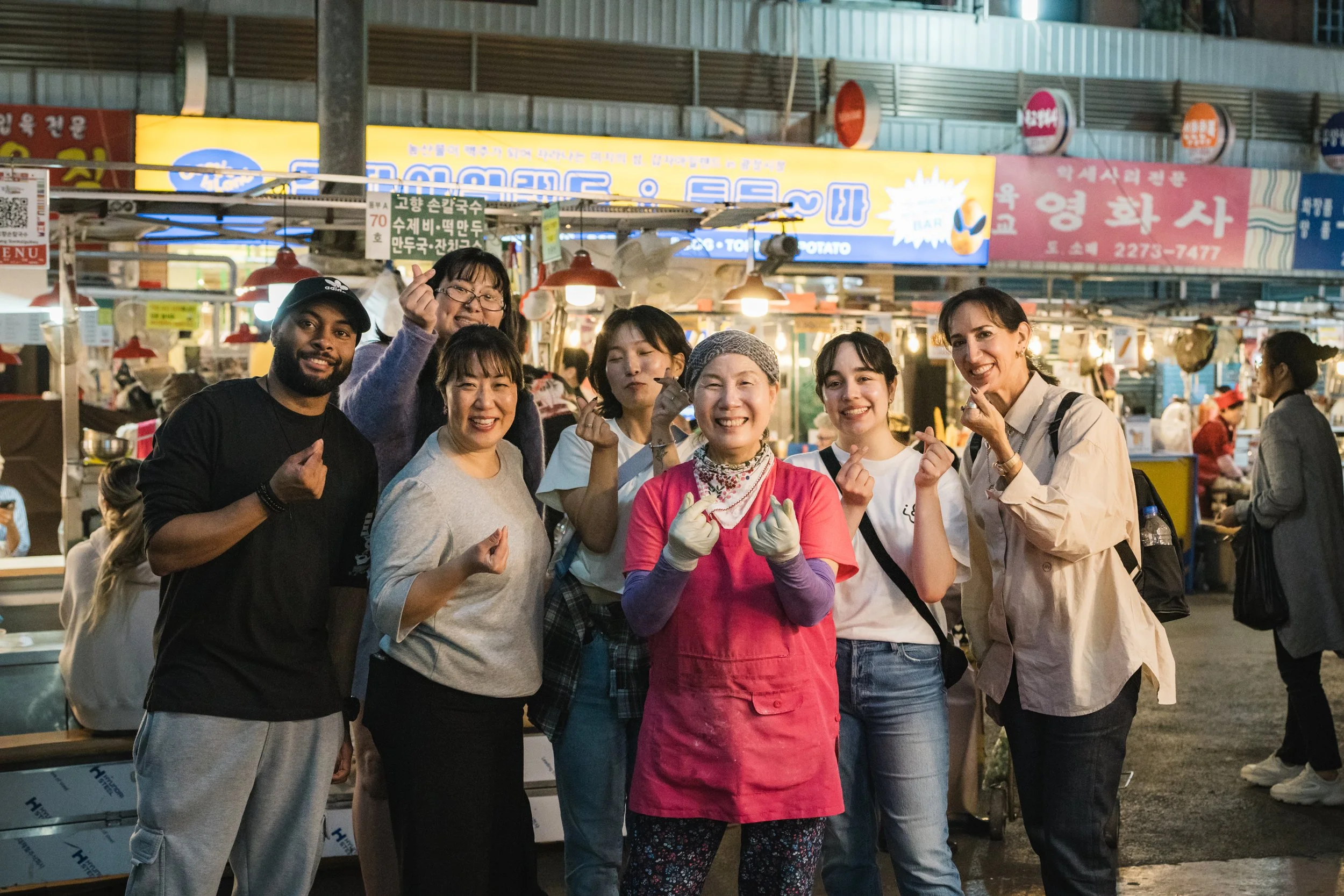
3. How much walking is there in South Korea?
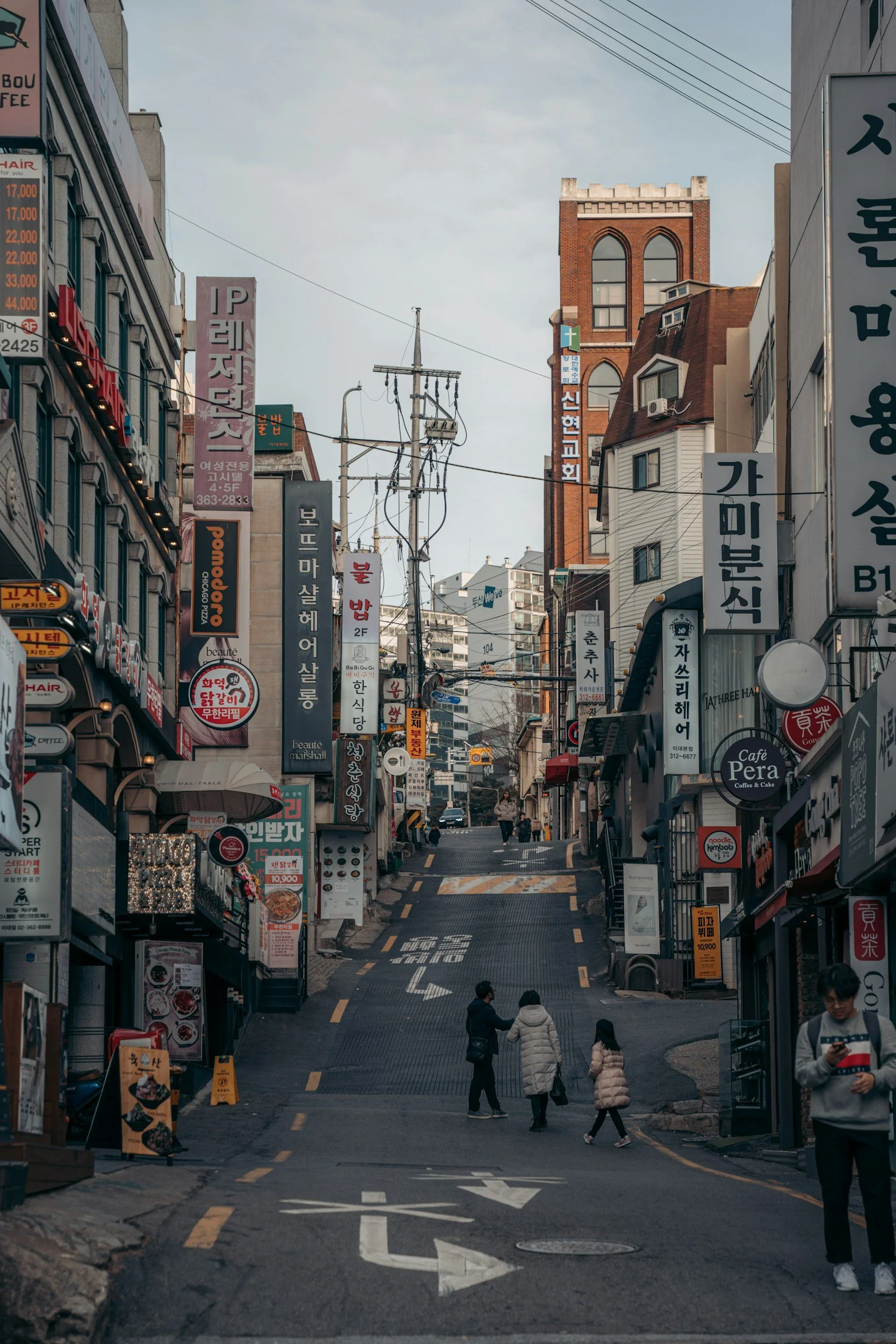
This is the number one thing travelers underestimate. South Korea is a mountainous country, and Seoul is a city of hills. Even "short walks" often involve steep inclines that can surprise you.
Furthermore, while the public transport system is world-class, it is vast. Transferring between subway lines often involves walking long underground corridors and climbing several flights of stairs (elevators are not always conveniently located). It is not uncommon for tourists to clock 15,000 to 20,000 steps a day without even trying.
If you have knee issues or low stamina, pace yourself. Balance your itinerary so that heavy walking days are followed by lighter days spent in cafes or spas. And don't be afraid to hail a taxi—they are relatively affordable compared to Western cities and can save your energy for the actual sights.
Local Tip: Leave the cute heels or stiff dress shoes at home. Pack your most cushione d, broken-in sneakers. In Korea, you will see locals wearing sneakers with everything—even formal dresses and suits. Here, comfort is king.
4. Do I need cash in South Korea, or can I use a credit card almost everywhere?
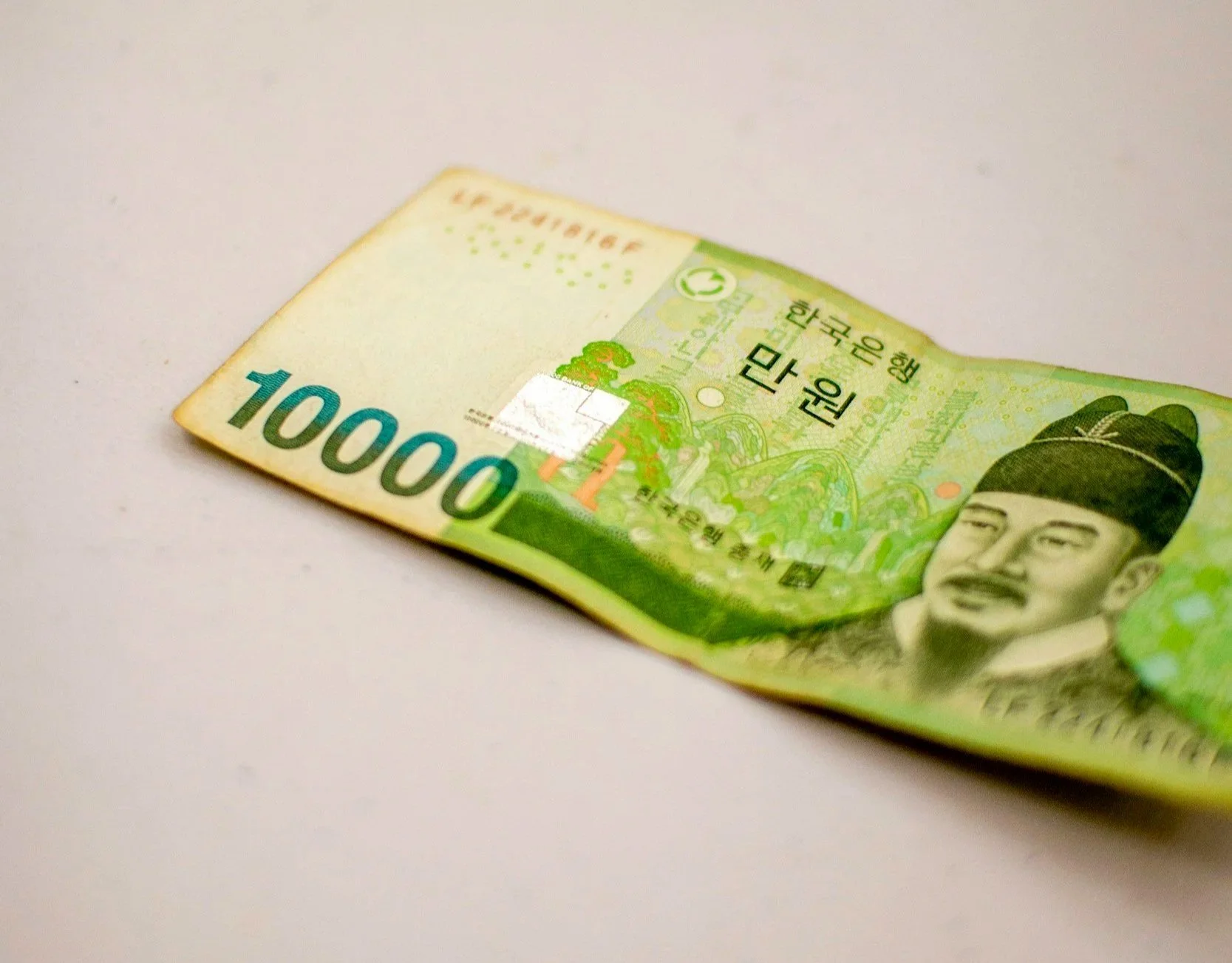
South Korea is rapidly becoming a cashless society. You can use your foreign Visa or Mastercard for almost everything: convenience stores, restaurants, taxis, department stores, and even many small cafes.
However, you cannot go 100% cashless. You absolutely need cash (Korean Won) for two specific things:
Street Food & Traditional Markets: That delicious hotteok (sweet pancake) or gimbap at the market stall is likely a cash-only transaction.
T-Money Card Reloads: The T-Money card is your transit pass for subways and buses. While you can buy the card with a credit card at a convenience store, you generally can only reload the balance with cash at subway station machines.

Local Tip: When using an ATM to withdraw cash, look for the sign that says “Global ATM.” Many local bank machines only accept Korean domestic cards. Global ATMs are standard in subway stations and major convenience stores.
5. Is Korean food always spicy—and what if I have dietary restrictions?

Korean cuisine is famous for its heat, but it is a myth that everything is fiery. There is a whole world of non-spicy Korean comfort food: Seolleongtang (ox bone soup), Bulgogi (marinated soy beef), Kimbap (rice rolls), and Jeon (savory pancakes).
If you want to avoid spice, memorize the phrase “안 매운거 있어요? An mae-un geo isseoyo? (Do you have something not spicy?)"
Dietary restrictions, however, require more care. Vegetarianism is growing but not yet mainstream. Many vegetable dishes are seasoned with fish sauce or shrimp paste, and "meat-free" sometimes just means "no big chunks of meat." Gluten-free travelers also face hurdles, as soy sauce (which contains wheat) is in almost everything. If you have strict allergies, print out a dietary card in Korean explaining exactly what you cannot eat.
Local Tip: For vegetarians, “Temple Food” restaurants are your safest and most delicious bet. They are strictly meat-free and often avoid strong aromatics, offering a gentle, healthy, and deeply cultural dining experience.
6. What cultural differences surprise travelers the most?
Korea is a modern society, but it runs on deep-seated values of respect, hierarchy, and community. Here are three things that often catch first-timers off guard:
No Tipping: Tipping is not expected or required in South Korea—not in taxis, restaurants, or hotels. In fact, trying to tip can sometimes cause confusion or embarrassment. The price you see is the price you pay.
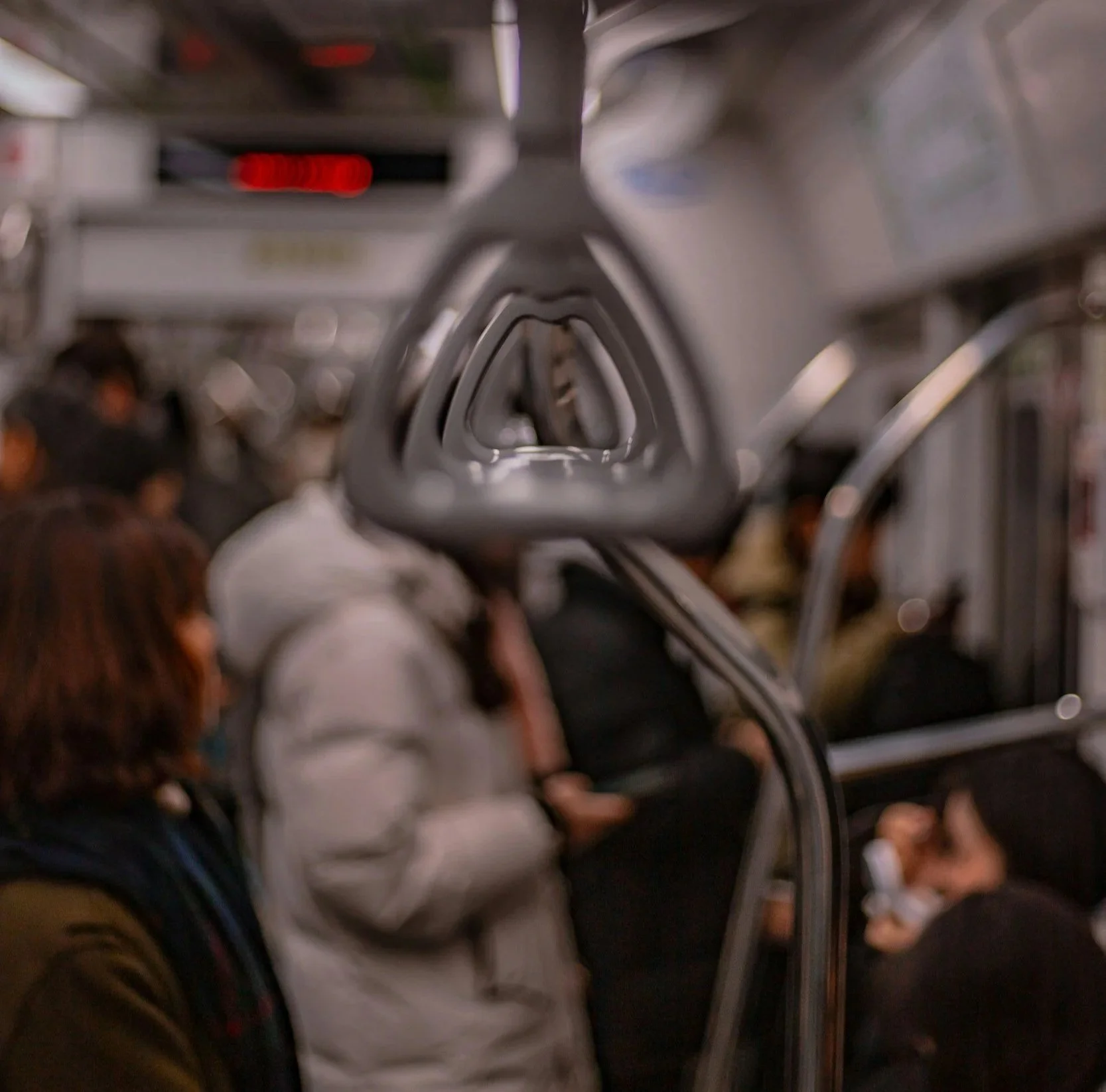
The "Quiet" Subway: The subway is incredibly quiet. People whisper, text, or watch videos with headphones. Loud conversations are frowned upon. Also, never sit in the seats designated for the elderly or pregnant women, even if the train is full.
Recycling is Serious: You won’t find many public trash cans on the street. Koreans carry their trash home or to designated spots. If you have an empty coffee cup, you may have to hold onto it until you find a subway station bin or return it to the cafe.
Local Tip: If you are handing something to someone (a credit card, a gift, money), use two hands. It is a sign of respect. Even supporting your right forearm with your left hand as you reach out counts as a polite gesture. and especially if you want to dive into Korea's drinking culture, click here. We cover everything from A to Z about the proper way to drink Soju.
7. Is it better to travel independently or join a small group tour?
This depends entirely on your travel style and how much mental energy you want to spend on logistics.
Independent travel offers total freedom. If you are tech-savvy, comfortable navigating complex subway maps, and enjoy the thrill of getting lost and finding your way back, Korea is a great playground. The KTX (high-speed train) makes inter-city travel very efficient.
Small group travel is often the "sweet spot" for Korea. Because the culture is so nuanced and the language barrier is real, having a local insider bridges the gap. You get to eat at the barbecue restaurants that don't have English menus, you have private transport to skip the subway stairs, and most importantly, you get context. You aren't just looking at a palace; you're hearing the story behind it.
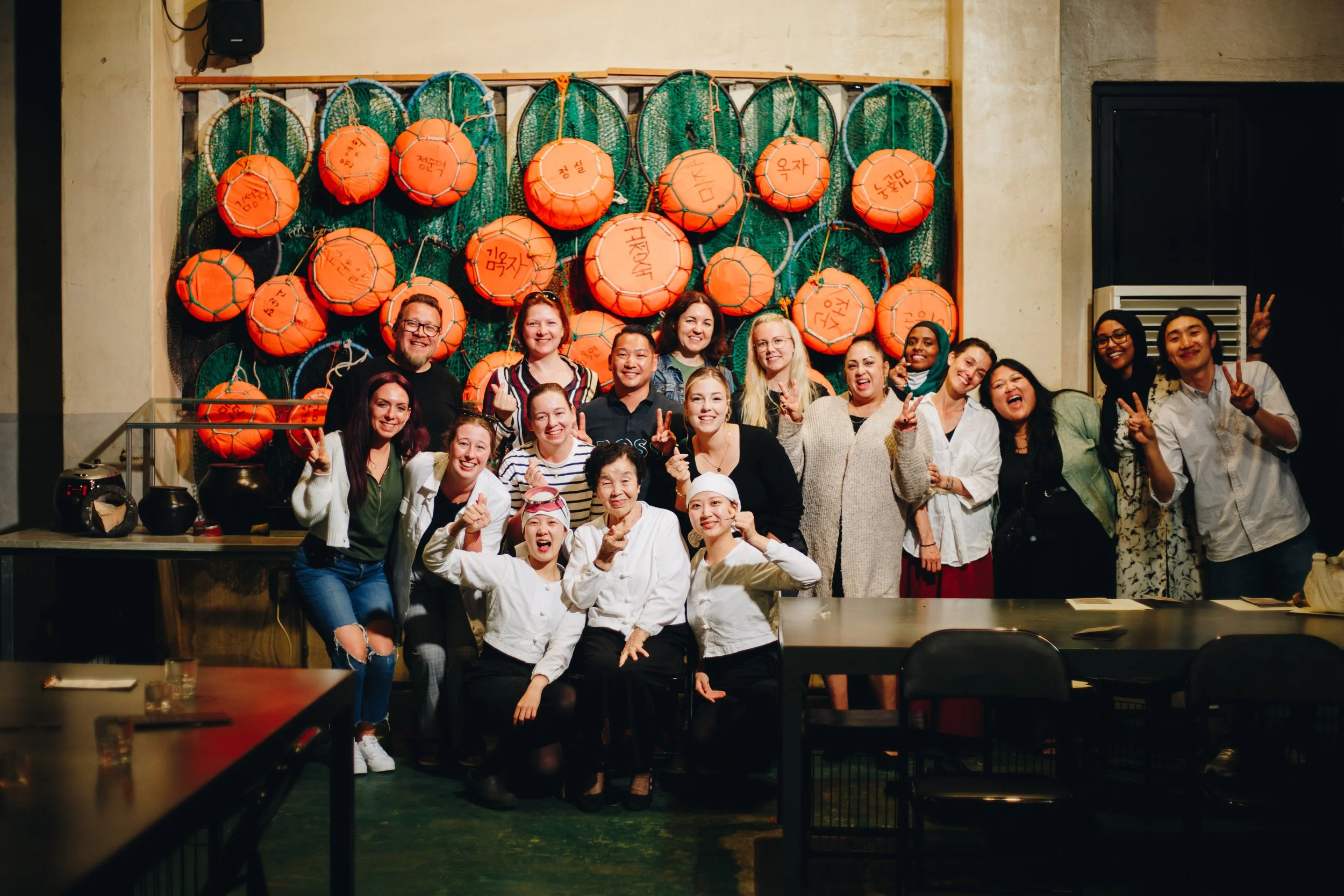
There is also the factor of dining. Korean food is inherently social; many famous dishes (like K-BBQ or Dakgalbi) are served in "2+ person" portions, which can make solo dining tricky at peak hours. A small group solves this instantly—you always have someone to share the grill with.
Local Tip: A popular approach is to start your trip with a few days in a small group to get comfortable with the etiquette, food, and transport, and then extend your stay for a few days of independent exploration once you feel confident.
The Best Way to Prepare is simply to Go
Traveling to South Korea is a journey into a place that honors its past while sprinting toward the future. It is safe, vibrant, and incredibly welcoming once you know the ground rules. The anxiety you feel now is just the precursor to the awe you will feel later. Whether you choose to navigate the neon streets of Seoul on your own or prefer the ease and deep connection of traveling with a small group of like-minded explorers, the most important thing is that you go.
The food will taste better than the photos. The history will feel deeper than the guidebooks. And the memories will last long after your legs have recovered from the hills. Hope this guide has cleared away your worries and left you ready to explore. If you’re looking for a travel experience that balances deep local insight with the comfort of a small group, we invite you to explore our Goodmate Original Tours.
