
What Korean Local Markets Taught Me How to See People
The Market announces Itself
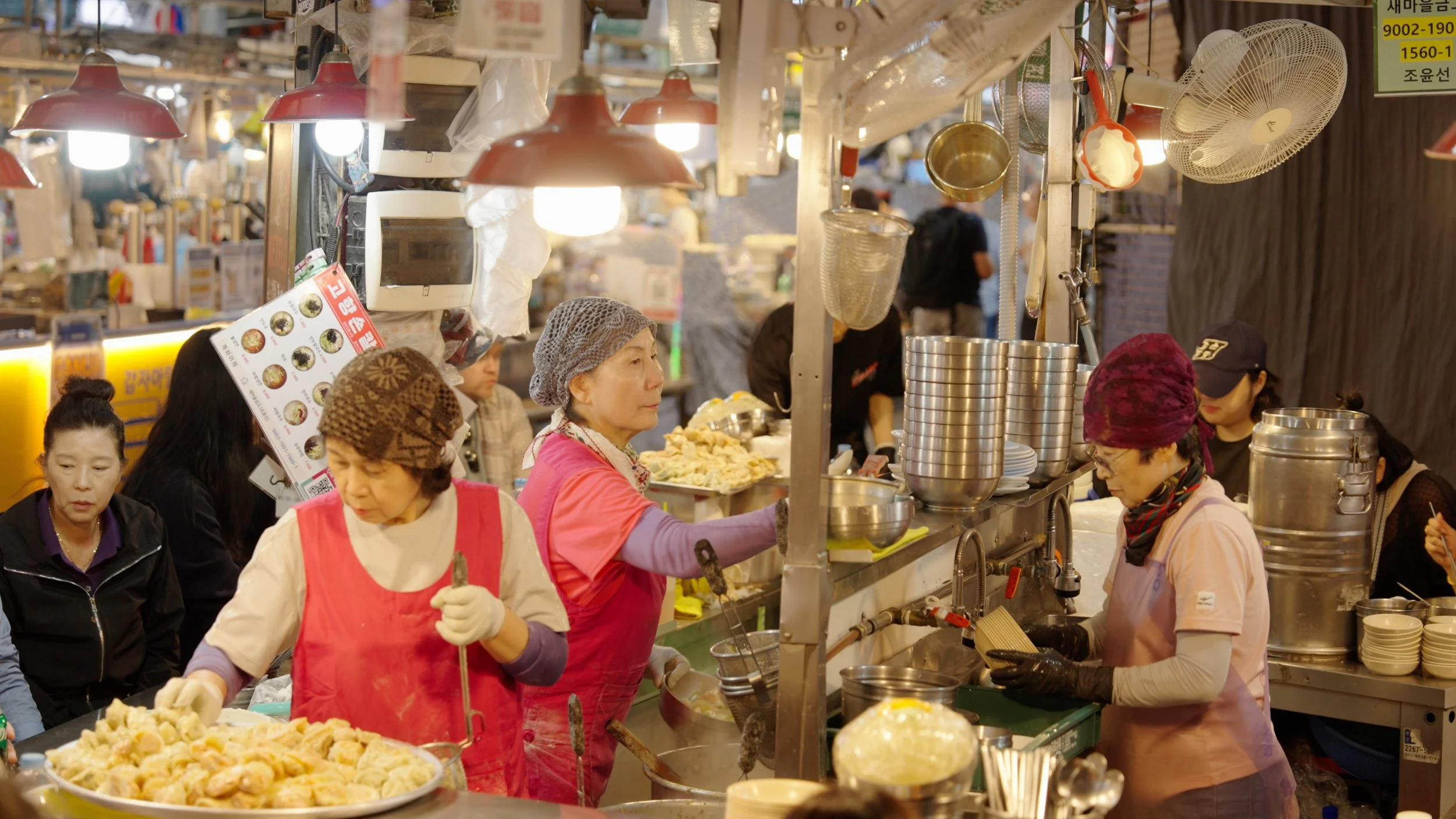
The steam hit my face before I even stepped inside.
Someone shouted a price.
A knife struck a wooden board.
A bowl of noodles slid across a metal counter.
This is how Korean local markets announce themselves.
Not quietly. Not politely. But honestly.
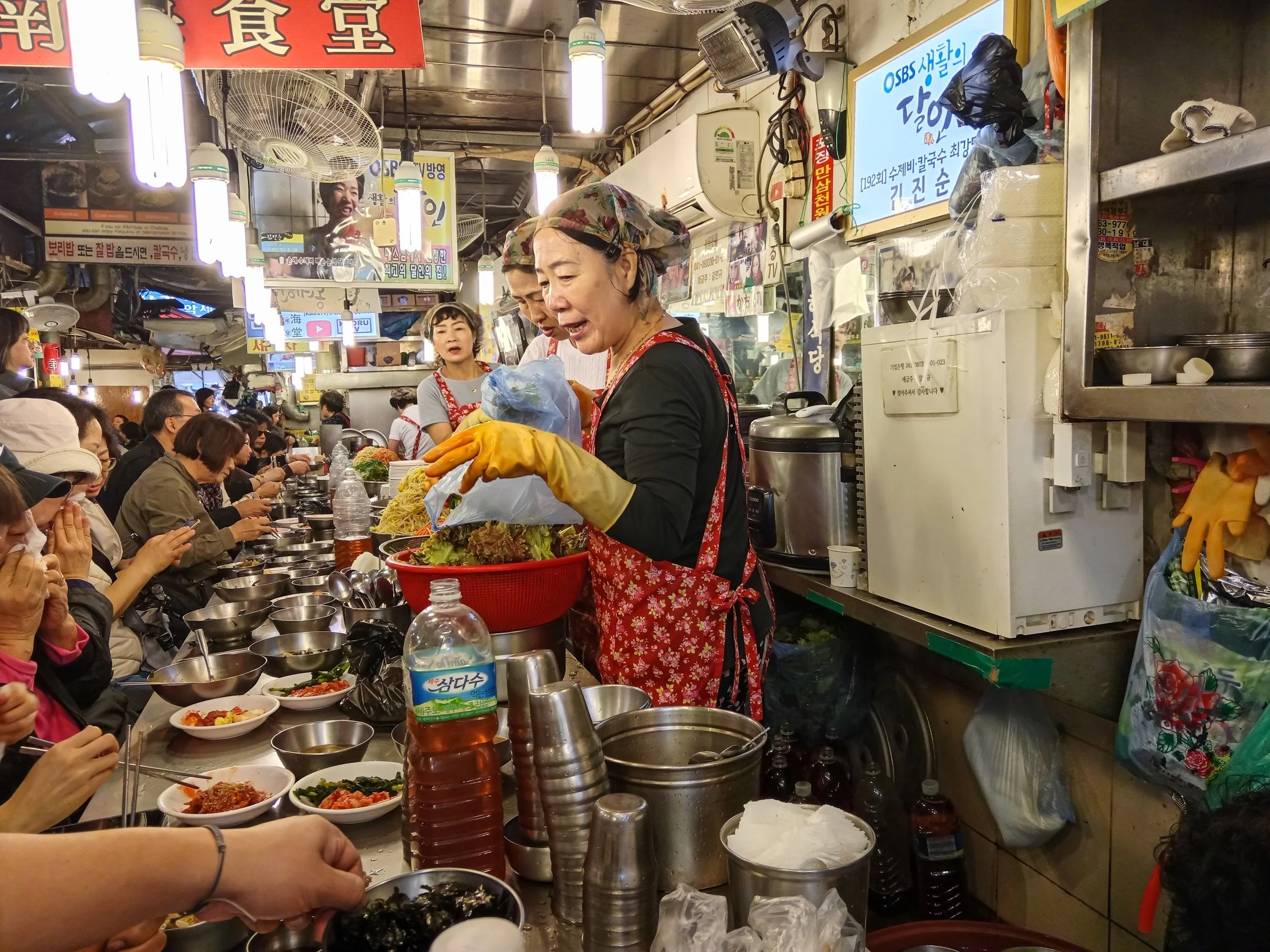
Korean traditional markets are not preserved museums or nostalgic backdrops. They are living places where the rhythm of everyday life shows up without rehearsal. You don’t need signs or explanations. If you stand still for a moment, the market tells you everything you need to know.
The Market Was My First Playground
I grew up in Busan which is a city known for sea and fish, and for me, the market was never a destination. It was simply part of life.
My father would sometimes come home with freshwater fish he had caught himself. My mother would take them to the market to sell. And I would follow her—naturally, without thinking twice. Long before I understood what a playground was supposed to look like, the market became mine.
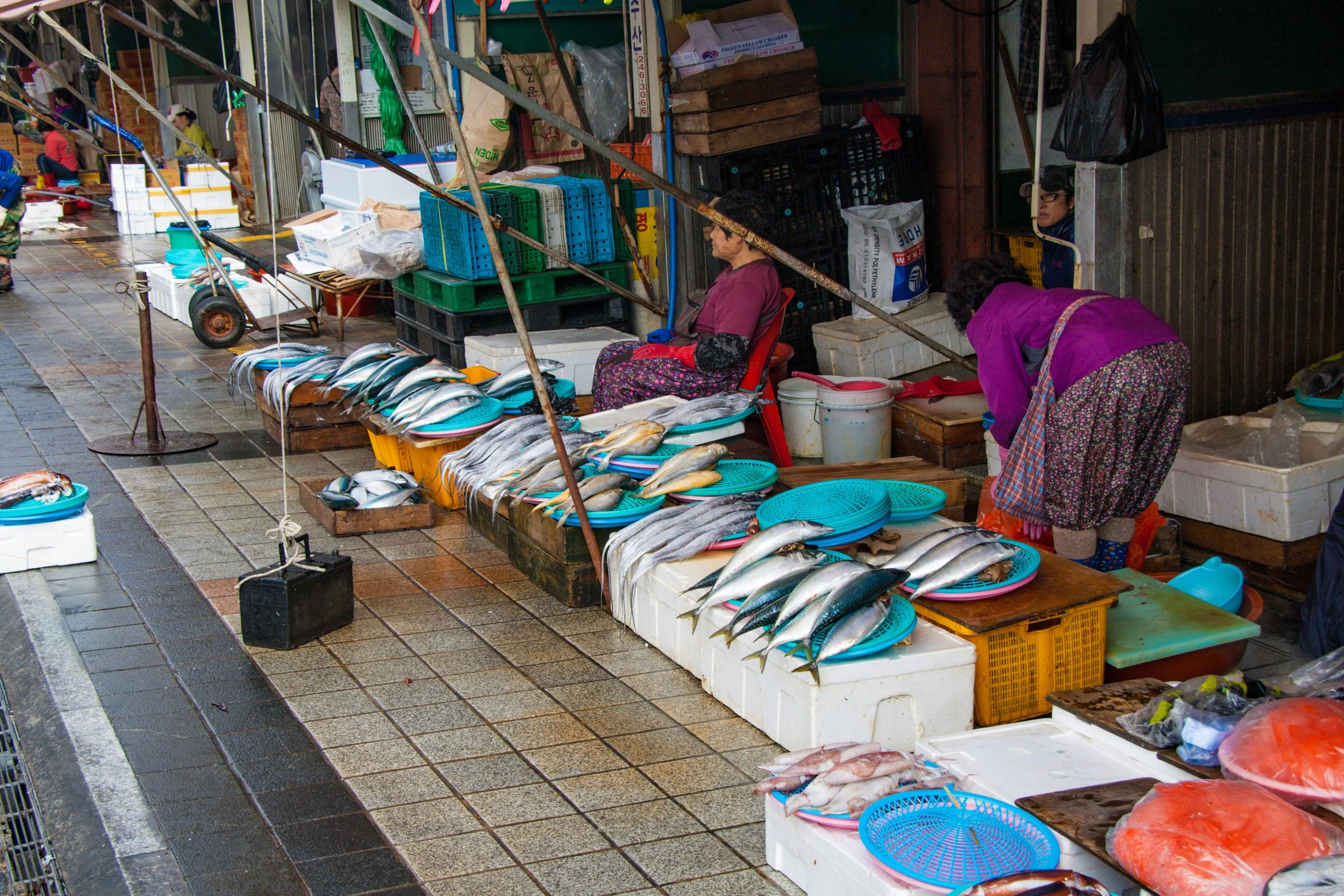
I ran between stalls instead of jungle gyms. I listened to adult conversations instead of cartoons. I learned the sounds of daily life—the scrape of knives, boiling broth, vendors calling out to familiar faces.
There was no clear line between adults and children in the market. Some people warmly treated me like a customer, others like family. Someone always handed me a bite of something warm, as if that was simply how things were done.
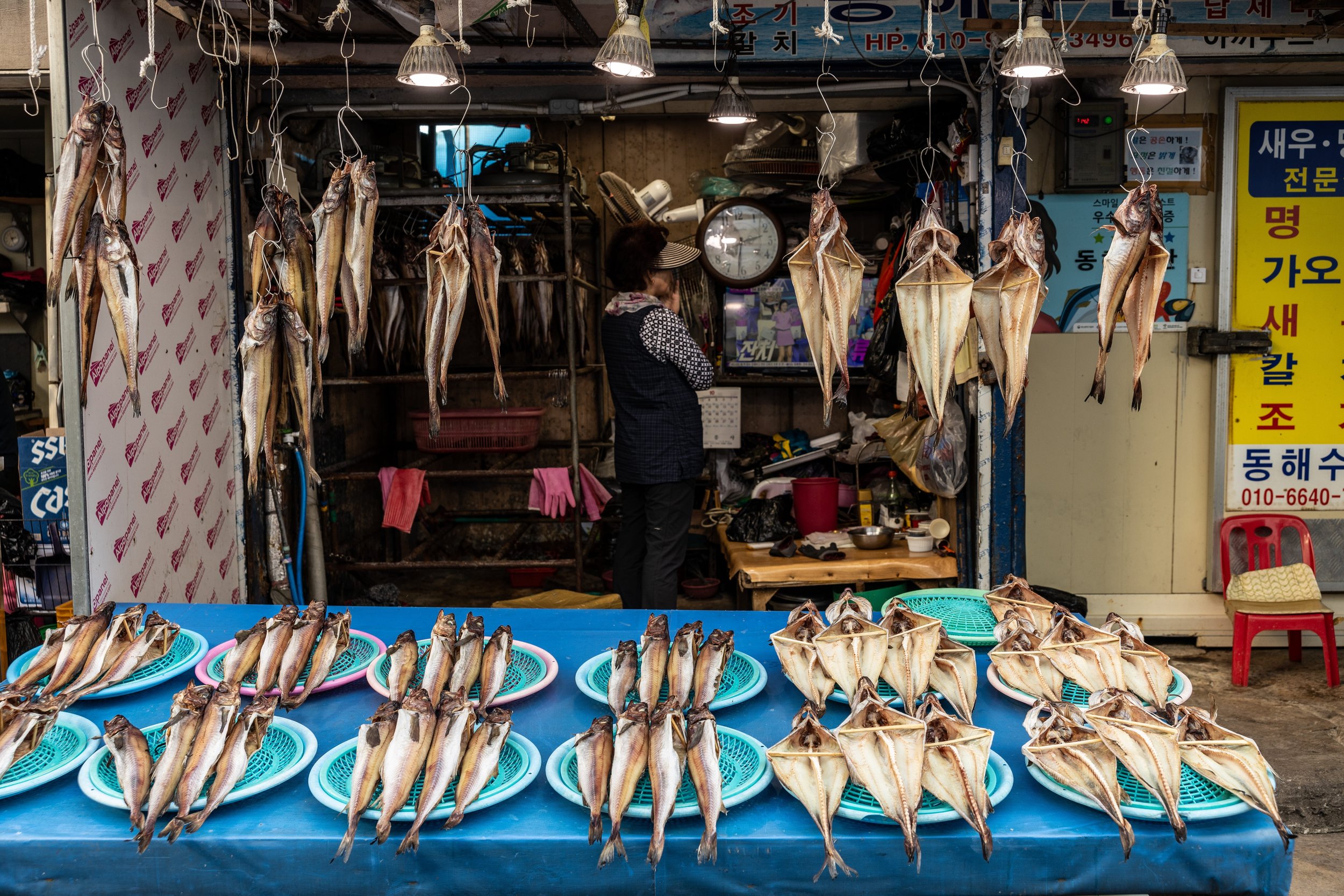
Looking back, I realize now that the market taught me something early on:
places are shaped by the people who stay.
That’s probably why, even today, I pay more attention to who is making the food than what’s written on the menu. The market didn’t teach me how to buy things—it taught me how to see people.
Meet Goodmate: Cho Yoonsun, At a Kalguksu Stall in Gwangjang Market
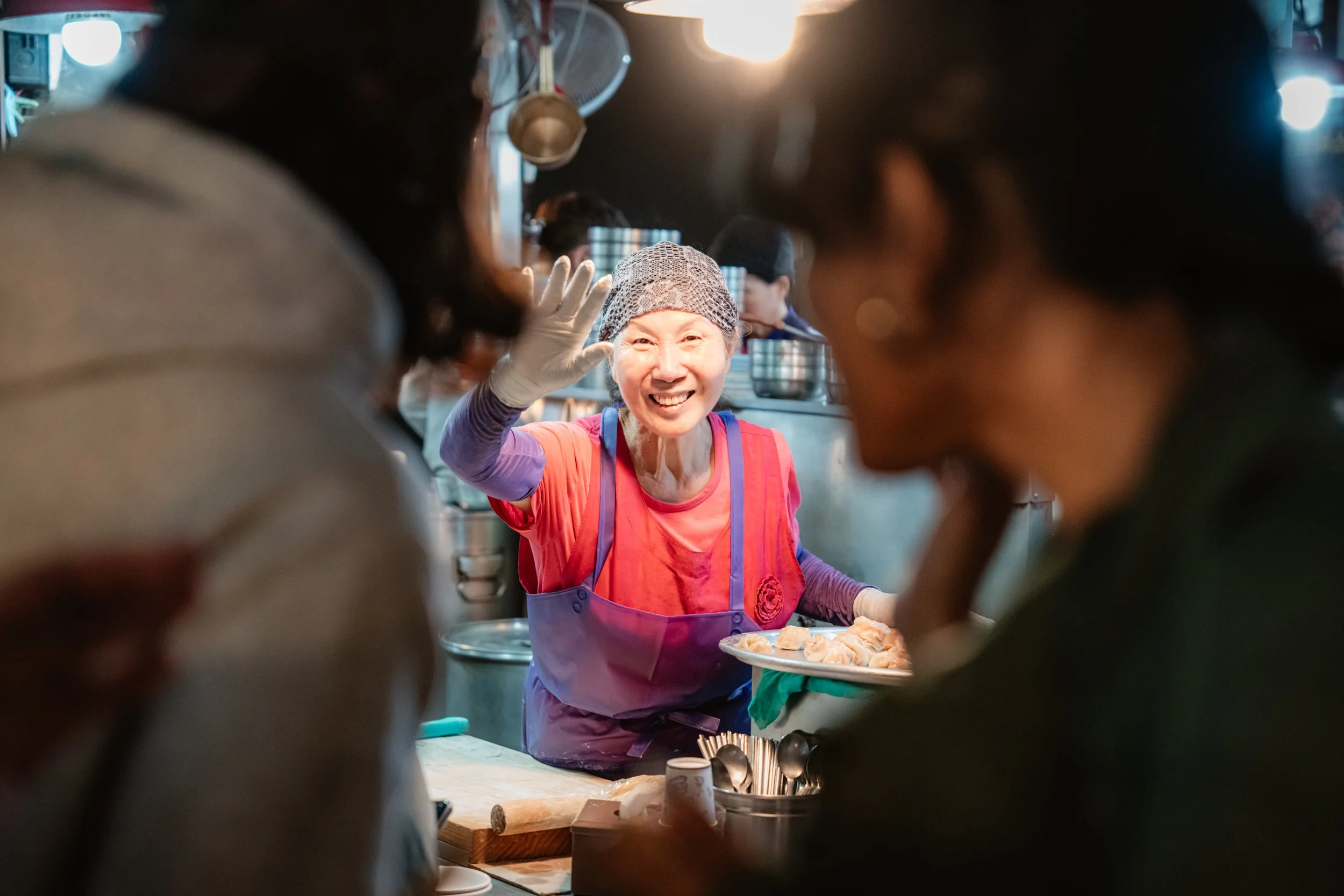
“I think the person selling the food and the food itself need to be a good match.”
Cho Yoonsun laughs as she says this. She runs a 칼국수 kalguksu (one of Korea’s most iconic traditional foods) stall at Gwangjang Market. She’s been standing behind the same counter for over twenty years—not because she had to, but because she wanted to.
“I’ve always loved flour-based food,” she tells me. “People even call me Bread Girl.”
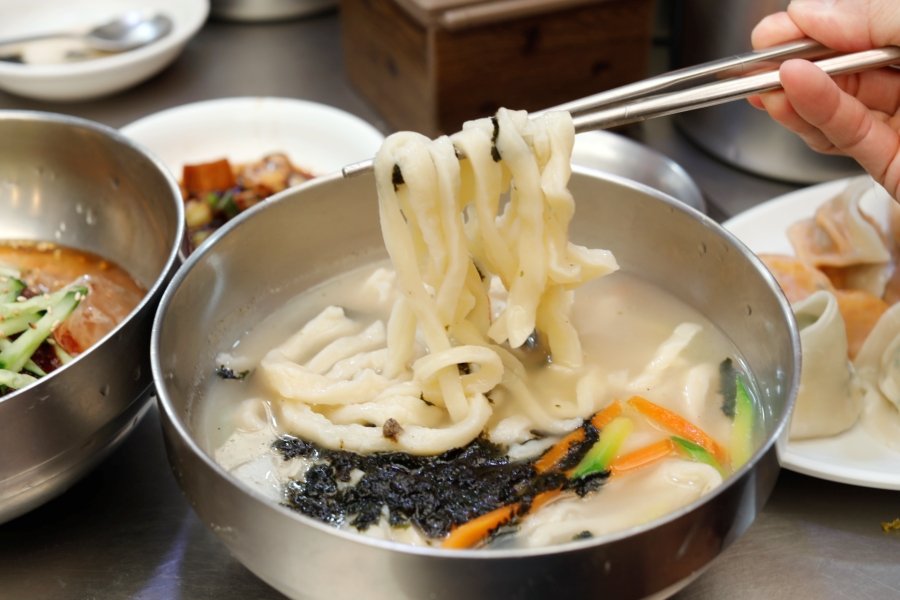
Kalguksu is more than her specialty. It’s how she raised her children, put them through school, and watched them get married. The work shaped her life, just as much as she shaped the work.
Because Gwangjang Market welcomes visitors from all over the world, she pays close attention to how people feel when they stop by her stall.
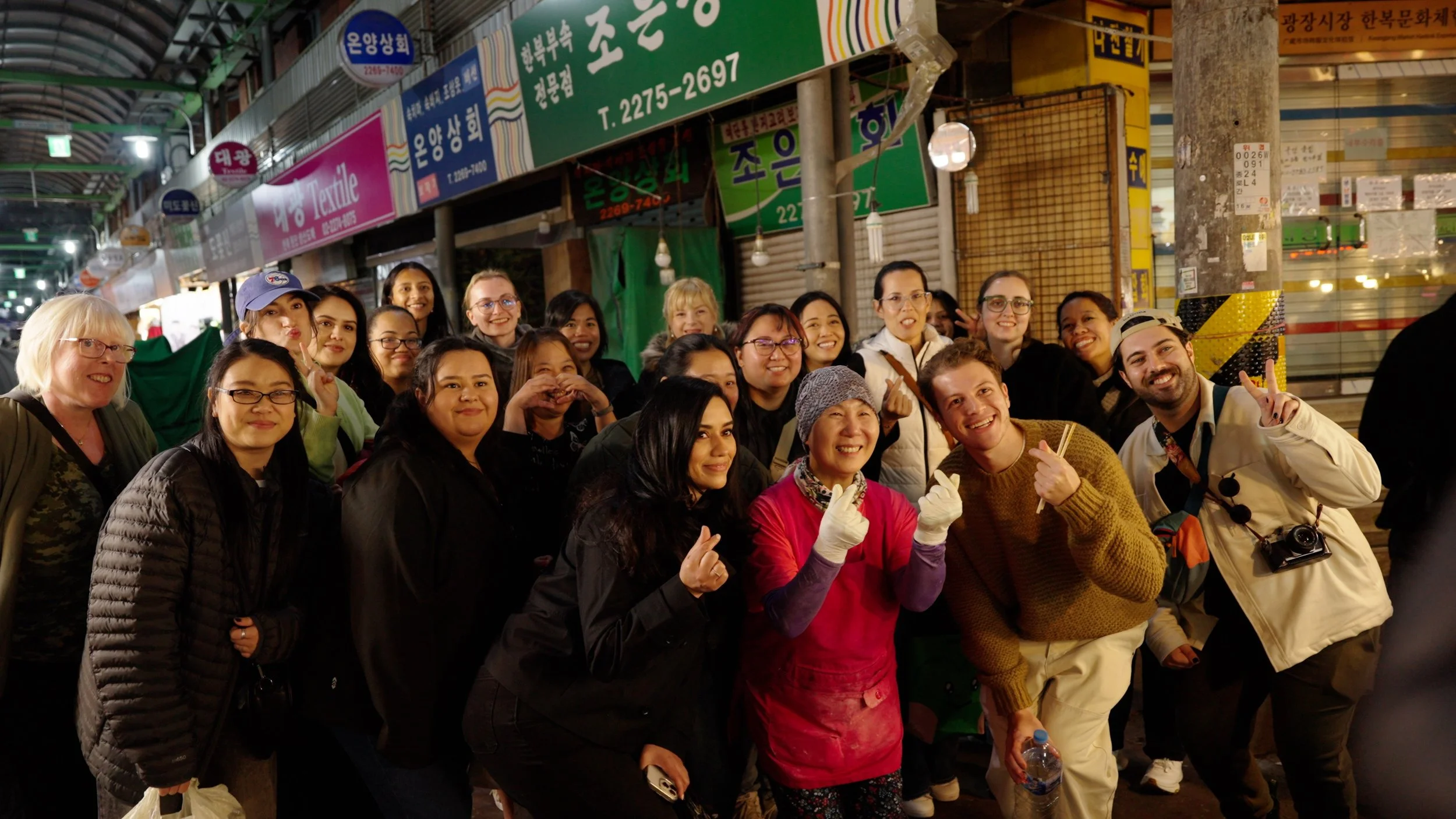
“I want them to leave with a good impression of Korea,” she says. “This is an open space, so I always keep it clean. And I try to be friendly to everyone.”
She’s eaten kalguksu her entire life.
“That’s how I knew I could sell it well,” she adds.
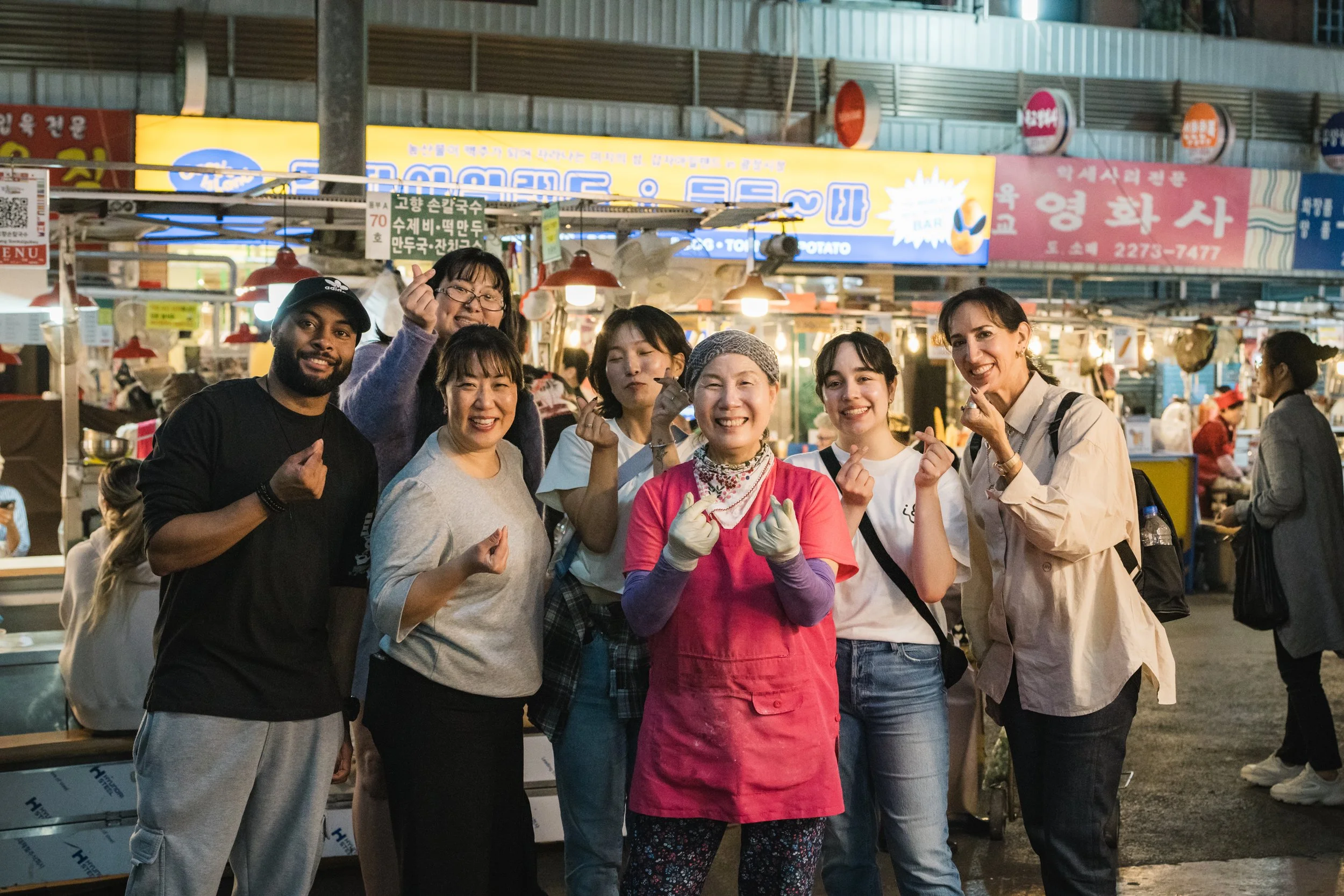
After two decades, she’s learned what matters most. Treat every customer with care. Greet everyone sincerely.
“That’s why I always say thank you,” she says. “감사합니다. gamsahamnida.”
What Markets Still Teach Us
In Korean markets, food is never just food.
A bowl of kalguksu holds repetition. It holds early mornings and long days. It holds the quiet pride of someone who chose to stay.
That’s why market food lingers in your memory. Not because it’s polished or perfect, but because you can see the person behind it. You can feel the time it took to get there.
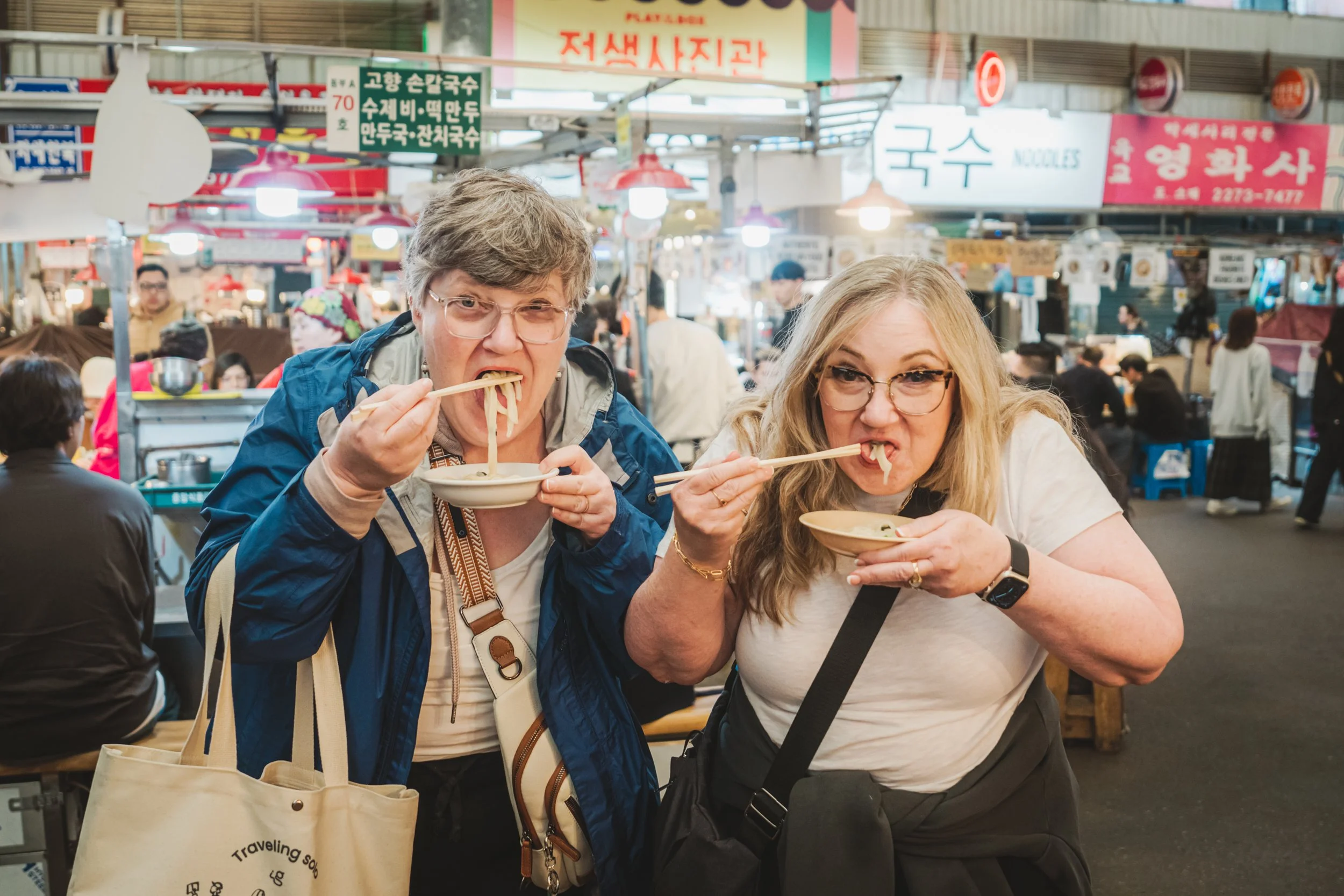
In a country known for speed and efficiency, traditional markets remind us of something essential: everyday life doesn’t need to be optimized to be meaningful. It just needs to be lived with care.
Why We Travel This Way
This is why we build our journeys the way we do. Not around attractions, but around people who stay.
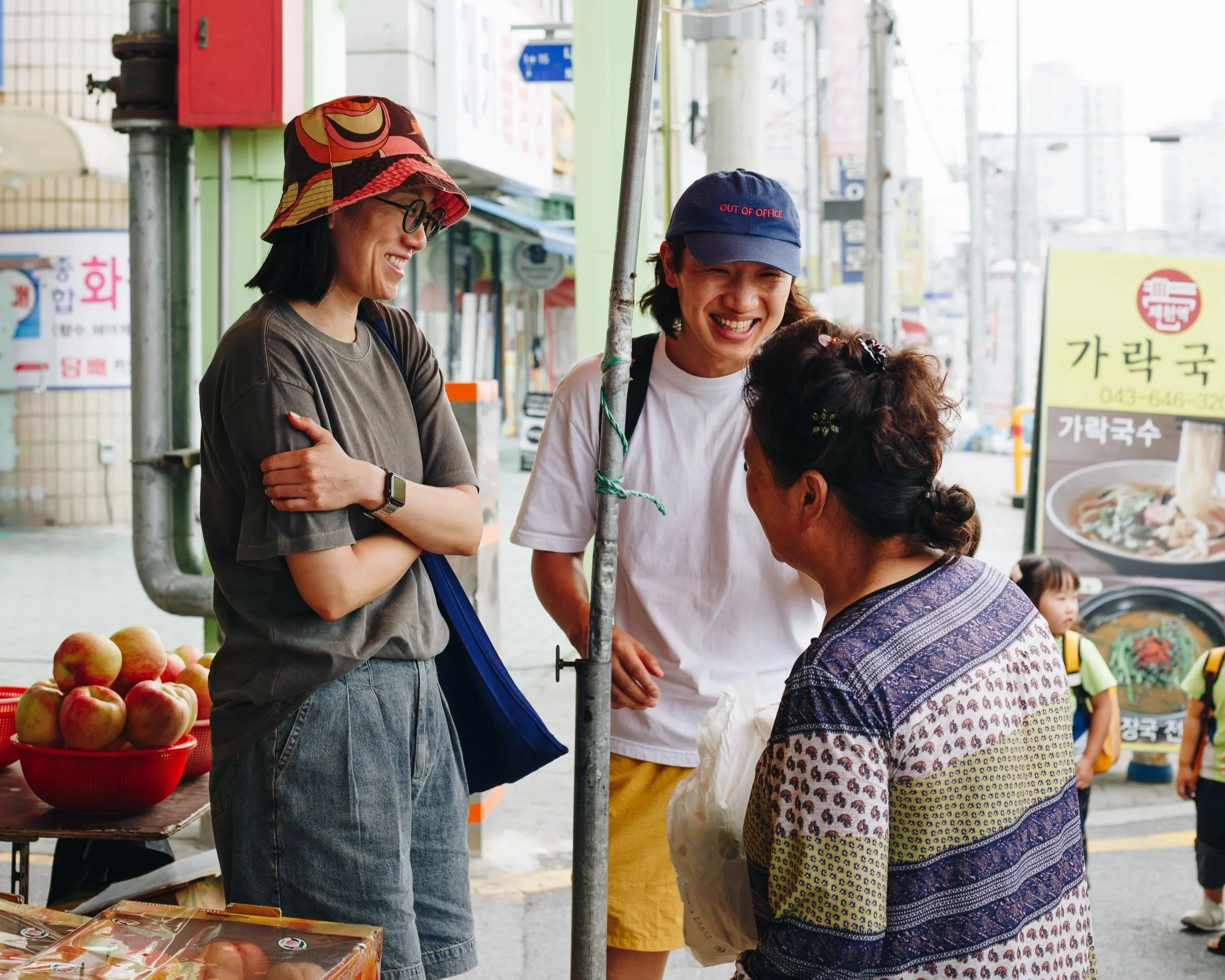
If you want to understand Korea beyond what’s photographed, we’ll take you to places like this. Slowly. With time to listen. With room to notice the hands that keep everyday life moving. Check our Korea Discovery Tour and step into this living legacy.
Come hungry. Walk slowly. Because some places are meant to be felt, not just visited.
